
Pakistan’s maritime frontier requires a sophisticated digital calibration to ensure national security and economic integrity. Consequently, the federal government has finalized a strategic plan to deploy a state-of-the-art Vessel Monitoring System (VMS) across our coastal fishing fleet. This initiative aims to synchronize maritime surveillance while safeguarding the lives of thousands of fishermen operating in Sindh and Balochistan.
Digital Oversight: The VMS Deployment Strategy
The Pakistan Maritime Security Agency will oversee the integration process, ensuring every vessel undergoes formal registration before equipment installation. This structural overhaul focuses on approximately 10,000 fishing boats. In the initial phase, authorities will equip 4,000 boats from Sindh and 4,000 from Balochistan with these calibrated tracking units.
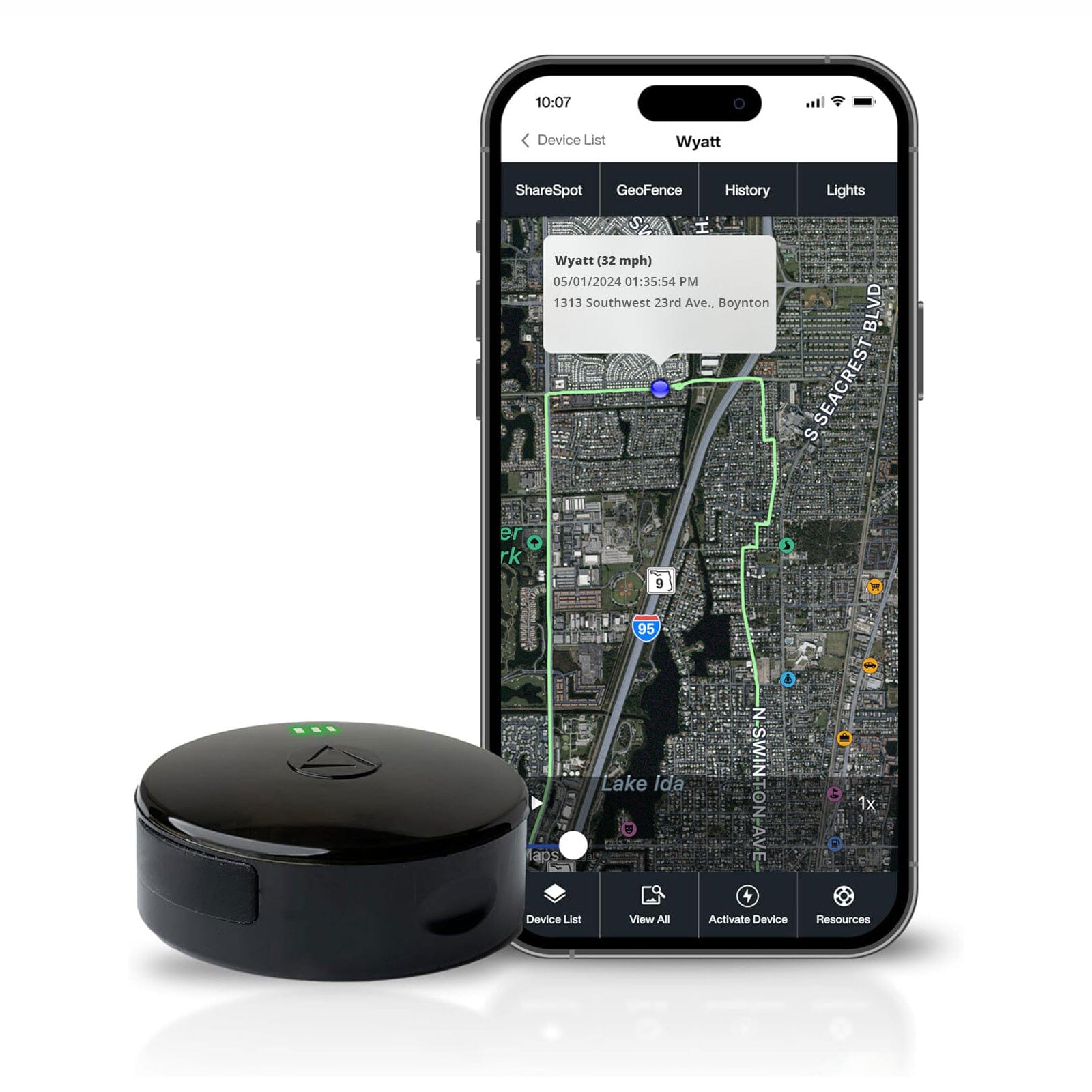
Specifically, the government will target vessels measuring 12 meters (39 feet) and above, as these ships handle long-distance sea travel. To catalyze this transition, the state will bear the full cost of each unit, ranging between Rs. 100,000 and Rs. 150,000. Furthermore, domestic manufacturers are producing these devices, boosting our local technological baseline.
Enhancing Tactical Response and Environmental Safety
The implementation of a Vessel Monitoring System allows authorities to track hundreds of vessels in real-time. This precision enables the identification of suspicious ships and improves emergency response times during maritime accidents. Additionally, the system serves as a deterrent against smuggling, drug trafficking, and human movement across illegal channels.
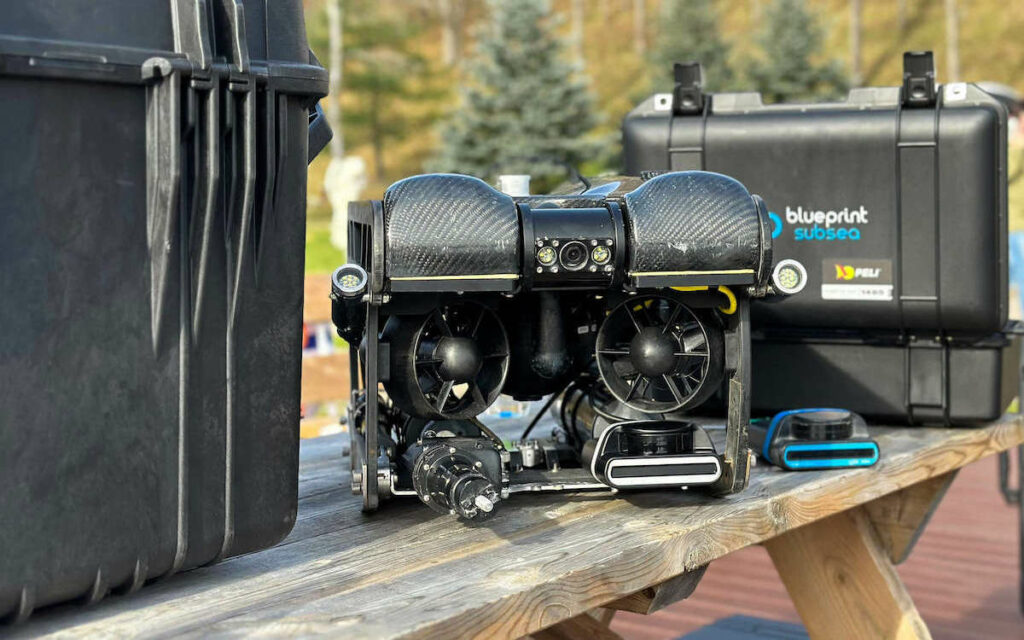
Law enforcement will also use this data to prevent the use of banned nets and curb illegal fishing practices. Under the new regulations, any vessel exceeding 15 meters cannot legally enter deep-sea territory without an active VMS. This mandate ensures that nighttime operations from illegal jetties no longer bypass our maritime security net.
The Translation (Clear Context)
VMS functions as a satellite-based communication hub that records a boat’s speed, direction, and exact coordinates. Think of it as a professional-grade GPS specifically designed for the harsh conditions of the open ocean. By translating raw movement data into actionable intelligence, the government can enforce fisheries laws while maintaining a digital shield over our territorial waters.
The Socio-Economic Impact
For the average Pakistani fisherman, this system provides a critical safety baseline. Each unit features an emergency SOS button, allowing distressed crews to summon immediate rescue assistance. Beyond safety, the reduction in illegal fishing protects the livelihoods of honest professionals by ensuring sustainable fish stocks for future generations. For the urban household, this means a more secure and regulated seafood supply chain.

The “Forward Path” (Opinion)
This development represents a significant Momentum Shift for Pakistan’s Blue Economy. By digitizing a previously opaque sector, we are moving from reactive patrolling to proactive maritime management. While the government is covering initial costs, the long-term success will depend on rigorous maintenance and fisherman cooperation. This is a foundational step toward a more efficient, secure, and technologically advanced maritime infrastructure.