
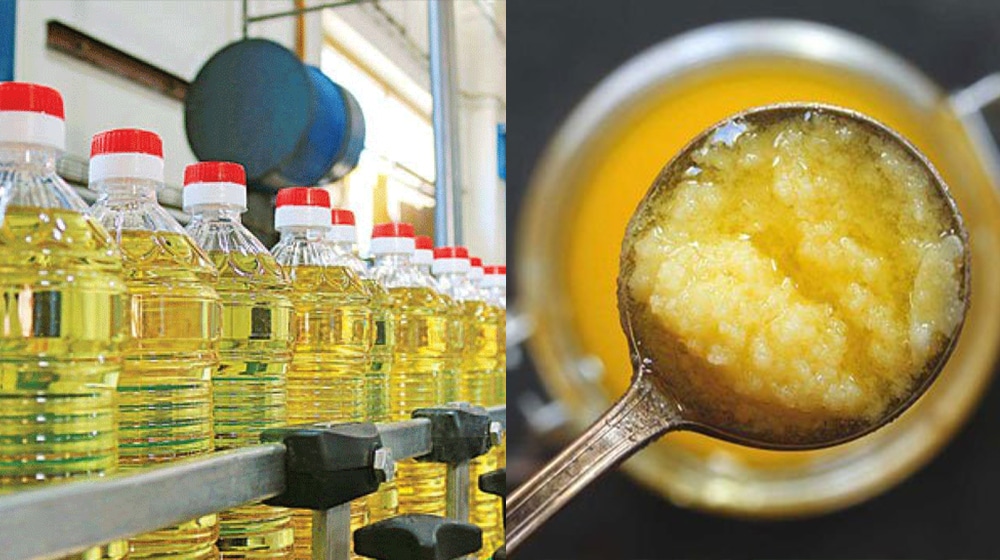
Pakistan’s economic framework faces a calibrated challenge as palm oil imports surged to an unprecedented $3.785 billion during the fiscal year 2026. This structural reliance on foreign commodities stems from a rising population and dwindling local oilseed yields. Consequently, the national exchequer must balance record import volumes of 3.482 million tonnes against a fragile foreign exchange reserve. Specifically, data from the Pakistan Bureau of Statistics indicates that volumes climbed from 3.214 million tonnes in the previous fiscal year.
The Translation: Decoding the Import Surge
The logic behind this spike is a classic supply-demand imbalance. While Pakistan’s population continues its rapid expansion, the domestic output of crucial crops like cottonseed has reached a baseline low. Consequently, the country’s total edible oil consumption has swelled to 4.8 million tonnes, up from four million just five years ago. The average price per tonne also edged higher, reaching $1,078. This indicates that Pakistan is not only buying more but is also paying a premium on the global market due to external inflationary pressures.
The Socio-Economic Impact: Household Budget Realities
For the average Pakistani citizen, these macro-economic figures translate into direct pressure on the kitchen table. The “Big Picture” shows a systematic increase in the cost of basic nutrition. Specifically, a five-litre container of cooking oil now commands a price between Rs. 2,975 and Rs. 3,110. This is a sharp increase from the previous year’s range of Rs. 2,800 to Rs. 3,000. Furthermore, the shift in palm oil imports costs forces families to reallocate funds from education or healthcare to cover basic dietary fats.
The Forward Path: A Stabilization Move Under Pressure
This development represents a Stabilization Move rather than a momentum shift. The current strategy focuses on meeting immediate demand through imports rather than catalyzing domestic production. To achieve true progress, Pakistan requires a structural pivot toward an integrated edible oil policy. Until local oilseed cultivation is incentivized, the national economy remains vulnerable to global price volatility and currency devaluation.
Policy Gaps and Tax Complications
The industry currently grapples with a lack of long-term vision. Notably, no formal edible oil policy has been established since independence. Adding to this complexity, the Federal Board of Revenue (FBR) has introduced a new sales tax mechanism. By shifting tax collection to the Maximum Retail Price (MRP) stage, the government effectively increases the tax burden. Industry experts warn that this precision move will likely push retail prices up by another Rs. 10 to Rs. 15 per kilogram in the coming months.
- Cooking Oil (5L): Rs. 2,975 – Rs. 3,110
- Ghee (2.5kg Tin): Rs. 1,500 – Rs. 1,565
- Ghee (1kg Pack): Rs. 590 – Rs. 610








