
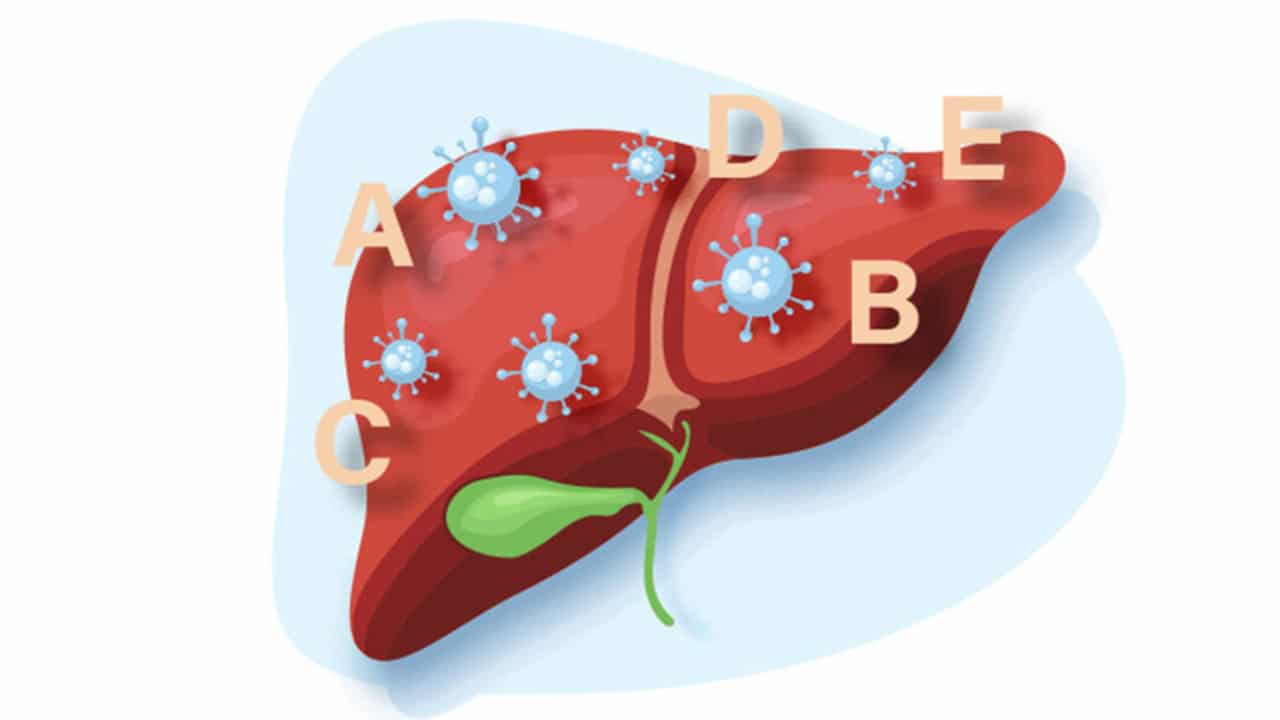
Pakistan now carries the world’s fifth-highest burden of viral hepatitis cases in Pakistan, according to recent data from the Pakistan Medical Association (PMA). This metric represents a critical systemic challenge as the nation observes World Hepatitis Day. Approximately 13.8 million citizens currently live with the disease, including 10 million chronic Hepatitis C patients and 3.8 million Hepatitis B patients. Consequently, this health crisis requires immediate structural intervention to prevent further escalation.
Analyzing the Statistical Baseline of Viral Burden
Detailed prevalence data highlights the scale of the healthcare crisis. National prevalence for Hepatitis C fluctuates between 4.8% and 7.5%, while Hepatitis B affects 1.1% to 1.7% of the population. Furthermore, complications such as liver cirrhosis and liver cancer claim more than 37,000 lives annually. These figures establish a baseline for the urgent need for calibrated medical reforms and widespread screening protocols.
Structural Catalysts for Hepatitis Cases in Pakistan
PMA Secretary General Dr. Abdul Ghafoor Shoro identified several precision-level failures that drive new infections. The data suggests that systemic lapses in infection control are the primary catalysts for transmission. Key causes include:
- Unsafe medical injections and the reuse of syringes.
- Unscreened blood transfusions within unregulated facilities.
- Unsterilized equipment in both medical and informal settings.
- Poor infection control protocols in high-density healthcare environments.
The Situation Room Analysis
The Translation
In “Next Gen” clarity, the hepatitis crisis is not merely a biological issue; it is a systemic breach in our medical infrastructure. When we talk about “viral burden,” we are describing the failure of sterilization and regulatory oversight. The virus spreads because our basic safety protocols—like syringe disposal and blood screening—lack the necessary precision and enforcement.
The Socio-Economic Impact
This crisis directly threatens the productivity of the Pakistani workforce. For a typical household, a hepatitis diagnosis leads to catastrophic out-of-pocket expenses and a loss of breadwinner income. Students and young professionals face long-term health hurdles that reduce national human capital efficiency. In rural areas, the lack of equitable treatment access creates a cycle of poverty and chronic illness.
The Forward Path
This development represents a Stabilization Move requiring an immediate shift toward momentum. President Asif Zardari and National Assembly Speaker Sardar Ayaz Sadiq have called for stricter regulation. However, progress depends on the execution of large-scale awareness campaigns and the mandatory enforcement of unsafe medical practice bans. We must transition from reactive treatment to a proactive, prevention-first model.








