
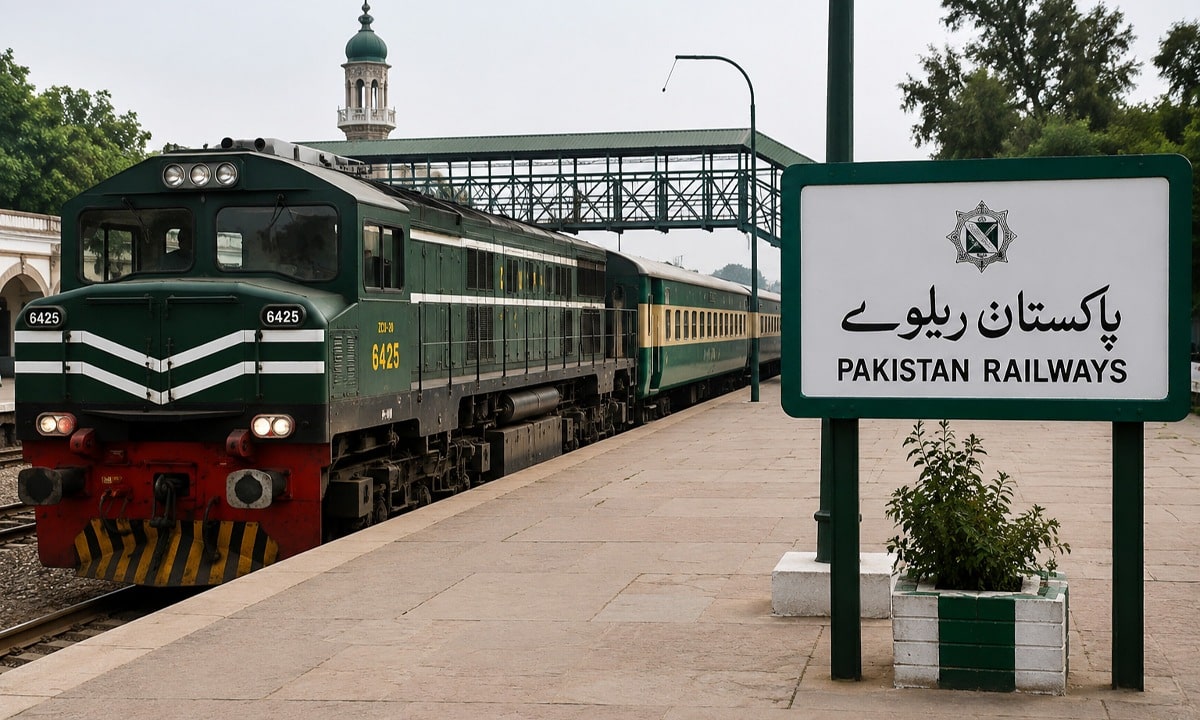
Efficient national logistics serve as the pulse of a developing economy, yet global energy fluctuations often demand a calibrated response. The recent Pakistan Railways suspension of eight passenger trains marks a strategic move to address mounting financial pressures. Consequently, the state-run operator is prioritizing systemic stability over underutilized service routes as fuel expenses reach new peaks.
The Scope of Service Recalibration
Pakistan Railways officially paused operations for several high-profile and regional services. Specifically, the list of affected trains includes the Bolan Mail, Khushhal Khan Khattak Express, Mehran Express, and the Chaman Passenger service. Furthermore, the Marvi Express, Saman Sarkar Express, Moenjodaro Express, and Ravi Express have also entered a temporary hiatus.
A spokesperson for the operator confirmed that the decision stems from escalating fuel prices and a significant decline in passenger traffic across these specific corridors. This precision-based approach aims to mitigate the financial drain caused by running near-empty coaches at record-high diesel rates.
The Logic Behind the Pakistan Railways Suspension
Recent petroleum price hikes have placed an unprecedented baseline of debt on the national railway infrastructure. In contrast to maintaining fixed schedules, the administration has opted for a strategic pause to review its operational efficiency. Railway sources indicate that the cost-to-revenue ratio on these eight routes became unsustainable during the last fiscal quarter.
The Translation (Clear Context)
In technical terms, Pakistan Railways is managing a “capacity-demand mismatch.” When the cost of diesel required to run a train exceeds the revenue generated by ticket sales, the system suffers a net loss that compromises the entire network’s maintenance budget. By suspending these eight services, the administration is effectively “cauterizing” financial leaks to protect the core operations of higher-density routes. This is not a permanent closure but a tactical withdrawal until the economic environment stabilizes.
The Socio-Economic Impact
This development directly impacts the mobility of thousands of Pakistanis, particularly in rural and semi-urban areas where the Marvi Express or Moenjodaro Express serve as affordable lifelines. For students and low-income professionals, the reduction in train availability likely forces a shift to more expensive private road transport. This shift increases the monthly household expenditure on transit, further straining the disposable income of citizens already battling inflationary pressures.
The Forward Path (Opinion)
This move represents a necessary Stabilization Move. While a reduction in service is never ideal for national progress, continuing to run empty, high-cost trains is an architectural failure that would eventually lead to a total system collapse. Pakistan Railways must now focus on digitalizing passenger demand tracking and optimizing fuel procurement to ensure these services return with a more resilient financial model. Precision, not persistence, will be the catalyst for the railway’s recovery.








