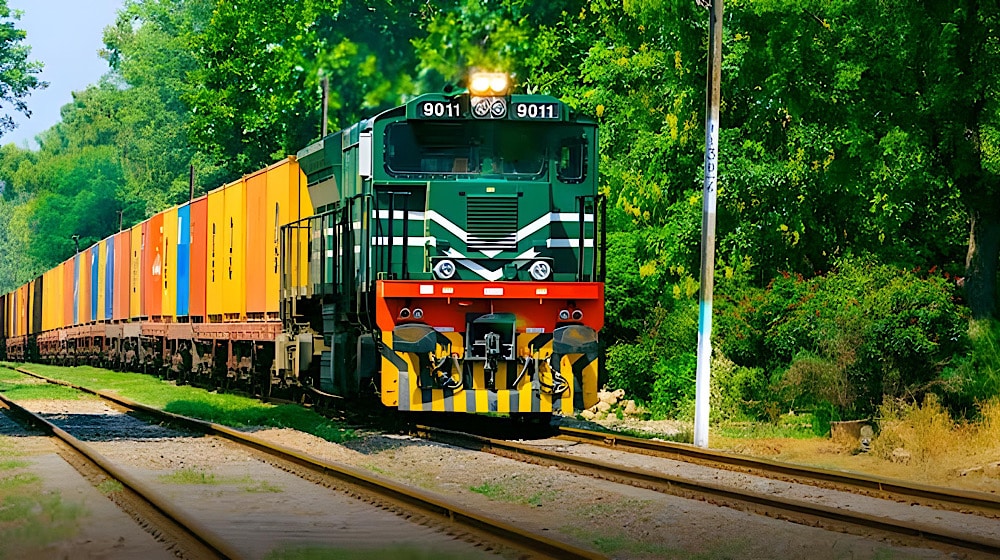
The structural integrity of national transit systems depends on a precision-calibrated balance between service availability and fiscal sustainability. Consequently, the recent Pakistan Railways suspension of eight passenger train services marks a strategic move to mitigate the impact of escalating diesel prices and low passenger turnout. By halting these specific routes, authorities aim to control rising operational expenses and stabilize the department’s baseline financial health under current constraints.
The Situation Room: Analysis of the Pakistan Railways Suspension
The decision impacts several critical transit corridors across the country. Specifically, the services now on hiatus include:
- Bolan Mail and Khushhal Khan Khattak Express
- Mehran Express and Chaman Passenger
- Marvi Express and Samn Sarkar Express
- Monjodaro Express and Ravi Express
Officials have confirmed that these measures are temporary. However, the resumption of these services remains contingent upon a significant improvement in economic conditions and passenger density.
The Translation: Contextualizing the Logistics Pivot
In technical terms, this is a strategic recalibration of assets. When fuel costs rise and “load factor” (passenger turnout) drops below a specific threshold, every kilometer traveled generates a net loss. Instead of depleting the national exchequer, Pakistan Railways is “mothballing” inefficient routes to preserve the functionality of the primary network. This is not a failure of service but a calculated preservation of resources to prevent a total system collapse.
The Socio-Economic Impact: Mobility and the Citizen
How does this change the daily life of a Pakistani citizen? For students and professionals in rural hubs like Chaman or those relying on the Samn Sarkar Express, the Pakistan Railways suspension creates an immediate mobility gap. Consequently, these citizens must transition to private road transport, which is often more expensive and less efficient. This shift increases the financial burden on middle-income households, potentially slowing down regional economic exchange in the short term.
The Forward Path: Architect’s Opinion
This development represents a Stabilization Move rather than a momentum shift. While the suspension of services is never ideal for national growth, continuing to operate at a deficit would be structurally irresponsible. The “Forward Path” requires an aggressive transition toward railway electrification and a modernized ticketing system to boost turnout. For now, this pause is a necessary catalyst for future efficiency.