
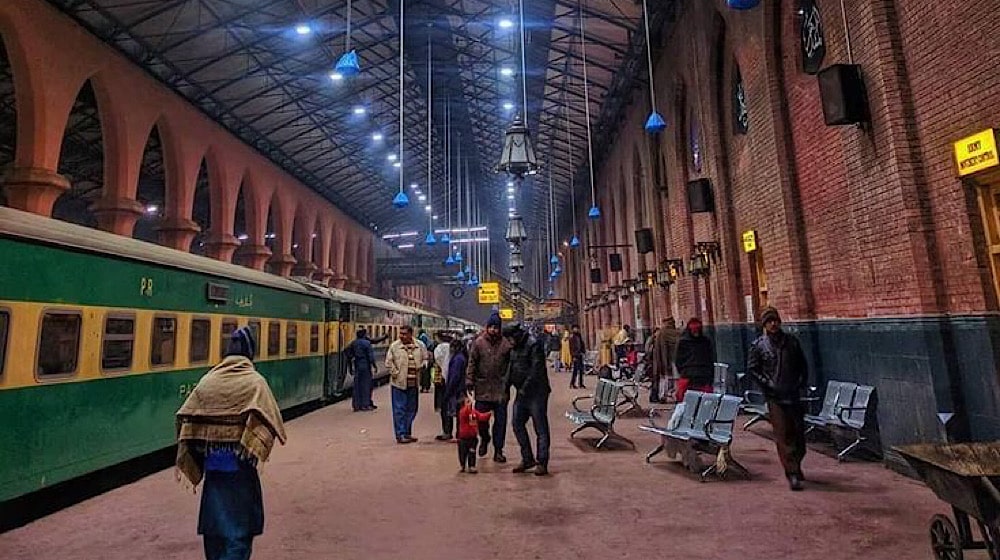
The structural integrity of national transport logistics requires rigorous security protocols to ensure long-term system efficiency. Pakistan Railways has calibrated its security baseline by implementing new railway filming restrictions across all infrastructure zones and operational areas. This strategic move aims to safeguard critical assets from unauthorized documentation while streamlining access for professional media entities.
Structural Protocols: Managing Railway Filming Restrictions
The new regulations explicitly prohibit journalists, vloggers, and social media influencers from entering restricted zones without prior written authorization. Specifically, individuals must obtain official approval from the Railway Headquarters before engaging in any photography or videography. Furthermore, the department has warned that any employee facilitating unauthorized access will face immediate disciplinary action under internal codes of conduct.
Compliance and Legal Framework
Consequently, the administration has established a zero-tolerance policy for violations of these directives. Any individual found filming without a permit will face legal proceedings under the relevant laws of Pakistan. This precision-focused approach ensures that all public interactions with railway infrastructure remain within a secure and monitored legal framework.
The Translation: Decoding the New Policy
In simple terms, Pakistan Railways is transitioning from an open-access model to a “Permit-First” digital policy. While it may seem like a hurdle for content creators, the logic is rooted in operational security. By centralizing approval at the Headquarters, the department can track who is documenting their infrastructure and for what purpose. This eliminates the ambiguity often associated with “restricted areas” and sets a clear baseline for legal creative work.
The Socio-Economic Impact: What Citizens Need to Know
For the average Pakistani citizen, these changes imply a more disciplined environment at transit hubs. Students and hobbyist photographers must now exercise caution to avoid accidental legal entanglements. However, for professionals, this creates a standardized path to gain legitimate access, potentially improving the quality of documented content. In the long run, this move could reduce security risks that lead to operational delays, indirectly benefiting the millions of passengers who rely on the rail network daily.
The Forward Path: Strategic Momentum Shift
This development represents a Momentum Shift toward modernization. While critics might view it as bureaucratic friction, the decision to formalize photography protocols is a catalyst for professionalizing the digital landscape. As Pakistan seeks to upgrade its rail infrastructure via international partnerships, establishing high-precision security standards is a necessary baseline. The success of this policy will depend on the efficiency of the permit issuance process at the Railway Headquarters.








