
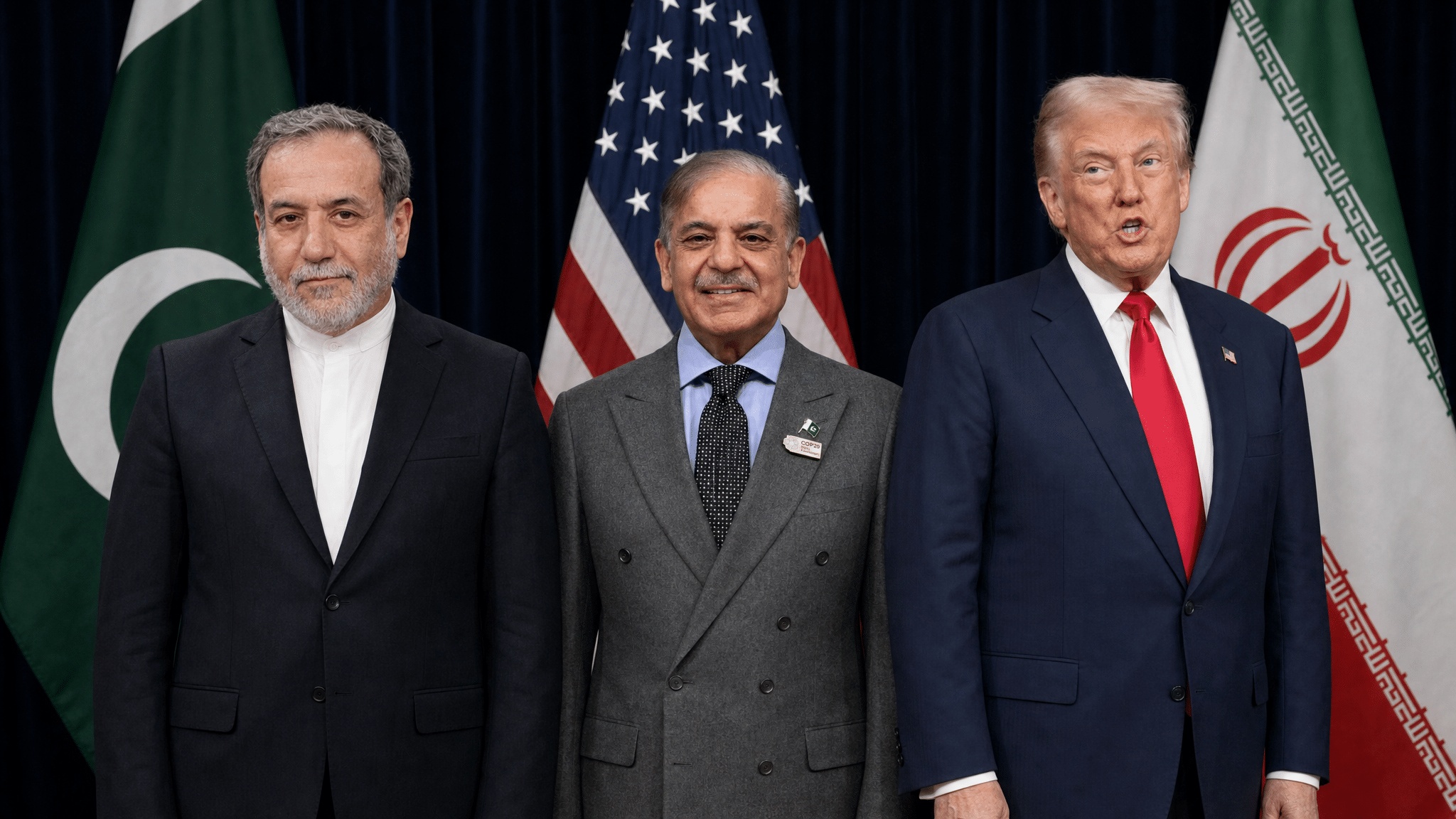
Pakistan has calibrated a historic US-Iran Peace agreement, signaling a massive structural shift in global energy security and regional stability. Following intensive negotiations led by Islamabad, Prime Minister Shehbaz Sharif confirmed the cessation of all military operations between Washington and Tehran. This diplomatic catalyst immediately triggered a sharp decline in global crude prices, as markets responded to the restoration of maritime corridors.
Economic Dividends of the US-Iran Peace
Global markets reacted with precision to the diplomatic breakthrough. Brent crude dropped approximately 4 percent to $83.81 per barrel, while the US benchmark fell nearly 5 percent. Consequently, analysts expect a cooling effect on global inflation. The agreement specifically focuses on reopening the Strait of Hormuz, a waterway that facilitates one-fifth of the world’s oil and liquefied natural gas shipments.

President Donald Trump welcomed the development with a strategic mandate to “let the oil flow.” Furthermore, the Iranian Deputy Foreign Minister Kazem Gharibabadi confirmed the finalization of the terms. The official signing ceremony will take place in Switzerland on June 19, marking a baseline for future regional cooperation involving partners like Qatar, Saudi Arabia, and Türkiye.
The Situation Room: Analysis
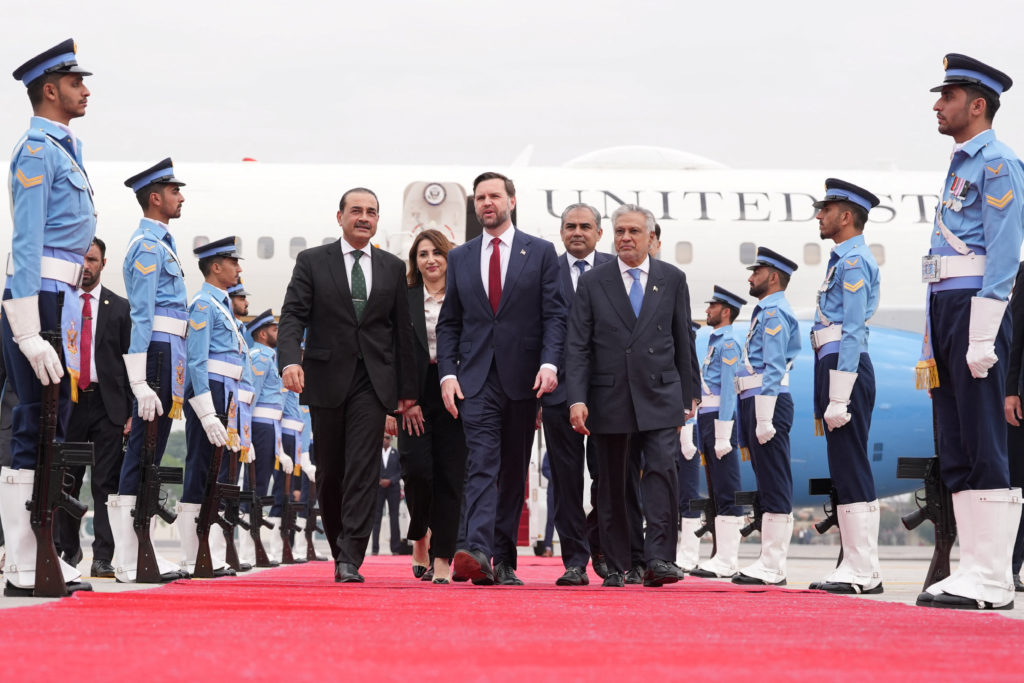
The Translation
This deal represents a “de-escalation architecture” designed to remove the threat of kinetic warfare in the Middle East. While the agreement focuses primarily on military cessation and shipping security, it deliberately excludes Iran’s nuclear program to ensure a rapid baseline for peace. Essentially, Pakistan has engineered a “security-first” framework that prioritizes economic flow over long-term ideological disputes.
The Socio-Economic Impact
For the average Pakistani citizen, this development is a catalyst for economic relief. Lower global oil prices directly translate to reduced transport and energy costs at home. Structurally, Pakistan’s role as a mediator elevates its diplomatic standing, potentially unlocking better trade terms and financial stability. Students and professionals will likely see a more stable PKR as the regional “war premium” on commodities evaporates.
The Forward Path
We categorize this as a Momentum Shift. Pakistan has demonstrated a high-precision capability to navigate complex geopolitical friction. However, the path forward requires logistical vigilance. Reopening the Strait of Hormuz involves mine removal and security clearances. While the “Big Picture” is optimistic, the implementation phase remains the critical variable for sustained market stability.








