

The Digital Frontier: A Call for Infrastructure Stability
National economic resilience in the 21st century depends entirely on the precision and reliability of digital infrastructure. The Pakistan Freelancers Association (PAFLA) is currently demanding the immediate implementation of satellite internet solutions to safeguard the nation’s rapidly expanding digital economy. This strategic shift aims to mitigate the damage caused by frequent undersea cable faults and systemic internet disruptions.
According to the Asian Development Bank (ADB), Pakistan now hosts over 2.3 million freelancers. This workforce has contributed an impressive $800 million in foreign exchange, making it a critical catalyst for national growth. Consequently, the ongoing connectivity issues threaten not just individual livelihoods but the structural integrity of Pakistan’s global economic standing.
Integrating Satellite Internet Solutions as a Redundancy Layer
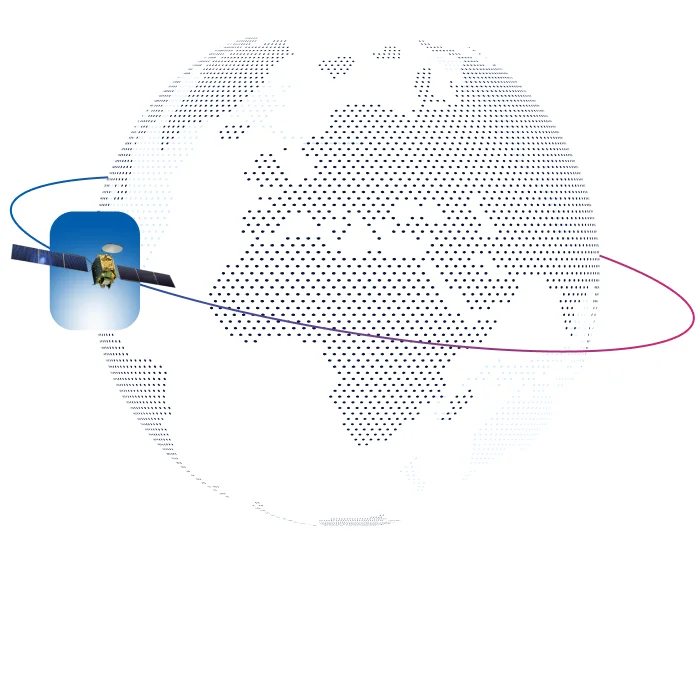
PAFLA Chairman Ibrahim Amin emphasized that current internet speeds are calibrated far below the requirements of international competition. Slow connectivity directly impacts the productivity of gig workers and content creators. Specifically, these delays harm the global ranking and professional reputation of Pakistani service providers on international platforms.
Furthermore, the combination of power outages and internet instability has created a baseline of volatility for ride-hailing and food delivery personnel. In contrast to traditional broadband, introducing satellite internet solutions would provide a necessary redundancy layer. These systems ensure service continuity during submarine cable repairs, allowing the digital workforce to remain operational regardless of physical infrastructure failures.
The Situation Room Analysis
The Translation (Clear Context)
The logic behind PAFLA’s demand is simple: diversification. Currently, Pakistan’s internet is overly dependent on a few undersea cables. When these fail, the entire system degrades. Satellite internet bypasses these physical bottlenecks by utilizing orbital networks, creating a “failsafe” mechanism that ensures the data flow never stops.
The Socio-Economic Impact
This development affects the daily life of millions. For a student in a rural district or a professional in an urban center, internet access is now a utility as vital as electricity. Implementing satellite internet solutions would stabilize the income of 2.3 million households. It ensures that Pakistani professionals do not lose contracts due to circumstances beyond their control, thereby increasing the net inflow of foreign currency into the local economy.
The Forward Path (Opinion)
.webp)
This initiative represents a significant Momentum Shift. Moving toward satellite redundancy and the future rollout of 5G technology is not merely an upgrade; it is a prerequisite for national survival in the global remote-work market. While government training programs have successfully expanded the talent pool, that talent cannot perform without a stabilized digital baseline.
- 2.3 Million: Total number of freelancers in Pakistan.
- $800 Million: Recent foreign exchange contribution from the freelance sector.
- Satellite Redundancy: The proposed solution for undersea cable disruptions.
- 5G Integration: The next phase for increasing national productivity.








