
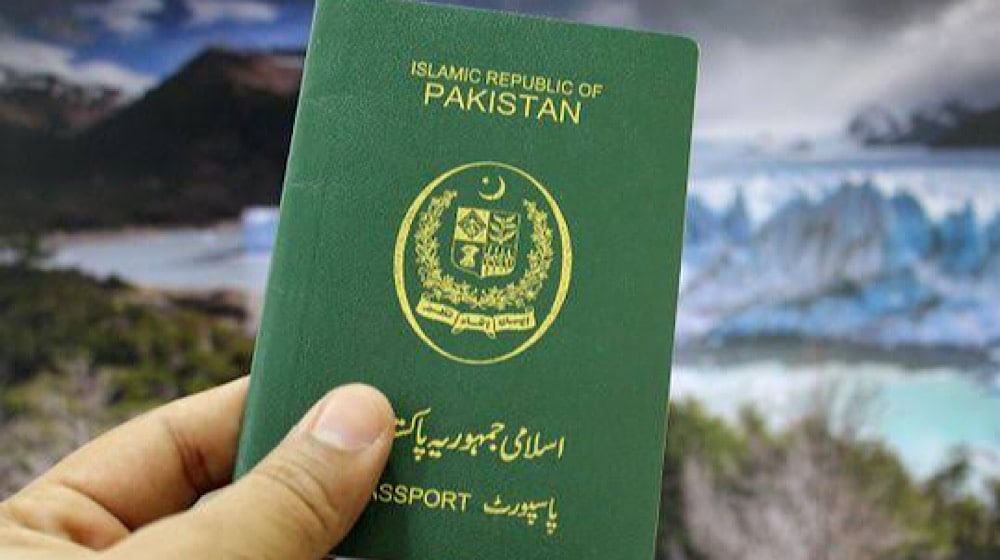
The Embassy of Pakistan in Oman has calibrated a new structural framework for Passport Fees in Oman, effective May 1, 2026. This strategic update introduces a tiered pricing model based on validity and urgency while implementing rigorous financial penalties for document loss. Consequently, this initiative aims to enhance administrative precision and foster greater citizen accountability regarding official travel credentials.
Decoding the Strategic Revision of Passport Fees in Oman
Under the newly established baseline, the embassy has diversified its fee schedule to accommodate varying citizen needs. For a 5-year passport with 36 pages, the calibrated cost is 12 Omani Riyals for normal processing. In contrast, those requiring urgent facilitation must pay 19 Omani Riyals. Furthermore, the fee for a 10-year passport with 36 pages begins at 17 Omani Riyals, providing a long-term solution for frequent travelers.
The Translation: Analyzing the Systemic Logic
While the raw data presents simple fee adjustments, the underlying logic reflects a push for systemic efficiency. The embassy is shifting from a static pricing model to a value-based system where urgency and validity dictate the baseline costs. In addition, the aggressive penalty structure for lost passports serves as a critical deterrent. For a first-time loss, the applicant must pay double the original fee; however, a second occurrence triggers a penalty of four times the original cost. This mechanism ensures that the integrity of the Pakistani travel document remains a high-priority responsibility for every resident.
The Socio-Economic Impact: What This Means for Citizens
For the Pakistani diaspora in Oman, these changes necessitate a more disciplined approach to personal document management. The updated Passport Fees in Oman directly impact household budgets, especially for those navigating the 2026 economic landscape. However, the move toward longer validity options (10-year passports) effectively reduces the long-term logistical burden on families. By discouraging negligence through financial penalties, the embassy incentivizes citizens to safeguard their legal status, ultimately stabilizing their residency security within the host nation.

The Forward Path: A Stabilization Move
This development represents a Stabilization Move rather than a radical momentum shift. Although the increased penalties may feel punitive, they function as structural catalysts designed to modernize the consular services ecosystem. To maintain true progress, the embassy should ensure that this increased revenue translates directly into accelerated processing times and enhanced digital accessibility. Precision in document security is the first step toward a more seamless digital frontier for overseas Pakistanis.








