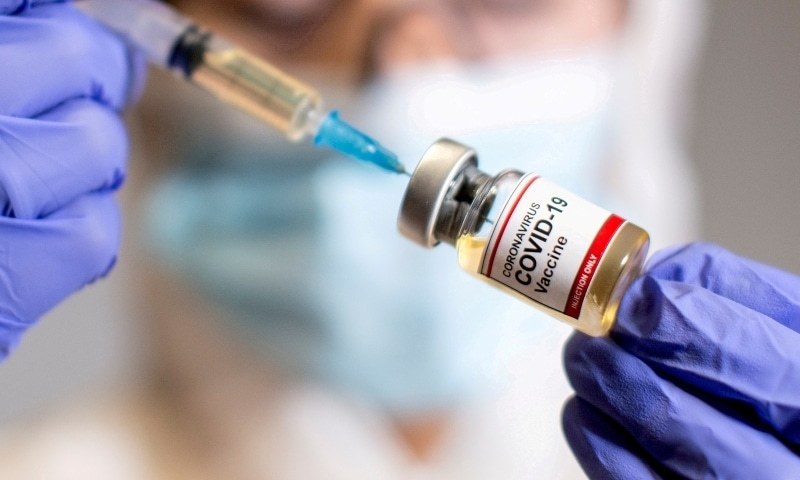
The strategic approval of the National Vaccine Policy marks a definitive calibration of Pakistan’s healthcare infrastructure toward long-term self-reliance. This architectural shift, sanctioned by the federal cabinet under Prime Minister Shehbaz Sharif, establishes a baseline for indigenous vaccine manufacturing. By prioritizing domestic production, Pakistan aims to secure its biological frontier and stabilize the national health ecosystem against global supply chain disruptions.
A Calibrated Framework for Health Sovereignty
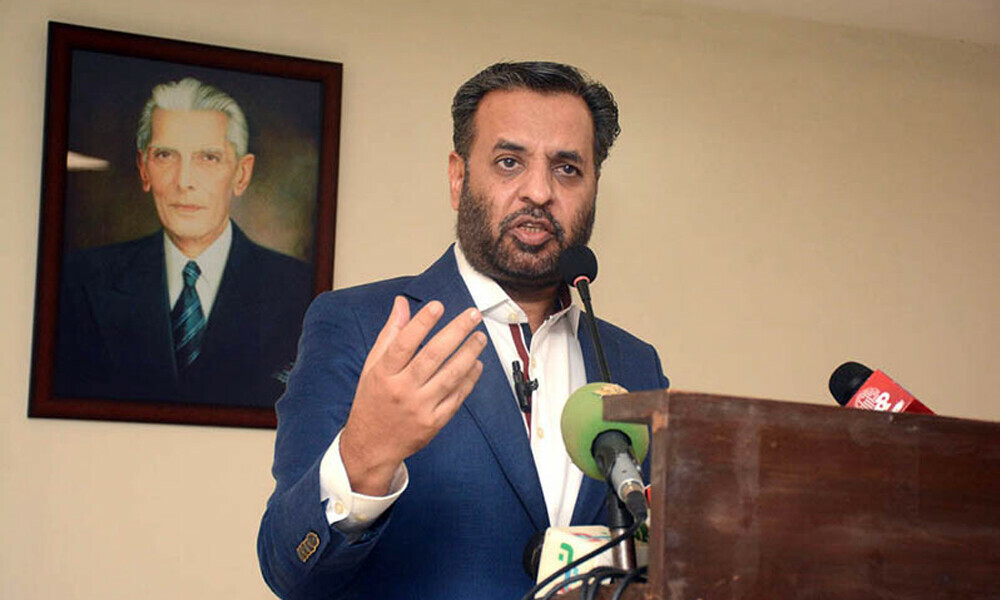
Federal Minister for National Health, Syed Mustafa Kamal, characterized the policy as a landmark development for the state. Historically, Pakistan lacked a unified framework to govern vaccine research, development, and mass production. Consequently, the new National Vaccine Policy integrates clinical standards with industrial incentives to foster a sustainable biotechnology sector. This precision-driven approach resulted from extensive consultations with systemic stakeholders and regulatory experts.
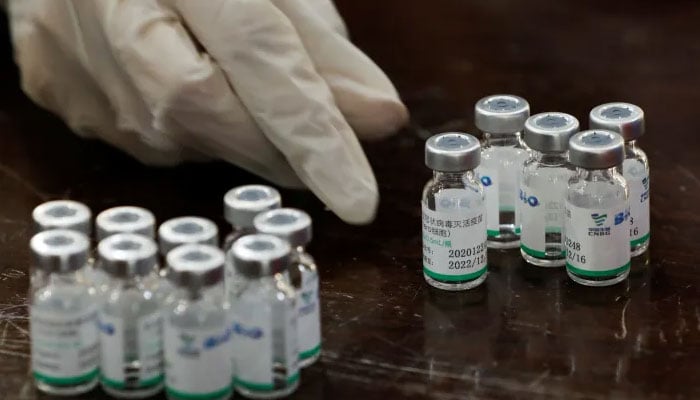
The Ministry of Health acknowledged the collaborative efforts of the Drug Regulatory Authority of Pakistan (DRAP) and health leadership in shaping this document. Furthermore, the cabinet approved a specialized DRAP committee to oversee vaccine pricing and quality benchmarks. This oversight mechanism ensures that local manufacturing adheres to global safety protocols while remaining economically viable for the public sector.
Strategic Goals of the National Vaccine Policy
- Indigenous Production: Developing high-tech facilities to manufacture life-saving vaccines within Pakistan.
- Foreign Exchange Conservation: Reducing the fiscal burden caused by the heavy reliance on imported medical supplies.
- Regulatory Precision: Establishing clear price controls and quality assurance through DRAP.
- Global Alignment: Leveraging World Health Organization (WHO) benchmarks to save lives through preventative immunization.
The Situation Room Analysis
The Translation (Clear Context)
In technical terms, the National Vaccine Policy transitions Pakistan from a “recipient state” to a “producer state.” Previously, the country relied on international procurement, which often faced delays and currency fluctuation risks. This policy acts as a technical blueprint that allows local pharmaceutical companies to invest in expensive vaccine infrastructure with the confidence of government regulatory support.

The Socio-Economic Impact
For the average Pakistani citizen, this policy serves as a catalyst for affordable healthcare. Local production naturally lowers the cost of immunizations, making them more accessible to rural and low-income households. Economically, this initiative fosters a new STEM-driven job market. We expect an increased demand for biotechnologists, clinical researchers, and specialized laboratory technicians, creating a precision-focused workforce that can compete on a global scale.

The Forward Path (Opinion)
This development represents a significant Momentum Shift. While the policy approval is a victory, the success of this initiative depends on the execution of the DRAP pricing committee and the speed of technology transfer. If implemented with precision, Pakistan will not only protect its population from over 30 preventable diseases but will also emerge as a regional hub for vaccine exports.