

Precision Performance: The J-10CE Fighter Jet Victory
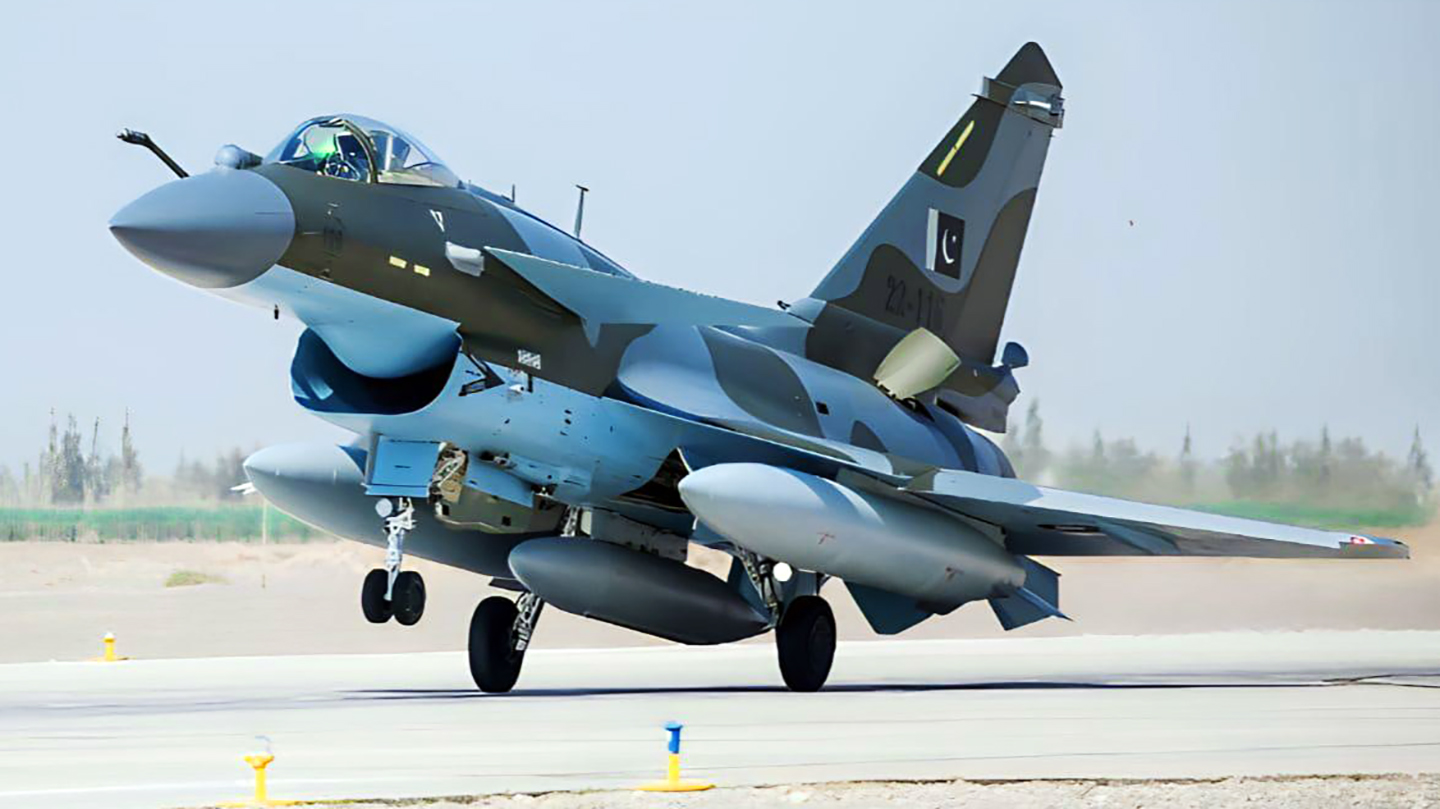
The J-10CE fighter jet recently demonstrated calibrated aerial dominance by reportedly securing a 9-0 victory against the Eurofighter Typhoon in mock air combat. This strategic outcome highlights a pivotal shift in regional air superiority dynamics. Specifically, the Chinese-made aircraft defeated the European multirole fighter across nine simulated engagements during the 2024 exercises. Consequently, the J-10CE claimed five victories in close-range dogfights and four in beyond-visual-range (BVR) scenarios.
Although official broadcasters kept the participant list confidential, regional analysts linked the drills to the joint exercises held in Qatar in early 2024. During these maneuvers, Pakistan’s specialized aviation units deployed their advanced fleet against Qatar’s high-tier European assets. This performance provides a rare, data-driven glimpse into the structural efficiency of 4.5-generation systems when matched against established Western platforms.
Engineering Superiority and Strategic Integration
The Chengdu Aircraft Corporation originally developed the J-10 as a third-generation platform, but the 2017 J-10C variant evolved into a sophisticated 4.5-generation asset. This upgraded version features an Active Electronically Scanned Array (AESA) radar and high-precision air-to-air missiles like the PL-15. Furthermore, the export-ready J-10CE fighter jet entered the global market in 2020, with Pakistan serving as the primary international operator. Currently, the Pakistan Air Force has inducted a significant portion of its 36-jet acquisition to bolster national defense architecture.
In contrast, the Eurofighter Typhoon represents a collaborative engineering effort from the UK, Germany, Italy, and Spain. While the Typhoon remains a formidable global competitor, the reported outcome of these mock engagements may shift market perceptions. Defense analysts suggest these results will likely catalyze increased interest in the J-10CE, potentially applying structural pressure on European defense exports in the coming decade.
The Situation Room Analysis
The Translation: Technical Parity Decoded
The 9-0 scoreline is not merely a number; it represents the closing technological gap between Eastern and Western aerospace engineering. The J-10CE utilizes a “sensor-fused” approach, where its AESA radar and PL-15 missiles create a lethal baseline for beyond-visual-range combat. By winning four BVR encounters, the J-10CE proved that its digital “eyes” and long-range “reach” are now calibrated to compete with, and exceed, the Eurofighter’s current combat logic.
The Socio-Economic Impact: Defense Efficiency
For the average Pakistani citizen, this development translates to “Security Efficiency.” By acquiring the J-10CE fighter jet—a platform that can outperform more expensive European alternatives—the state achieves higher defensive output per rupee spent. This strategic procurement ensures that the national sky remains protected without the astronomical costs associated with Western maintenance contracts, potentially freeing up fiscal space for other critical infrastructure projects.
The Forward Path: A Momentum Shift
This development represents a clear Momentum Shift in global aviation. The era where Western jets held an undisputed psychological and technical edge is transitioning into a multipolar reality. As Pakistan continues to integrate these systems, the baseline for regional stability evolves. We view this as a catalyst for future indigenous development, using the J-10CE as a technological bridge toward next-generation stealth capabilities.








