The Punjab government has calibrated a significant structural shift in national healthcare by announcing the inauguration of the Nawaz Sharif Institute of Cancer Treatment and Research on July 31, 2026. This facility represents the first specialized public sector cancer hospital in Pakistan designed to offer high-precision, free medical care to citizens regardless of their economic baseline. Consequently, this development marks a transition from fragmented care to a centralized, state-funded oncology framework.
A Strategic Benchmark for Public Sector Cancer Care
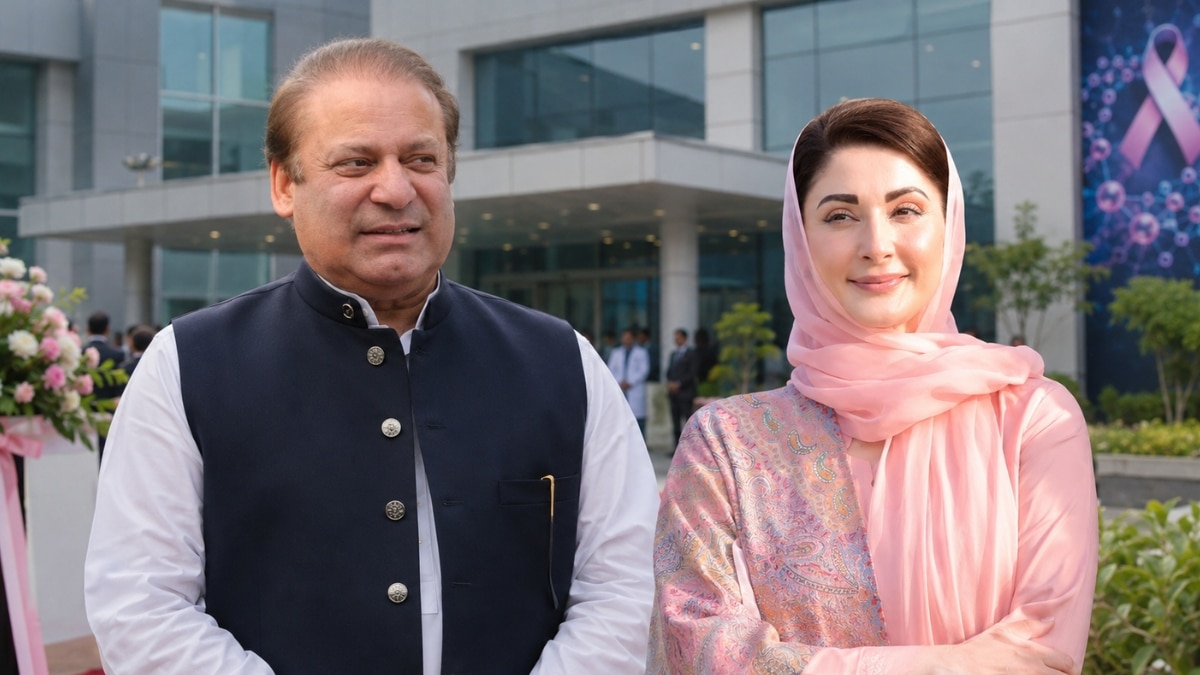
Chief Minister Maryam Nawaz recently confirmed that construction on Packages A and B of the project will conclude by the end of July 2026. Located strategically in Valencia Town, Lahore, the institute ensures accessibility via the Lahore Ring Road and major motorway networks. Furthermore, the 915-bed facility is projected to cost approximately Rs. 75 billion, representing a massive fiscal commitment to long-term health stability.

Integrated Diagnostic and Pediatric Services
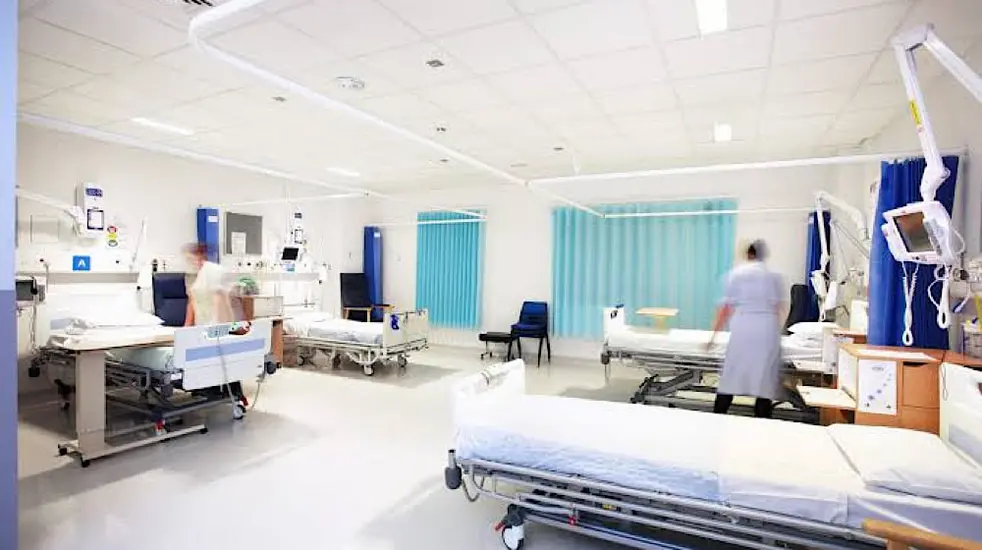
Unlike traditional clinics, this public sector cancer hospital integrates diagnostic, chemotherapy, and radiology services within a single campus. The architectural plan includes:
- Ten specialized radiation therapy bunkers for precision oncology.
- Pediatric oncology wings tailored for younger patients.
- Bone marrow treatment centers and intensive care units.
- A 30-bed emergency department and specialized hospice facilities.
Digital Infrastructure and Talent Acquisition
The government is currently recruiting clinical specialists in radiation oncology and administrative professionals to staff the institute. Significantly, the hospital will operate using a paperless, digital management system. This approach is intended to maximize operational efficiency and maintain a transparent record-keeping baseline for all patients.

The Situation Room: Analysis
The Translation (Clear Context)
In technical terms, this project moves Pakistan toward a “single-payer” model for oncology. By consolidating diagnostic and palliative care on one campus, the government eliminates the logistical “friction” that often causes cancer patients to abandon treatment. The “paperless” system isn’t just about saving trees; it is a strategic move to use data analytics for tracking treatment success rates across different demographics.
The Socio-Economic Impact
For the average Pakistani household, a cancer diagnosis is often a catalyst for total financial collapse. This institute removes that threat by offering free treatment even for stage three and stage four cases. By providing access to patients from all provinces, the hospital serves as a national safety net, potentially lifting the burden of medical debt from thousands of families annually.
The Forward Path (Opinion)
This development is a definitive Momentum Shift. While building the structure is a stabilization move, the commitment to “free treatment for all stages” and the integration of a digital-first system represents a modernized leap in public service delivery. If the recruitment of high-tier specialists matches the physical infrastructure, this institute will set the baseline for future regional healthcare excellence.