
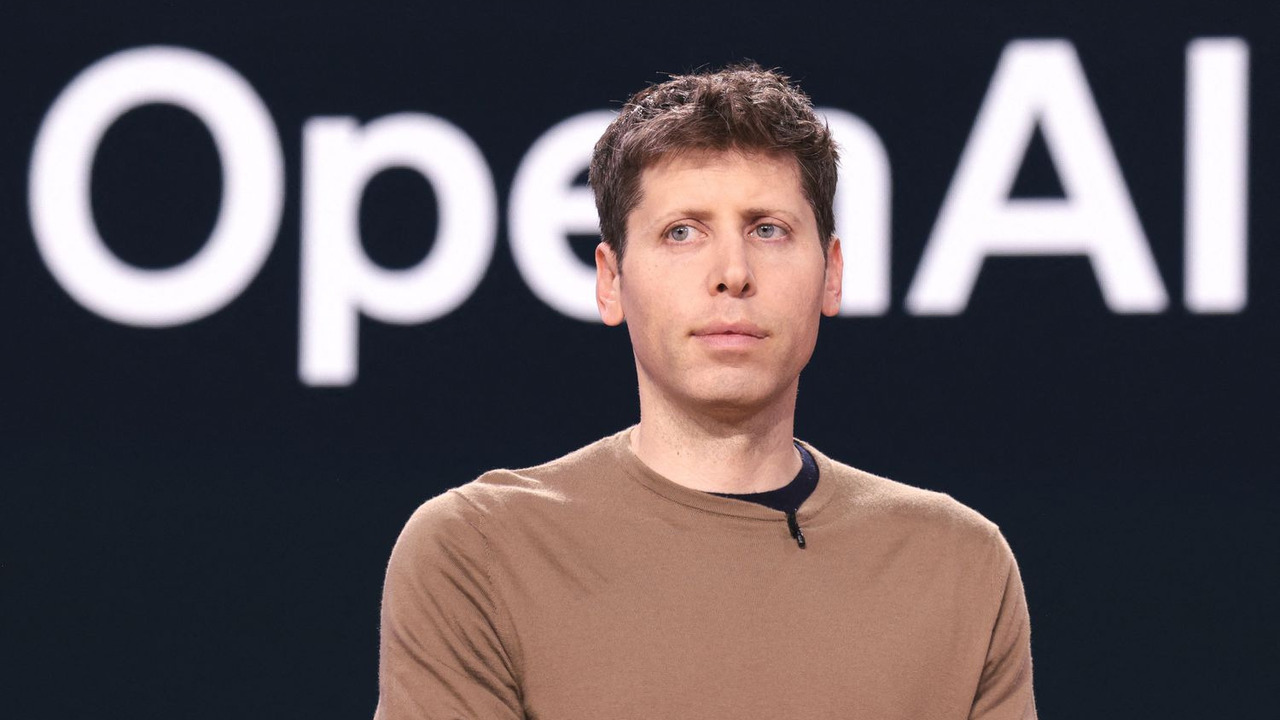
OpenAI has officially executed its OpenAI IPO filing, submitting confidential documentation to transition into a public entity. This calibrated move marks a structural milestone for the artificial intelligence sector. While the company maintains discretion regarding share pricing and volume, this filing serves as a catalyst for immediate market recalibration. Consequently, early investors may soon witness a significant liquidity event as the organization prepares for the public spotlight.
The Silicon Race: Calibrating the AI Market
The timing of this filing suggests a strategic response to heightening industry pressure. OpenAI’s primary competitor, Anthropic, recently signaled its own intentions to enter the public markets. Simultaneously, the tech sector anticipates the imminent debut of SpaceX. Together, these listings could inject hundreds of billions of dollars into the economy, allowing retail investors to participate in high-growth technology cycles. However, the public market will rigorously test whether these multi-billion dollar valuations align with sustainable revenue models.

Revenue Engineering Beyond ChatGPT
OpenAI has methodically diversified its income streams to fortify its financial baseline. Beyond the standard subscription model, the company launched a precision-targeted $8 tier and integrated an advertising framework. Internal projections suggest that these initiatives will drive the subscriber base to 122 million users within the current fiscal year. Furthermore, OpenAI aims to establish advertising as its primary revenue driver by 2030, reducing its reliance on direct consumer subscriptions. The development of AI-driven web browsers and hardware products further demonstrates a commitment to a holistic ecosystem.
Risk Mitigation and Structural Challenges
Transitioning to a public entity requires OpenAI to navigate complex legal and operational landscapes. Despite a recent legal victory against Elon Musk, the company faces ongoing scrutiny regarding the societal impact of its models. Specifically, lawsuits alleging harms related to AI-generated content remain a point of concern. Additionally, the memory of the 2023 leadership volatility serves as a reminder of the internal pressures that public shareholders will monitor. OpenAI must now demonstrate that its operational governance is as robust as its technological innovation.
The Situation Room Analysis
The Translation: Decoding Confidential Filings
A “confidential” OpenAI IPO filing allows the company to communicate with the SEC and refine its financial disclosures without exposing sensitive data to competitors immediately. This strategy provides OpenAI the flexibility to choose the optimal market window while maintaining tactical secrecy. In “Next Gen” terms, this is a calibrated reconnaissance mission before a full-scale market offensive.
The Socio-Economic Impact: What This Means for Pakistan
For the Pakistani tech ecosystem, this move signals a democratization of AI investment opportunities. As these giants go public, the availability of detailed financial data and operational benchmarks will help local startups calibrate their own business models. Furthermore, increased global competition will likely drive down the costs of API access, empowering Pakistani developers and students to build more sophisticated, localized AI solutions for the domestic market.
The Forward Path: A Momentum Shift
We categorize this development as a Momentum Shift. Moving from a private, venture-backed structure to a public corporation forces a level of fiscal discipline and transparency that accelerates industry maturity. OpenAI is no longer just a research lab; it is becoming a foundational utility of the digital age. This transition is essential for scaling the infrastructure required to achieve AGI (Artificial General Intelligence) on a global scale.








