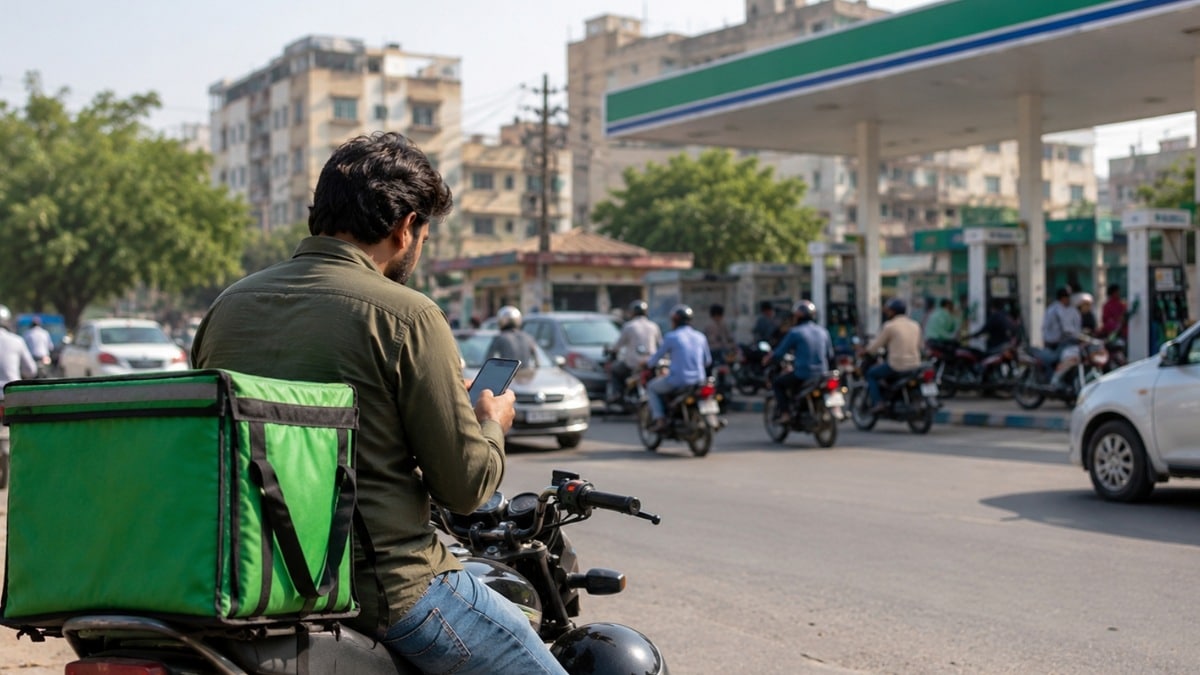
The structural integrity of Pakistan’s gig economy relies on the equilibrium between operational costs and net earnings. Consequently, the recent marginal petrol price reduction has failed to provide the necessary fiscal baseline for thousands of online bike riders. While the government implemented a Rs. 4 per liter cut, the transport sector maintains that this adjustment is insufficient to offset the compounding pressure of inflation.
The Economic Strain of Fuel Volatility
Ride-hailing and delivery professionals currently allocate nearly 50% of their daily revenue to fuel procurement. For instance, a rider generating Rs. 1,500 in daily gross revenue frequently spends Rs. 750 on petrol alone. This high expenditure ratio leaves minimal capital for household maintenance or emergency savings. Precision in fuel pricing is no longer just a policy metric; it is a survival requirement for the urban workforce.

The Translation: Breaking Down the Logic
The demand for a petrol price reduction to Rs. 250 per liter represents a strategic baseline for profitability. When fuel prices remain elevated, the gig economy faces a “diminishing returns” trap. Riders work longer hours in extreme heat, yet their take-home pay remains stagnant. The current Rs. 4 cut serves as a minor stabilizer but does not address the underlying structural deficit in rider earnings.
The Socio-Economic Impact: Daily Life in Pakistan
This financial squeeze directly impacts the micro-economics of Pakistani households. High fuel costs force delivery workers to deprioritize essential spending, such as education or healthcare, to keep their vehicles operational. Furthermore, as transportation costs remain high, the price of goods delivered to the end consumer also stays inflated. Relief in petrol prices would effectively act as a catalyst for increased consumer spending and improved quality of life for the labor force.

The Forward Path: A Momentum Shift
In our expert view, the current situation represents a Stabilization Move rather than a Momentum Shift. While any decrease is welcome, the government must explore more aggressive measures or subsidize fuel specifically for registered gig workers to ensure sector sustainability. Moreover, the long-term solution lies in a calibrated transition to electric mobility. Until then, a significant petrol price reduction remains the only immediate tool to prevent the collapse of the delivery and ride-hailing ecosystem.