

The emergence of the OnePlus Watch 4 represents a strategic shift in wearable hardware, aligning precision engineering with the high-durability demands of the modern workforce. This device, recently detailed on the official OnePlus portal, integrates advanced materials with a refined software ecosystem. Consequently, it establishes a new baseline for what Pakistani professionals should expect from their digital companions.
Engineering Resilience: The OnePlus Watch 4 Chassis
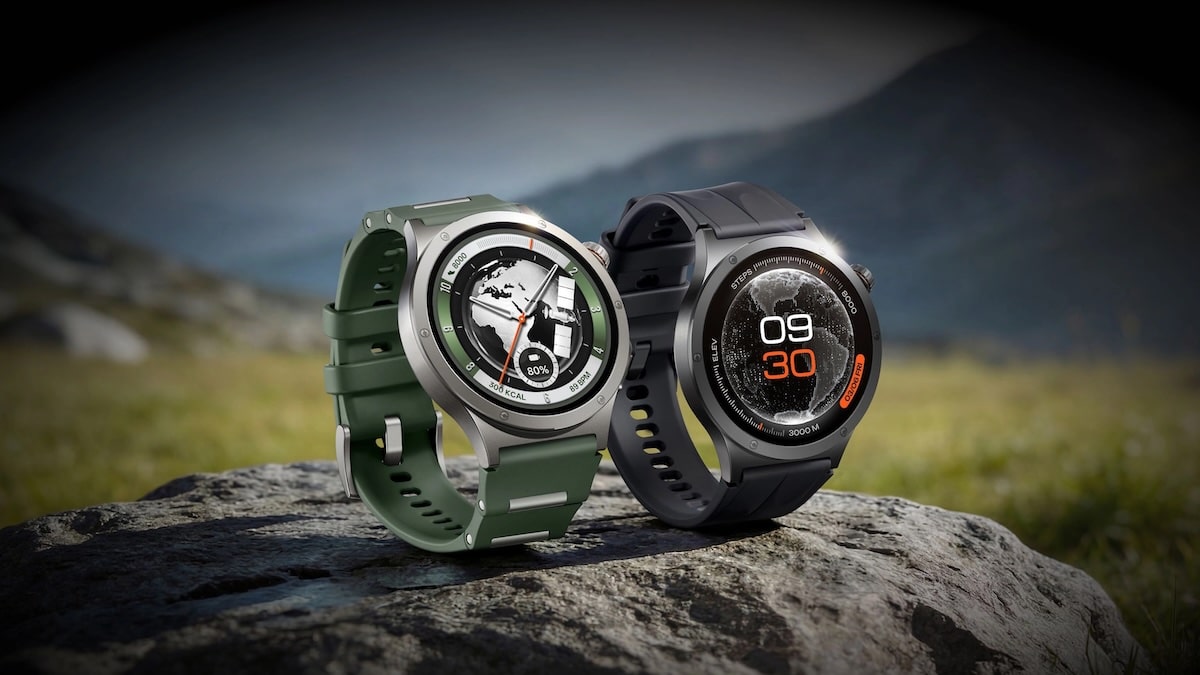
OnePlus constructed the OnePlus Watch 4 using an all-titanium case, a decision that elevates structural integrity while significantly reducing mass. Available in Evergreen and Midnight Titanium, the frame meets MIL-STD-810H military-grade standards. This calibration ensures the device survives extreme conditions, complemented by full seawater corrosion resistance and wet-hand touch functionality.

The visual interface features an LTPO OLED display protected by sapphire crystal. With a peak brightness of 3,000 nits, the screen remains legible under the intense Pakistani sun. Structurally, the watch weighs only 43 grams without the strap, maintaining a slim 11mm profile despite its robust internal architecture.
Dual-Processor Efficiency and Software Integration
To optimize system efficiency, the OnePlus Watch 4 utilizes a dual-chip architecture. The Qualcomm Snapdragon Wear W5 processor handles high-intensity tasks, while the BES2800 low-power chip manages background processes. This strategic hardware pairing supports 2GB of RAM and 32GB of storage, running the sophisticated Wear OS 6 with an OxygenOS Watch 8 overlay.
Connectivity remains a core priority, as the device supports dual-band GPS, Wi-Fi, and NFC for seamless Google Wallet payments. Furthermore, the 646 mAh battery provides up to 16 days of operational life in power-saver mode. Even under “smart mode” usage, the device delivers a calibrated five-day runtime, with a 75-minute rapid charge cycle.
The Translation: Technical Clarity
The move from stainless steel to a titanium chassis is not merely an aesthetic choice; it is a structural upgrade. Titanium offers a superior strength-to-weight ratio, meaning the watch is more durable yet lighter on the wrist than its predecessors. By integrating Wear OS 6, OnePlus ensures that users have access to a broader application ecosystem and more precise data synchronization than previous proprietary software allowed.
The Socio-Economic Impact: Modernizing the Pakistani Lifestyle
For the Pakistani student or professional, the OnePlus Watch 4 acts as a catalyst for productivity. The military-grade durability (MIL-STD-810H) is particularly relevant in local environments where dust, heat, and humidity often degrade standard electronics. Additionally, the inclusion of comprehensive health sensors—including wrist temperature and blood oxygen monitoring—empowers citizens to manage their well-being in a high-stress, fast-paced urban economy.

The Forward Path: Our Expert Opinion
This development represents a Momentum Shift for OnePlus. While the physical updates over the Watch 3 appear incremental, the transition to Wear OS 6 and the standardized use of titanium signal a move toward premium, long-term reliability. We believe this device will stabilize the brand’s position in the high-end wearable market, providing a precision-engineered alternative to traditional tech giants.








