

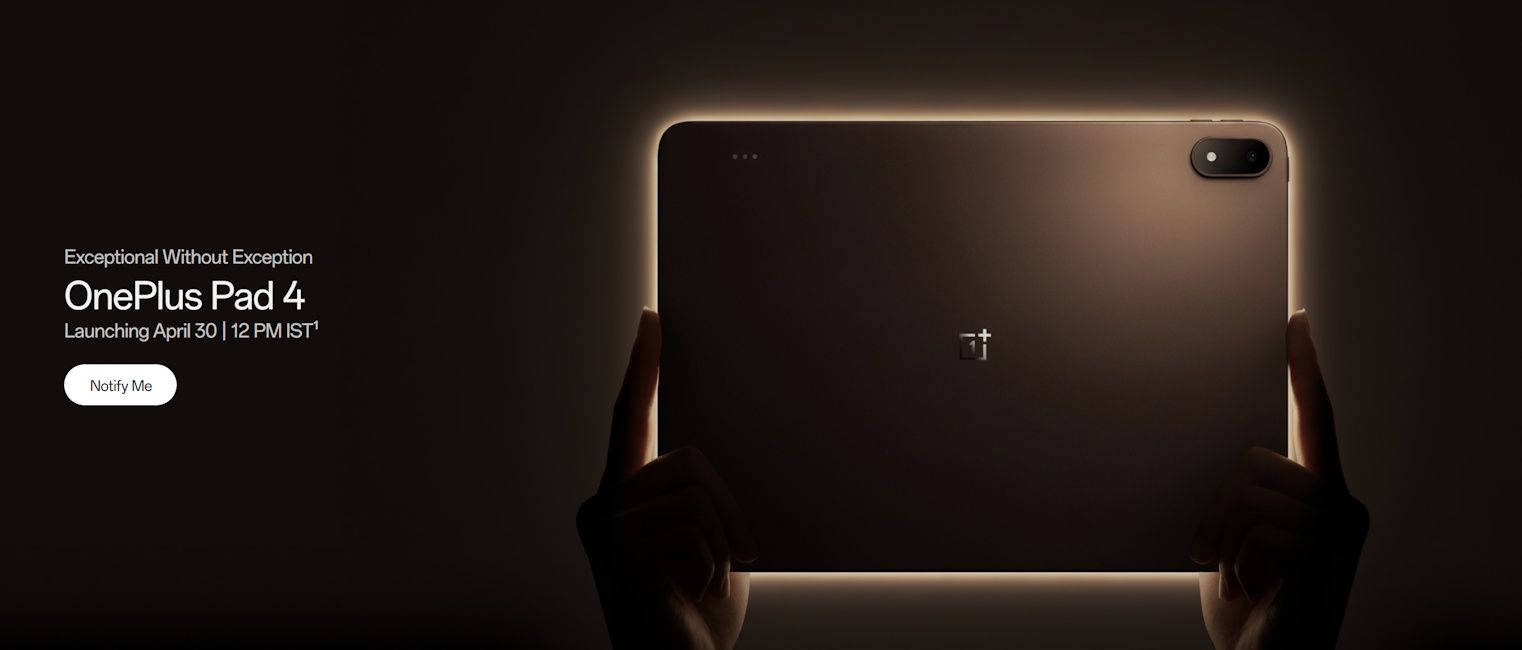
Technological infrastructure achieves peak efficiency through calibrated hardware integration. The upcoming launch of the OnePlus Pad 4 represents a strategic advancement in the mobile computing ecosystem. OnePlus has officially confirmed that this flagship device will debut on April 30 at 12 PM local time. This release aims to redefine the baseline for high-performance tablets in the region.
Display Architecture of the OnePlus Pad 4
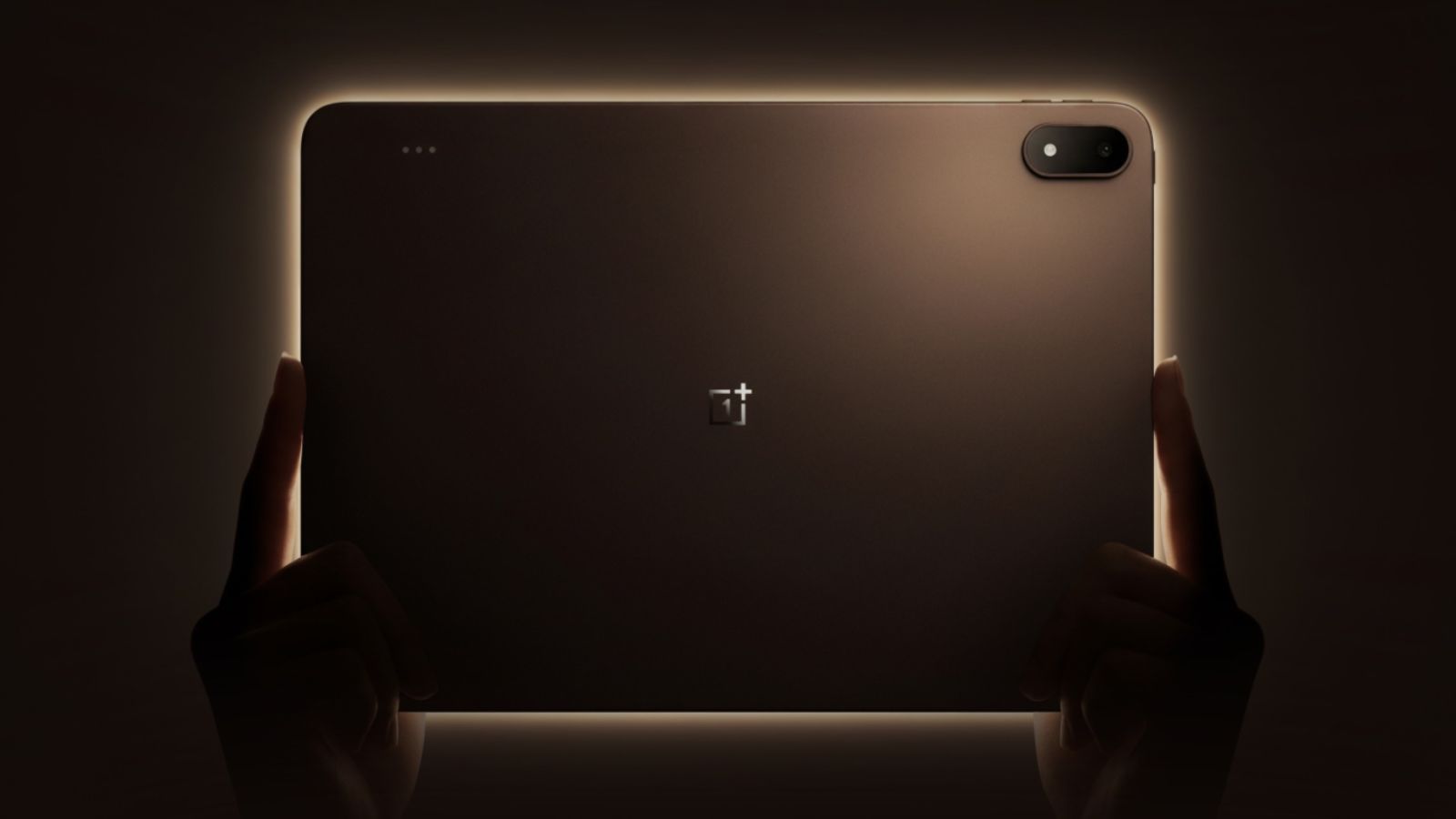
Precision visual output is a core component of this device’s structural design. The tablet features a 13.2-inch display with a 3.4K resolution of 3392 x 2400 pixels. Consequently, users experience superior clarity through a 315 ppi pixel density. Furthermore, the panel supports a 144Hz refresh rate and 1,000 nits high brightness mode, ensuring fluid motion and visibility under varied lighting conditions.
Color accuracy is another critical metric for this hardware. The screen utilizes 12-bit color depth, achieved through a strategic combination of 8-bit hardware and 4-bit Frame Rate Control (FRC). This configuration, paired with Dolby Vision support, creates a professional-grade canvas for both creators and consumers. The metal unibody design further enhances structural integrity, available in Dune Glow and Sage Mist finishes.
Calibrated Performance and Processing

The internal architecture of the OnePlus Pad 4 is built around the Snapdragon 8 Elite Gen 5 chipset. This processor serves as the catalyst for high-speed computation and multitasking. To support intensive workflows, the system includes up to 12GB of LPDDR5X RAM and 512GB of onboard storage. Consequently, the device handles complex applications with surgical precision while running the optimized OxygenOS software layer.
Energy Density and Audio Architecture
Sustainable power management is vital for mobile professionals. Specifically, the tablet integrates a massive 13,380mAh battery, calibrated for extended operational cycles. Users can minimize downtime through the 80W SuperVOOC fast charging system. Additionally, the audio subsystem consists of eight hi-fidelity speakers, providing an immersive acoustic profile that complements the high-resolution visual display.
The Translation: Contextual Insights
The 12-bit color depth mentioned is a sophisticated technical maneuver. While standard displays use 8-bit or 10-bit hardware, OnePlus uses 4-bit Frame Rate Control (FRC) to simulate higher color gradients. This allows the OnePlus Pad 4 to display over 68 billion colors without the extreme cost of a native 12-bit panel. Additionally, the move to a 3.4K resolution on a 13.2-inch screen creates a pixel density that rivals high-end laptops, effectively blurring the line between tablet and workstation.
The Socio-Economic Impact
How does this development change the daily life of a Pakistani citizen? For students and remote professionals in Pakistan, the introduction of high-efficiency tablets like the OnePlus Pad 4 facilitates a transition toward paperless education and decentralized work. The inclusion of the OnePlus Stylo Pro and Smart Keyboard accessories enables a mobile-first economic participation. By providing desktop-level power in a portable format, it lowers the barrier for freelancers in urban hubs like Karachi and Lahore to execute high-demand digital tasks anywhere.
The Forward Path: Expert Opinion
This development represents a Momentum Shift. OnePlus is not merely maintaining its product line; it is aggressively pushing the boundaries of what a tablet “baseline” should be. By integrating the Snapdragon 8 Elite Gen 5 and 80W charging, they are forcing the industry to prioritize performance over simple portability. This move signals a future where the tablet becomes the primary computing node for the modern digital architect.








