

The upcoming OnePlus 16 upgrades represent a calibrated leap in mobile hardware architecture, featuring a massive 9,000mAh battery and a precision-engineered 200MP camera system. Slated for an October release, this flagship aims to establish a new baseline for efficiency and endurance in the high-performance smartphone sector.
Architecture of Power: The 9,000mAh Benchmark
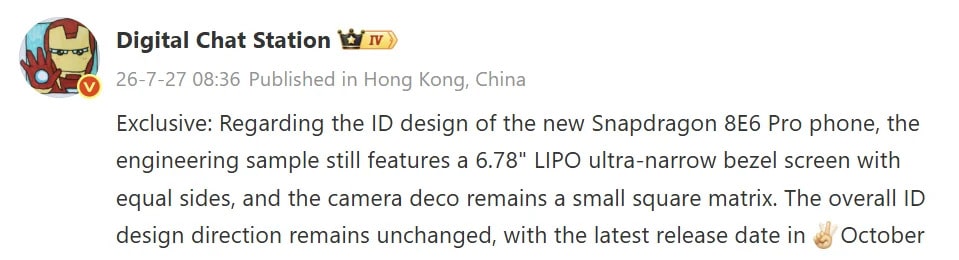
Data from tipster Digital Chat Station indicates that OnePlus is engineering a structural shift in energy density. The OnePlus 16 upgrades include a 9,000mAh battery, a significant expansion over the 7,300mAh unit found in its predecessor. Consequently, this development positions the device as a potential catalyst for long-cycle mobile productivity.
Furthermore, the charging infrastructure remains high-velocity. Reports indicate a baseline of 100W wired and 50W wireless charging, though some internal test cycles suggest a possible 120W calibration. This ensures that despite the massive capacity, downtime remains minimized for the end user.
Imaging Precision: The 200MP Integration
The visual hardware on the OnePlus 16 underwent a strategic overhaul. The rear module likely integrates a 200MP primary sensor, supported by 50MP ultrawide and 50MP periscope telephoto lenses. This configuration provides the precise optical resolution required for professional-grade mobile photography.
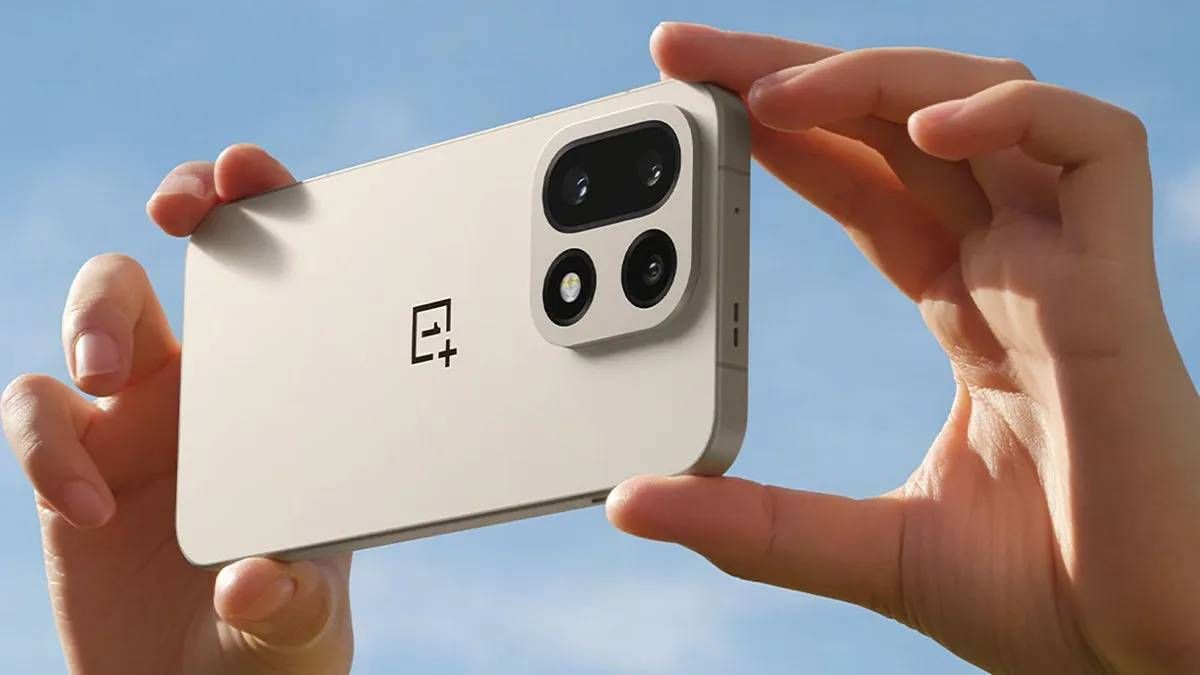
Interestingly, some engineering reports suggest OnePlus is testing the 200MP sensor within the periscope telephoto housing. This maneuver would allow for unprecedented zoom clarity. While the final hardware confirmation is pending, the focus on high-fidelity imaging is undeniable.
Compute Efficiency and Display Calibration
At the core of these OnePlus 16 upgrades is the upcoming Snapdragon 8 Elite Gen 6 Pro chipset. This processor serves as the central nervous system, driving the ColorOS 17 ecosystem built on Android 17. Moreover, the device features a 6.78-inch flat display utilizing LIPO packaging technology.

This LIPO technology enables sub-1mm bezels, maximizing the screen-to-body ratio. Additionally, the panel supports a 185Hz refresh rate, ensuring fluid visual transitions. These structural refinements maintain the compact design language while vastly expanding the functional display area.
The Translation: Contextual Logic
In technical terms, the transition to LIPO (Low-pressure Injection Pressure Overmolding) allows OnePlus to reduce the physical borders of the screen without compromising structural integrity. By integrating a 9,000mAh battery, OnePlus is likely utilizing new silicon-carbon electrode technology, which packs higher energy into a smaller footprint. This isn’t just a bigger battery; it is more efficient storage.
The Socio-Economic Impact
For the Pakistani professional and student, these OnePlus 16 upgrades address a critical pain point: energy reliability. In an environment where consistent power access can be variable, a 9,000mAh device acts as a stabilizing tool for digital work. Increased battery longevity reduces the “tethered” time for urban professionals and enhances the mobile learning capacity for students in rural areas where charging opportunities are infrequent.
The Forward Path: Strategic Analysis
The OnePlus 16 represents a definitive Momentum Shift. Rather than incremental aesthetic changes, the company is prioritizing foundational hardware endurance and compute power. This move forces the flagship market to reassess the baseline for battery capacity, potentially ending the era of the “single-day” smartphone. For Pakistan’s tech-savvy demographic, this is a transition from consumer electronics to essential productivity infrastructure.








