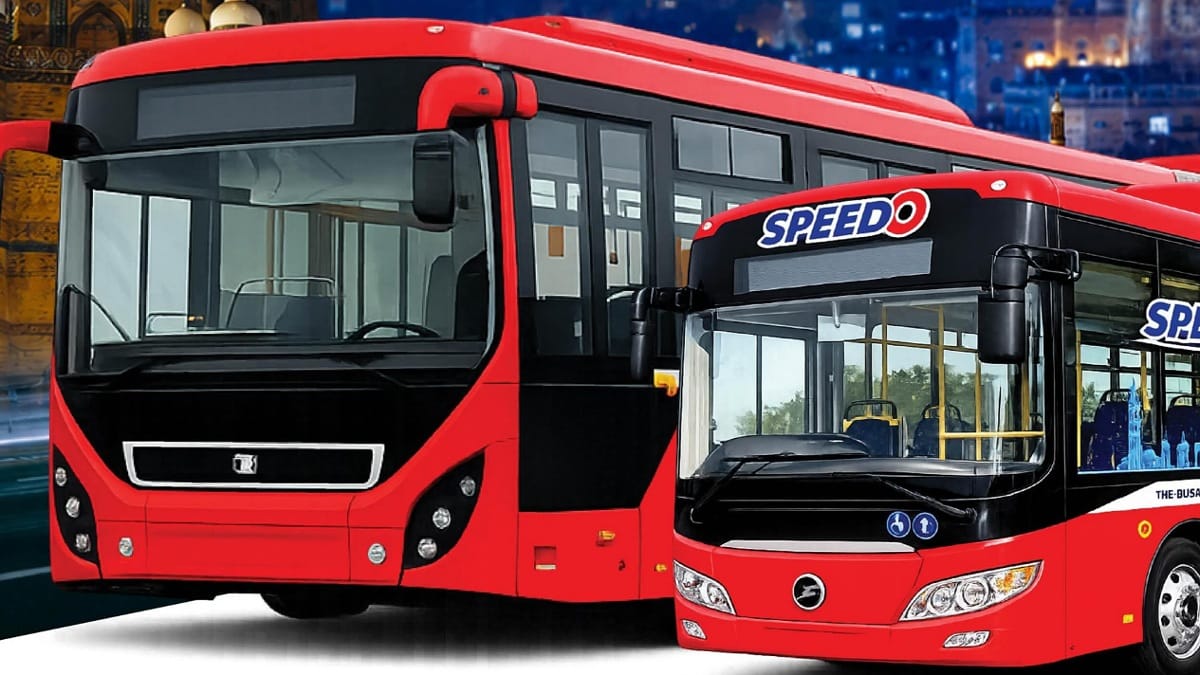
The Punjab Mass Transit Authority (PMTA) officially announced a Multan Metro suspension scheduled for Monday, June 22, 2026. This tactical pause in service covers the entire Multan Metro network, including all associated feeder routes. Consequently, commuters must re-calibrate their travel plans as the system undergoes this temporary closure in observance of 6th Muharram-ul-Haram. The authority urges all passengers to identify alternative transport solutions to maintain their daily schedules without disruption.
The Translation: Calibrating Urban Mobility
The PMTA is implementing a systemic shutdown of the transit network to manage urban mobility during significant cultural events. While the term “suspension” might imply a technical failure, it actually represents a calibrated pause. This operational decision aligns the city’s transport infrastructure with the specific logistical demands of the 6th Muharram-ul-Haram processions. Furthermore, all feeder buses will remain stationary for the duration of the day to ensure structural safety across the city.
The Impact of the Multan Metro Suspension
This development creates a significant shift in the daily rhythm for thousands of students and professionals. Urban commuters who rely on the precision of the metro system must now seek alternative transport methods. Consequently, this may lead to a temporary surge in demand for private ride-sharing services and local rickshaws. For the average Pakistani household, this necessitates a strategic adjustment in travel budgets and departure times to ensure national productivity remains baseline stable.
The Forward Path: A Stabilization Move
This development represents a Stabilization Move. While disruptions to public transport can hinder economic momentum, the PMTA’s early announcement allows for structural preparedness. By communicating these updates clearly, the authority maintains system efficiency and safety during high-density public gatherings. In contrast, a more proactive approach would involve integrating real-time alternative routing via digital apps to mitigate the impact on citizen mobility during future events. This remains a catalyst for better urban planning.