

Pakistan’s logistics infrastructure is demonstrating significant structural resilience as the maritime corridor remains operational despite geopolitical volatility. Maintaining Pakistan energy security requires a calibrated logistics network that functions under pressure. Currently, shipping activity at Karachi Port remains stable. Oil tankers continue to discharge essential fuel supplies despite escalating tensions in the Strait of Hormuz. Data confirms that multiple vessels are successfully navigating regional friction to sustain the national power baseline.
Strategic Fuel Inflows and Karachi Port Efficiency
The Pakistan National Shipping Corporation (PNSC) is actively managing the arrival of critical assets. Specifically, the MT Sargodha recently completed the discharge of crude oil sourced from Fujairah. Furthermore, the port authority expects the MT Shalimar and MT Lahore to berth shortly. These movements represent a consistent strategic flow that offsets global shipping pressures. Consequently, the port handled nearly 80,000 tonnes of cargo recently, with 19 ships scheduled for berthing operations.
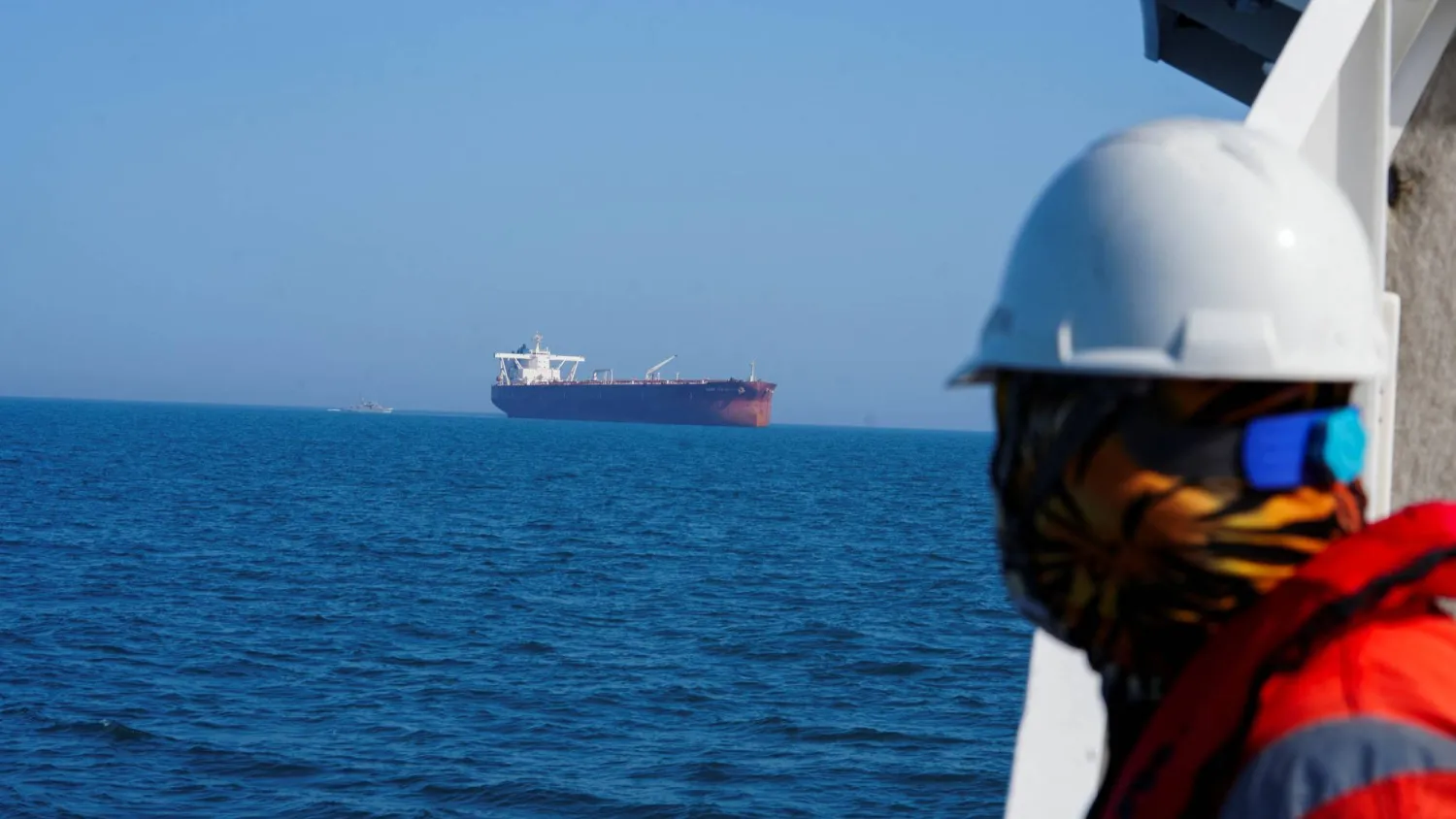
Beyond crude oil, the outbound cargo sector remains active. The MT Martini is currently loading locally produced fuel oil for export. Additionally, vessels like the MT Hafnia Henriette and MT Wan HE managed shipments of naphtha and ethanol. These exports are vital for maintaining the trade balance while the nation secures its internal energy requirements.
The Operational Challenge of LNG Cargoes
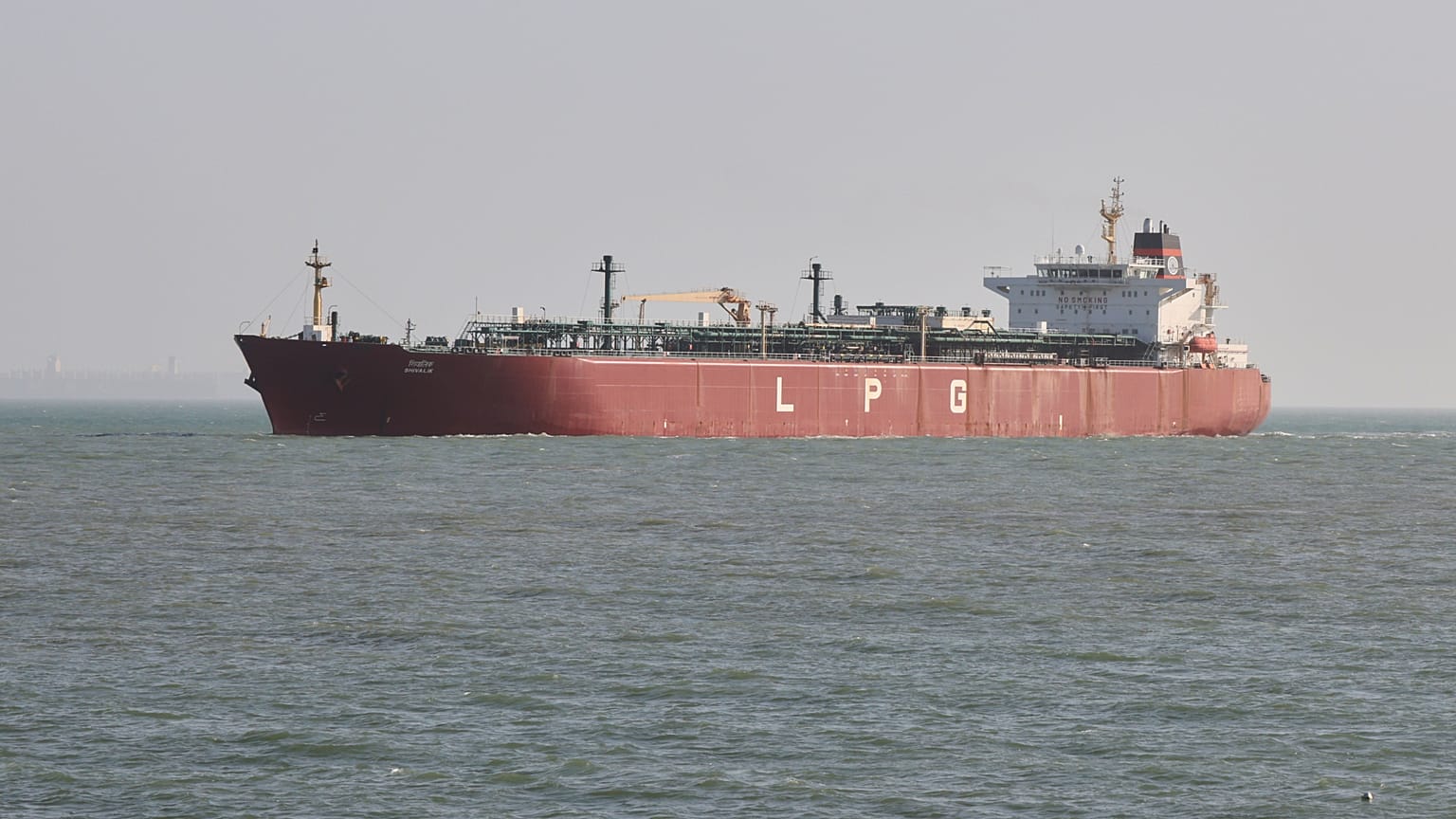
While crude oil shipments show stability, the energy mix faces specific bottlenecks. Several LNG cargoes remain delayed due to the evolving security situation in the Middle East. If these delays persist, the systemic pressure on Pakistan’s power generation could intensify in the coming weeks. Therefore, officials are monitoring these specific shipments to prevent a deficit in the industrial energy supply.

The “Situation Room” Analysis
The Translation
The divergence between crude oil arrivals and LNG delays highlights a precision-based risk assessment by global insurers. Crude oil often travels under long-term national shipping contracts, whereas LNG spot prices and logistics are more sensitive to immediate maritime threat levels. Maintaining Pakistan energy security in this context means diversifying transit risks and leveraging national assets like the PNSC to bypass commercial hesitance.
The Socio-Economic Impact
For the average Pakistani citizen, the arrival of these tankers prevents immediate fuel shortages and stabilizes transportation costs. However, the LNG bottleneck poses a risk to the national power grid. If LNG supplies do not arrive, industrial sectors may face load-shedding, potentially increasing the cost of manufactured goods. Urban households rely on this stability to maintain a baseline of economic productivity.
The Forward Path
This development represents a Stabilization Move. While the continued arrival of oil tankers is a positive indicator of logistical persistence, the vulnerability of LNG imports shows that the system is not yet fully resilient. We must prioritize domestic energy storage and explore alternative pipeline options to transition from a maintenance phase to true strategic momentum.








