

The architecture of the energy sector is shifting as global oil prices undergo a strategic correction toward the $100 baseline. Iran’s recent diplomatic maneuver to de-escalate tensions with the United States triggered immediate profit-taking across major energy exchanges. Consequently, West Texas Intermediate (WTI) is currently hovering near $101, marking a significant intraday decline. This calibrated movement suggests that the market is now testing critical support levels as peace signals emerge from Tehran.
Analyzing the Structural Shift in Global Oil Prices
Brent crude, the primary international benchmark, maintains a slight premium at $108 per barrel despite the broader retreat. Earlier this week, the price spiked above $120, reflecting high geopolitical risk premiums. However, the current decline illustrates the precision with which markets react to stabilization signals. Moreover, the Brent-WTI spread remains a vital metric for tracking regional supply-chain tightness. Currently, technical indicators suggest that the primary volatility catalyst has shifted from military fear to diplomatic probability.

Geopolitical Risk and Market Recalibration
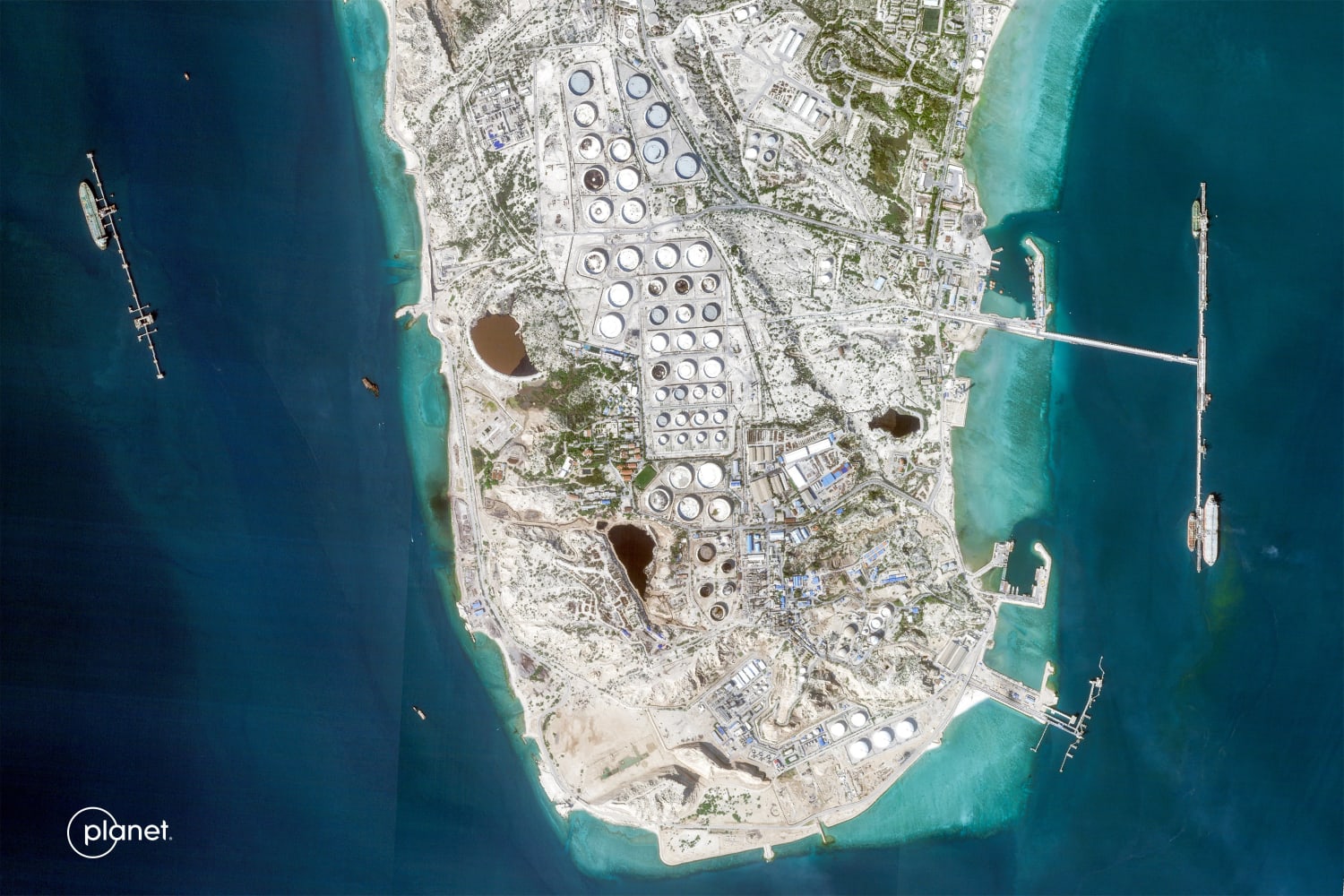
The Strait of Hormuz handles approximately 20 percent of the world’s total petroleum liquids. Therefore, any sustained decline below the $100 mark depends entirely on a credible de-escalation in the region. Investors are currently shedding the “war premium” that inflated costs during the peak of the conflict. While supply remains tight, the sudden influx of diplomatic proposals has neutralized the immediate threat of a major trade blockade.
The Translation: Market Logic Decoded
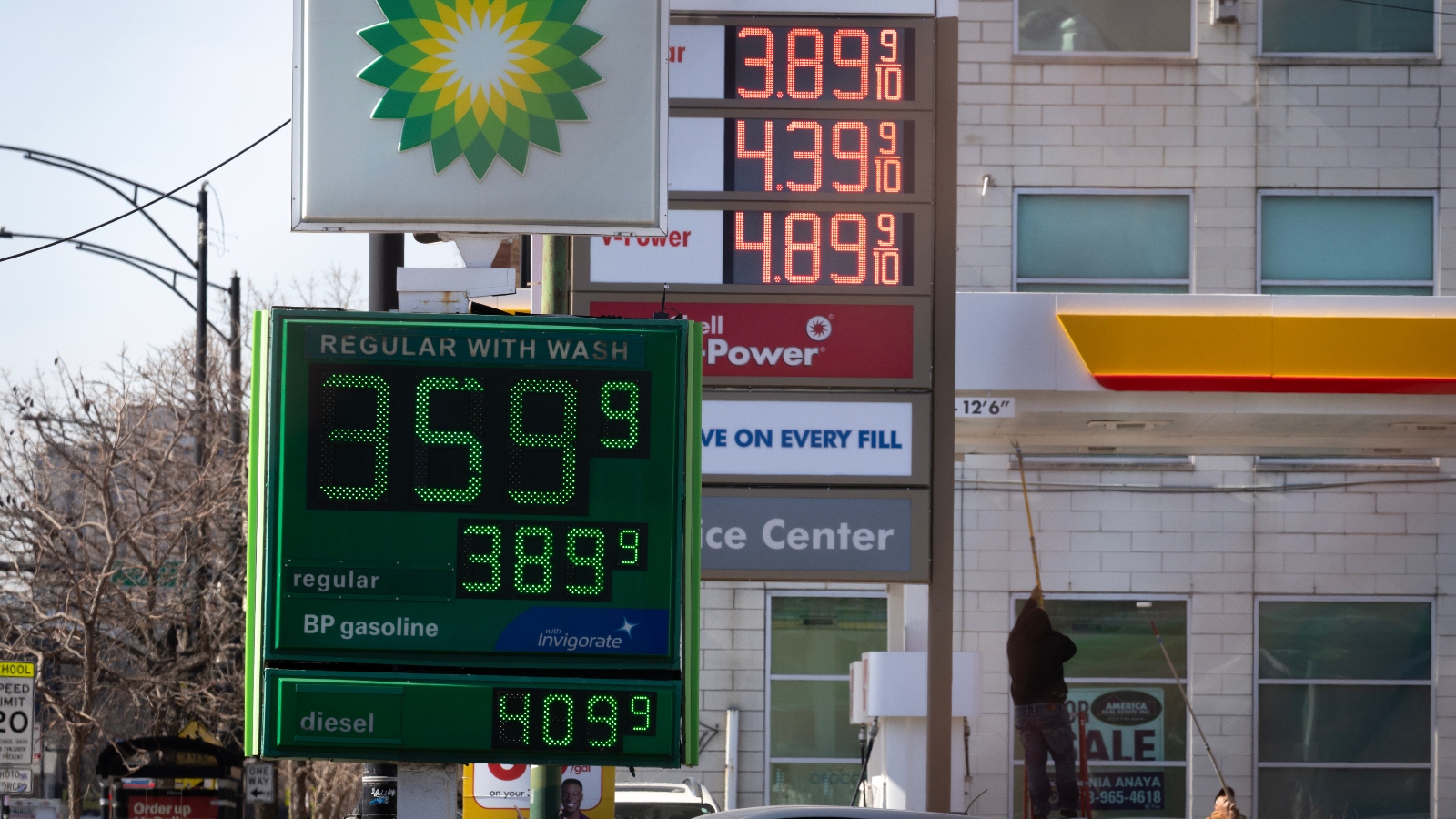
In high-stakes energy logistics, price acts as a direct reflection of perceived system risk. The recent surge to $120 was not caused by a lack of oil, but by the fear of its restricted movement. When Iran channeled its proposal through intermediaries, it effectively reduced the mathematical probability of a supply interruption. As a result, the market is purging the artificial price inflation created by war fears. We are witnessing a transition from a “conflict-based” valuation to a “fundamental-based” valuation.
The Socio-Economic Impact: Daily Life in Pakistan
For the average Pakistani citizen, a sustained drop in global oil prices acts as a primary catalyst for domestic economic relief. Lower landed costs for crude oil reduce the fiscal pressure on the national budget. Specifically, this development creates space for the government to stabilize retail fuel prices and manage transport inflation. Students and professionals will likely see improved system efficiency as transportation costs remain manageable. Stabilized energy costs directly protect the purchasing power of households in both urban and rural centers.
The Forward Path: Strategic Momentum
This development represents a Momentum Shift toward regional stabilization. While the geopolitical landscape remains complex, the move toward a formal proposal indicates a strategic pivot away from active hostilities. If this de-escalation holds, Pakistan can expect a more predictable baseline for energy procurement and economic planning. However, we must maintain a disciplined national energy policy to hedge against future volatility. We view this correction as a necessary cooling period for a strained global economy.








