
The roadmap for the Nvidia RTX 5000 Super series currently faces a strategic calibration due to soaring GDDR7 memory costs. While board partners have received hardware samples, Nvidia has reportedly paused the release schedule. Consequently, the industry awaits a new timeline as the tech giant navigates the volatility of high-density memory pricing. This disruption stems from the precise production costs of specialized modules required for these next-generation components.
The GDDR7 Precision Paradox: Why 3GB Modules Stall Production
The reported delay centers on the integration of 3GB GDDR7 memory modules. These high-density chips allow Nvidia to increase VRAM capacity without restructuring the memory bus. However, financial data reveals a stark disparity in component costs. Specifically, a 3GB GDDR7 chip currently costs approximately $60 to $70, whereas a standard 2GB chip costs only $20. Consequently, manufacturers face a 300% price increase for a mere 50% capacity boost.
Such a massive cost jump makes the Super cards significantly more expensive to manufacture. For models utilizing eight memory modules, the baseline cost of production scales beyond previous projections. Therefore, Nvidia must decide whether to absorb these costs or pass them on to consumers.
Projected Lineup and Structural Spec Improvements
The rumored lineup includes the RTX 5080 Super, RTX 5070 Ti Super, and RTX 5070 Super. These units aim to offer significant upgrades over their standard counterparts. For instance, the 5080 Super and 5070 Ti Super expect a 24GB GDDR7 configuration. Meanwhile, the RTX 5070 Super targets an 18GB memory baseline. Furthermore, even the entry-level RTX 5050 9GB is reportedly on hold because it also relies on these expensive 3GB modules.
Analyzing the RTX 5070 Super Pricing Barrier
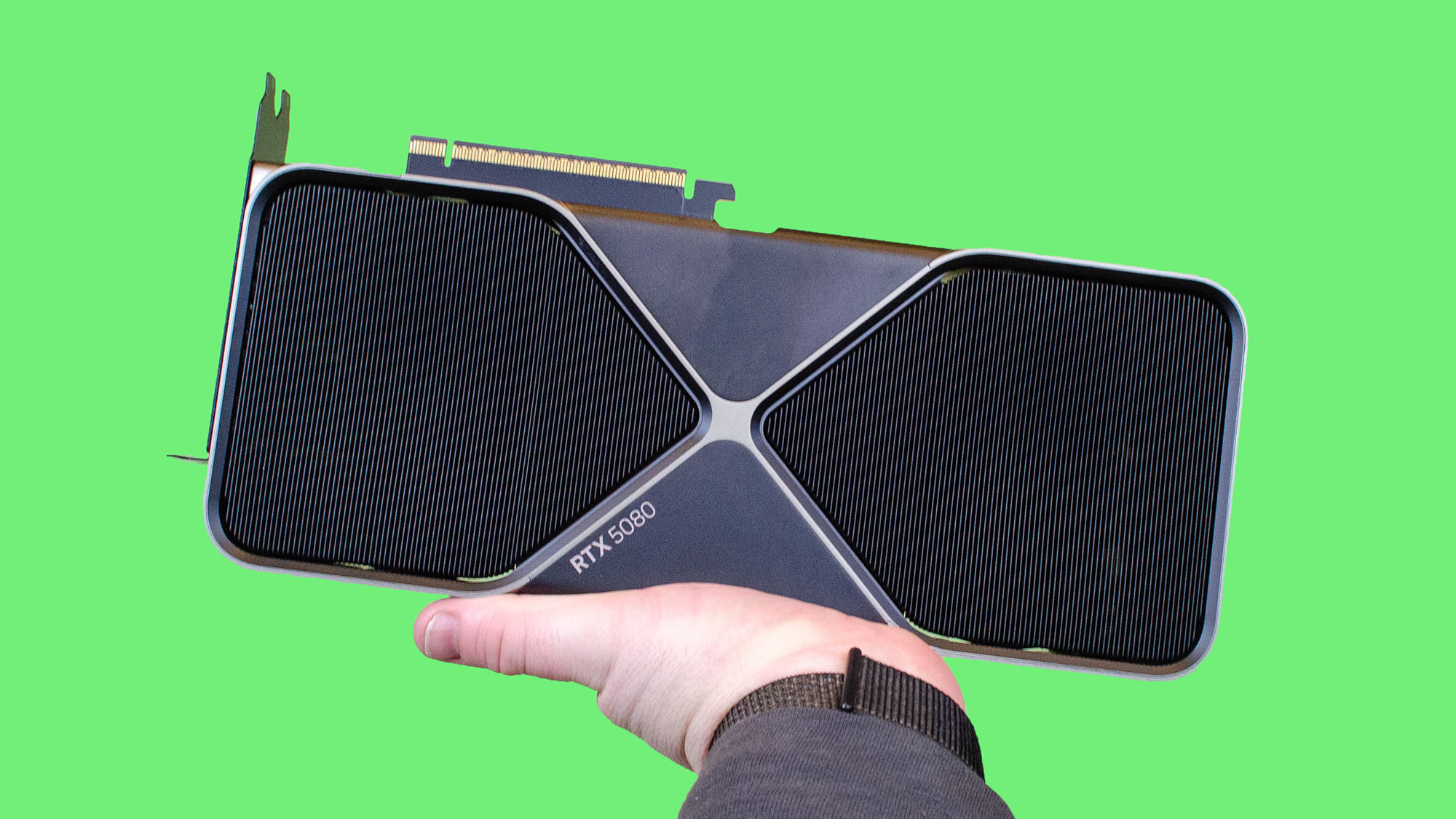
The Nvidia RTX 5000 Super refresh usually targets better value, but the current economics challenge this model. A standard RTX 5070 utilizes 12GB of memory. Transitioning to the 18GB “Super” variant requires six 3GB modules. Consequently, the memory cost alone could jump from $120 to $360. This structural price increase limits Nvidia’s ability to price the cards aggressively against competitors.
The Translation: Decoding the Memory Bottleneck
In simple terms, the “brain” of the graphics card is ready, but the “short-term memory” chips are currently too expensive to buy in bulk. Nvidia is waiting for the manufacturing cost of GDDR7 memory to stabilize. By pausing now, they avoid launching a product that would be priced significantly higher than the standard models it is meant to replace.
Socio-Economic Impact: Technology Access in Pakistan
For Pakistani professionals in AI development, 3D rendering, and STEM education, this delay impacts digital infrastructure planning. A price hike in high-end GPUs creates a higher barrier to entry for local startups and students. Since hardware costs are already high due to import duties, a further increase in global MSRP makes top-tier technology less accessible for the Pakistani workforce.
The Forward Path: Strategic Stabilization
This development represents a Stabilization Move. Nvidia is prioritizing fiscal precision and supply chain health over a rushed launch. While gamers must wait longer, this delay ensures that when the Nvidia RTX 5000 Super finally arrives, it will likely feature a more calibrated price-to-performance ratio. We expect a release shift toward the next fiscal quarter once memory yields improve.








