
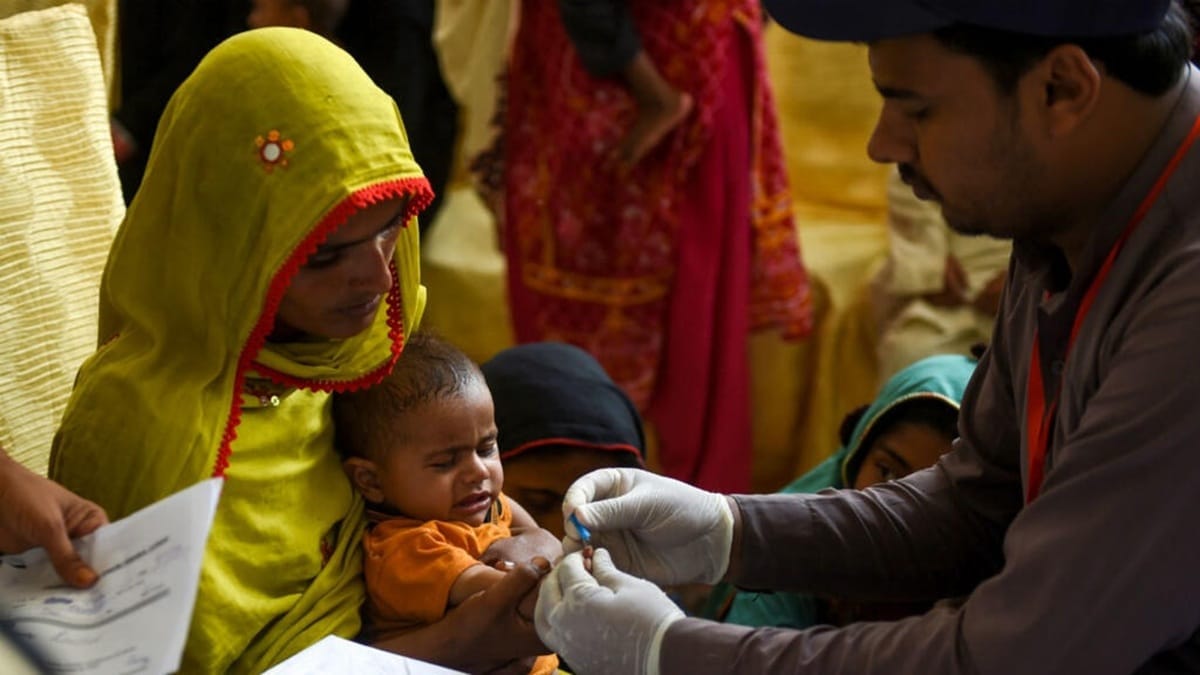
Pakistan’s healthcare infrastructure currently monitors a calibrated crisis as the count of HIV-positive children reaches a critical baseline of 7,500. This demographic now constitutes approximately 12.1% of the 62,000 citizens receiving active treatment nationwide. Consequently, the rising scale of this pediatric emergency demands a strategic overhaul of existing diagnostic and therapeutic frameworks to ensure national health stability.
Mapping the Geographic Trajectory of HIV-positive children
Data indicates that Sindh serves as the primary epicenter for this health challenge. Currently, authorities have registered around 4,200 HIV-positive children within the province’s treatment services. Furthermore, Sindh records the highest frequency of new infections, with a monthly average of 120 pediatric diagnoses throughout 2026. This concentration suggests a structural vulnerability in regional screening and prevention protocols.
Beyond Sindh, the precision of the national surveillance system reveals a broader spread. Punjab maintains the second-highest caseload, followed sequentially by Khyber Pakhtunkhwa and Balochistan. Notably, health officials have also identified active cases in the Islamabad Capital Territory, Azad Jammu and Kashmir, and Gilgit-Baltistan, indicating a nationwide distribution of the virus.

Strategic Health Interventions and Clinical Challenges
The increasing infection rate exacerbates existing physiological stressors. Many affected children face secondary complications such as severe malnutrition, inhibited growth cycles, and recurring opportunistic infections. Because these children possess compromised immune systems, their nutritional and medical requirements scale significantly during episodes of diarrhea or weight loss. Effective management requires a precision-based approach to pediatric care.
Currently, the state manages this burden through a network of 99 specialized treatment centers. These facilities deliver essential antiretroviral therapy to stabilize the patient population. However, the data suggests that the system requires further expansion to match the accelerating infection curve.
The Situation Room Analysis
The Translation (Clear Context)
The presence of 7,500 HIV-positive children indicates a breakdown in “Vertical Transmission” prevention—the process where the virus passes from mother to child. When we talk about “12.1% of the treatment population,” it signifies that the pediatric demographic is growing faster than the adult demographic in relative terms. This necessitates a transition from reactive treatment to proactive maternal screening across all provincial borders.
The Socio-Economic Impact
For the average Pakistani citizen, this crisis manifests as an increased strain on the public healthcare budget and a potential decrease in future workforce productivity. Families in rural areas face the dual burden of high medical costs and the social stigma associated with the virus. This leads to a cycle of poverty, as households divert limited resources toward chronic health management instead of education or enterprise.
The “Forward Path” (Opinion)
This development represents a Stabilization Move that is currently failing to reach a Momentum Shift. While the existence of 99 treatment centers provides a baseline for survival, it does not address the root cause of transmission. We must view these 7,500 cases as a catalyst for mandatory maternal health screening. Without a calibrated, nationwide policy for prevention, we are merely managing a growing symptom rather than curing the systemic failure.








