
Pakistani Higher Education Faces Strategic Calibration in Latest QS World Rankings
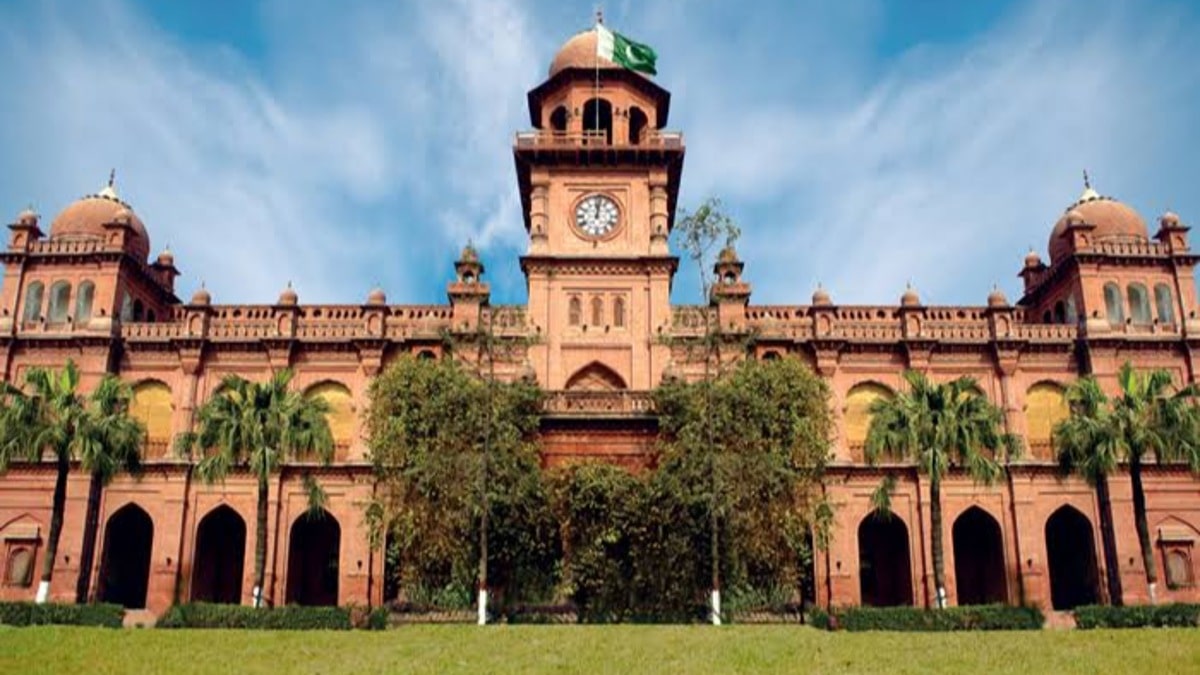
Pakistan’s academic sector requires a structural shift as the latest QS World Rankings reveal that no local institution secured a spot within the top 350 globally. While specific technical institutes demonstrated upward momentum, flagship universities like Quaid-i-Azam University and NUST experienced a calibrated decline in their international standing. This baseline assessment highlights the critical need for systemic reform to align our educational output with global precision standards.
Analyzing the Structural Shift in Global Standings
The data indicates a downward trajectory for Pakistan’s premier research hubs. Specifically, Quaid-i-Azam University dropped from 354th to 381st place. Similarly, the National University of Sciences and Technology (NUST) shifted from 371st to 384th. These figures serve as a catalyst for a deeper investigation into our national research output and international faculty ratios.
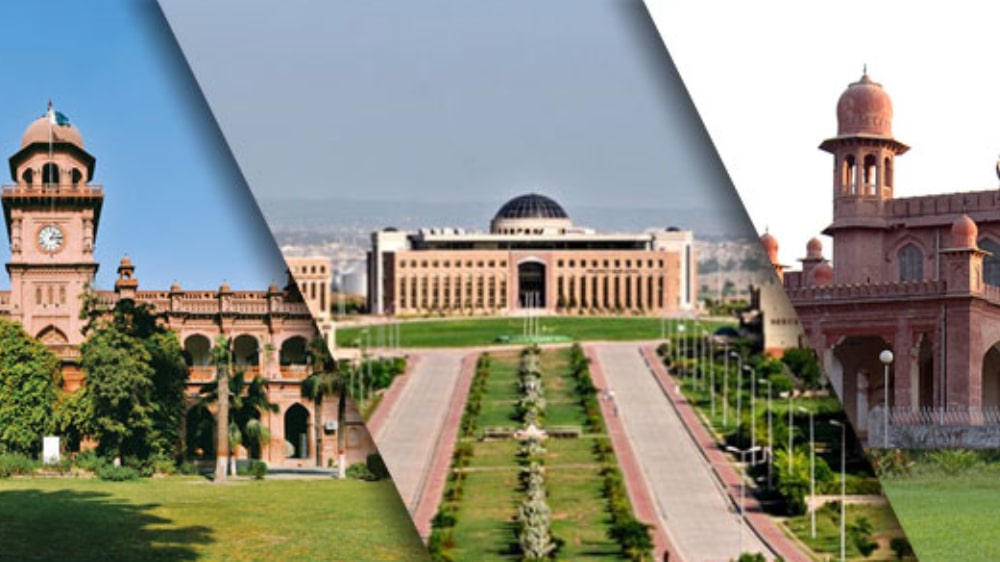
Furthermore, 18 Pakistani universities maintained their presence among the 1,504 ranked institutions worldwide. Notably, technical and agricultural specialists showed resilience. The Pakistan Institute of Engineering and Applied Sciences (PIEAS) improved its standing significantly from 721st to 560th. Consequently, COMSATS University Islamabad and the University of Agriculture Faisalabad also recorded measurable gains in the QS World Rankings hierarchy.
Regional Disparities and Institutional Declines
In contrast to the technical gains, several established comprehensive universities faced significant challenges. Punjab University slipped to 588th, while the Lahore University of Management Sciences (LUMS) moved to 608th. Geographically, the report exposes a stark imbalance; the University of Karachi remains Sindh’s lone representative, whereas Balochistan currently lacks any representation in these global metrics.
The Situation Room
The Translation: Systems Over Statistics
Beyond the raw numbers, these rankings measure a university’s “Global Gravity”—its ability to attract international talent and produce high-impact research. The decline suggests that while our institutions are growing, the rest of the world is accelerating at a faster, more calibrated pace. We must transition from a focus on quantity to high-precision academic output that commands global respect.
The Socio-Economic Impact: The Professional Pipeline
For the average Pakistani citizen, these rankings directly influence the “currency” of a local degree in the international job market. As global standing fluctuates, students may face increased hurdles in securing international scholarships or high-tier corporate placements. Maintaining a competitive baseline is essential for the economic mobility of our youth and the credibility of our workforce.
The Forward Path: A Stabilization Move
This development represents a Stabilization Move rather than a momentum shift. The survival of 18 institutions in the list proves our academic foundation is intact. However, without a strategic infusion of research funding and industry-academia synergy, we risk long-term stagnation. We must calibrate our policies to prioritize qualitative impact over administrative expansion to reclaim our position in the top 350.








