
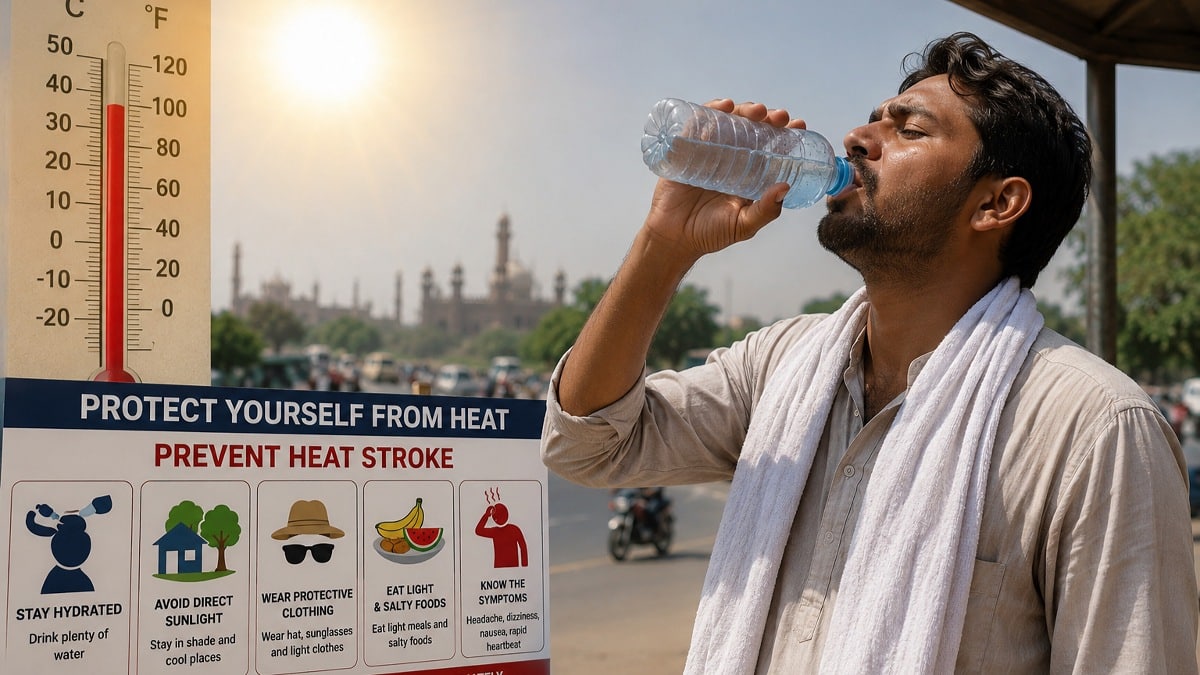
The National Institute of Health (NIH) recently released a comprehensive NIH Heatstroke Advisory to help Pakistan navigate the escalating thermal challenges of the summer season. As climate-related shifts become more frequent, the Center for Disease Control (CDC) warns that rising global temperatures pose a significant risk to public health infrastructure. Consequently, the NIH urges healthcare providers to calibrate their response systems to ensure citizen safety and operational efficiency during these peak periods.
Structural Guidelines for Heatstroke Mitigation
The CDC identifies the increasing intensity of heatwaves as a catalyst for severe health complications. To counter these threats, the advisory outlines specific, actionable protocols for both the public and healthcare administrators. For instance, the NIH emphasizes the importance of maintaining proper hydration and electrolyte balance to prevent systemic failure during extreme heat exposure. Furthermore, healthcare authorities must strengthen their local preparedness to manage the surge in heat-related cases effectively.

Essential Preventive Protocols
- Hydration Maintenance: Consume adequate fluids and salty foods to replenish electrolytes lost through perspiration.
- Thermodynamic Clothing: Wear light-colored, lightweight, and loose-fitting apparel to facilitate body cooling.
- Exposure Management: Avoid direct sunlight during peak hours and utilize protective gear like hats or umbrellas.
- Symptom Monitoring: Identify early signs of heat exhaustion to prevent a transition into life-threatening heatstroke.

The Translation (Clear Context)
While the advisory uses technical terminology, the underlying logic is simple: our environment is changing faster than our current habits. The NIH is essentially providing a precision toolkit to recalibrate how we interact with the outdoors. By focusing on clothing materials and salt intake, the CDC is addressing the biological baseline required to withstand 40°C+ temperatures. This is not just medical advice; it is a structural manual for survival in a volatile climate.
The Socio-Economic Impact
Heatwaves exert a profound strain on Pakistan’s productivity and healthcare costs. For the urban professional, heat-related illness leads to reduced workforce output and increased medical expenditures. In rural areas, the impact on outdoor laborers can be catastrophic, potentially destabilizing household incomes. By following this NIH Heatstroke Advisory, the nation can reduce the burden on emergency rooms and maintain the momentum of our economic activities despite the climate challenges.
The Forward Path (Opinion)
This advisory represents a Stabilization Move. While these guidelines are essential for immediate safety, they function as a defensive layer rather than a long-term solution. Pakistan must eventually transition from reactive advisories to proactive urban planning and “cool-roof” initiatives. However, for the current season, the NIH’s disciplined approach to public awareness provides a necessary baseline for national resilience.








