

The global transition toward resource-efficient infrastructure demands a calibrated approach to household climate control. Xiaomi recently launched the Mijia Super Energy-Saving 2026 Model (1HP), a system designed to integrate intelligent energy-saving algorithms into the modern residential landscape. This architectural shift in appliance design optimizes power consumption while maintaining peak thermal performance for users. Consequently, this release establishes a new baseline for cost-effective climate management in emerging markets.
Leveraging Intelligent Energy-Saving Technology
The core of this system lies in its variable frequency inverter technology. Xiaomi employs the Lingyun intelligent energy-saving algorithm to manage performance dynamically. This software-driven approach allows the unit to exceed China’s top-tier energy efficiency standards. Furthermore, the unit achieves an impressive Annual Performance Factor (APF) of 5.45, ensuring that energy output remains strategic rather than wasteful. This level of precision engineering is essential for mitigating the rising costs of domestic utility consumption.
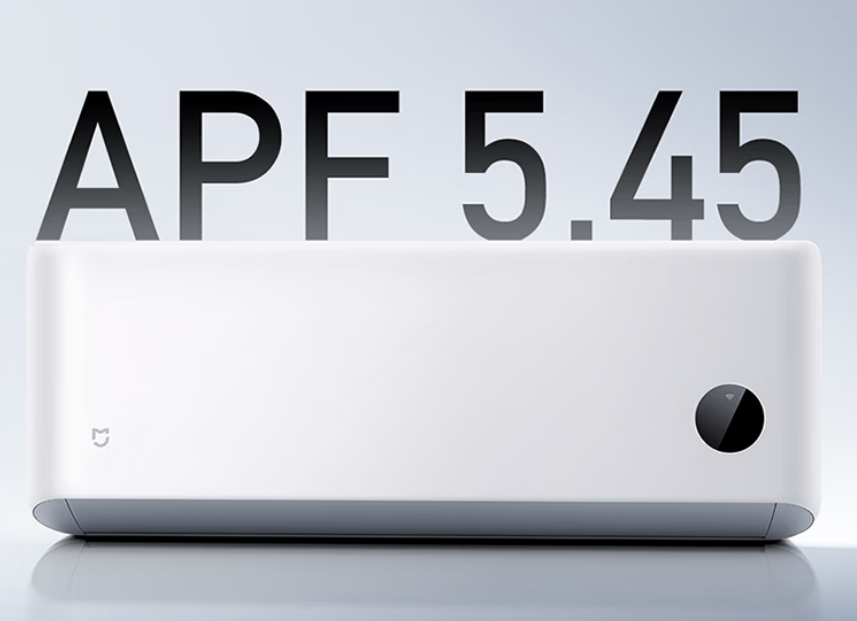
Technical Precision and Performance Baseline
The hardware configuration is equally robust, featuring a 9.8cc compressor. It manages a wide operational range to accommodate varying thermal demands. Specifically, the technical benchmarks include:
- Cooling Capacity: 2670W rated output, with a flexible range between 150W and 4650W.
- Heating Capacity: 4570W rated output, peaking at 6100W for extreme conditions.
- Auxiliary Support: A 1050W PTC heater provides additional thermal stability in cold climates.
- Airflow Efficiency: A cross-flow fan delivers 740m³/h of air volume with multi-directional swing modes.
The Situation Room: Analysis
The Translation (Clear Context)
While technical specifications often confuse consumers, the logic here is simple: efficiency through intelligence. The “APF rating” of 5.45 means this AC provides more cooling per watt than standard models. Instead of running at a fixed, high-power speed, the inverter system uses the intelligent energy-saving algorithm to slow down or speed up based on the room’s actual needs. This prevents the “start-stop” energy spikes that typically drive up electricity bills.
The Socio-Economic Impact
For the average Pakistani household, cooling accounts for the largest portion of summer electricity expenses. This development offers a catalyst for financial relief. By reducing power consumption during peak summer months, professionals and families can better manage their disposable income. Moreover, the integration of HyperOS Connect allows for remote monitoring. This helps users avoid accidental waste by shutting down units from their smartphones, directly improving household efficiency.
The Forward Path (Opinion)
This release represents a significant Momentum Shift. We are moving away from appliances that are merely “functional” and toward systems that are “aware.” Xiaomi’s decision to price this at approximately $249 proves that high-tier efficiency is no longer a luxury. This strategic pricing forces the entire industry to recalibrate their value propositions, ultimately benefiting the end-user through better technology at lower price points.
Maintenance and Ecosystem Integration
The Mijia 2026 model is built for long-term structural integrity. It features self-cleaning functions for both indoor and outdoor units to prevent bacterial growth. Additionally, it provides automatic clogging reminders and supports OTA software updates. These features ensure the system stays calibrated throughout its lifecycle. Finally, the indoor unit operates at a whisper-quiet 18dB(A), ensuring that high-performance cooling does not compromise acoustic comfort.








