
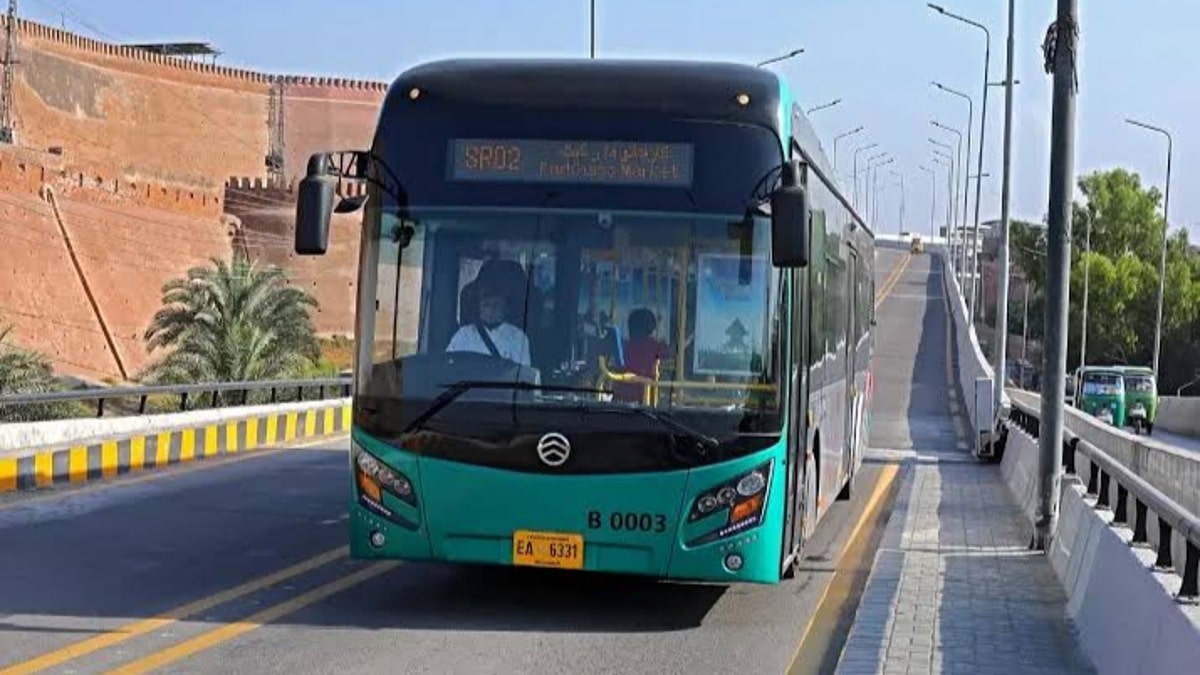
Structural Calibration of the BRT Network
Strategic urban mobility acts as a catalyst for economic growth and system efficiency. Consequently, TransPeshawar has officially recalibrated the BRT Peshawar timings for its critical ER-01 Express Route. This shift reflects a data-driven approach to accommodate the increasing evening commuter demand across the city. By extending service hours, the system ensures that professionals and students experience a more seamless transition from their workspaces to their homes.
The Translation: Decoding the New Schedule
While the change might seem incremental, the logic is deeply rooted in operational precision. TransPeshawar has extended the final departure for the ER-01 Express Route from 8:00 PM to 8:30 PM. This thirty-minute window provides a necessary buffer for commuters who previously faced a rigid cutoff. The updated BRT Peshawar timings apply immediately across the network, specifically targeting the high-velocity Express services that connect major residential and commercial nodes.
The Socio-Economic Impact: Empowering the Evening Workforce
A transit system that adapts to its users fosters a more resilient urban environment. For the average Pakistani citizen in Peshawar, this adjustment translates to increased flexibility. Students attending late-evening sessions and professionals finishing their shifts no longer need to rely on expensive private transport. Furthermore, improved evening accessibility enhances safety and encourages a more vibrant night-time economy within the city. The revised BRT Peshawar timings effectively lower the barrier to entry for late-shift employment.
The Forward Path: A Momentum Shift for Peshawar
From an architectural perspective, this development represents a clear Momentum Shift. Rather than maintaining a static baseline, TransPeshawar is utilizing a feedback loop to improve system efficiency. This adjustment suggests a transition toward a more responsive, data-centric transit model. To maintain this progress, the city must continue to monitor passenger density and calibrate routes accordingly. This proactive management is essential for sustaining Peshawar’s trajectory toward becoming a modernized industrial hub.








