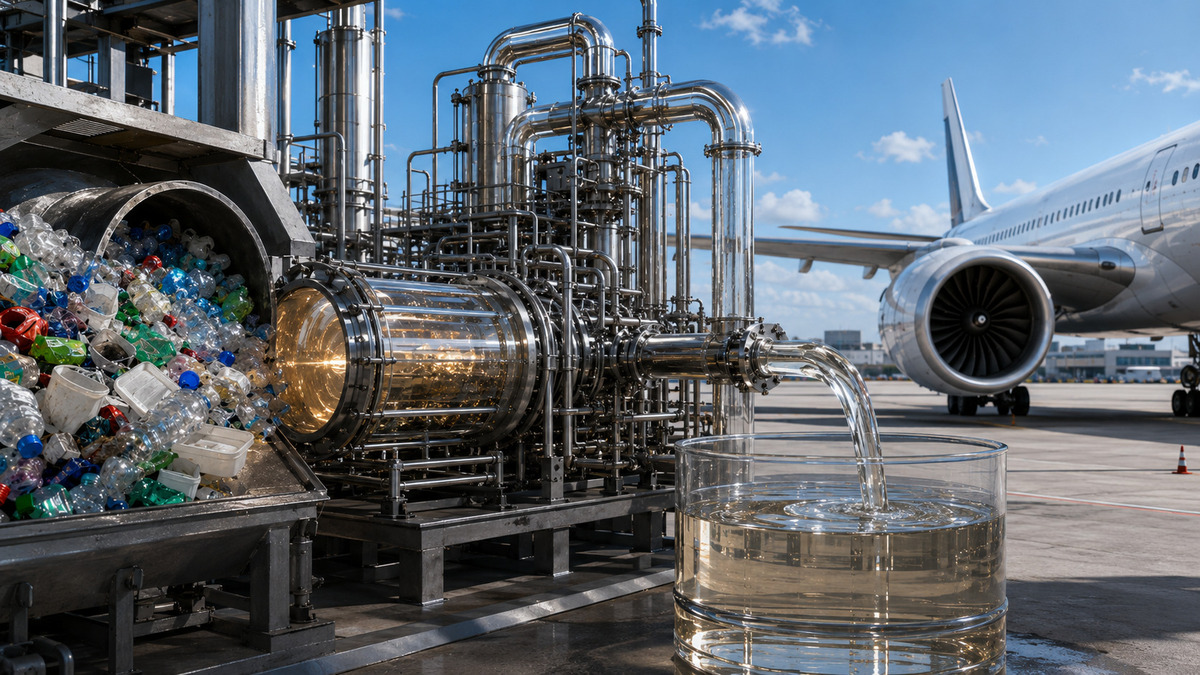
Global waste management requires a calibrated structural shift rather than incremental recycling. Recently, a joint research team from the Chinese Academy of Sciences and Fudan University engineered a breakthrough chemical process that efficiently turns plastic into fuel. This precision-driven method focuses on polyolefins, the primary components of modern waste, and converts them into high-value aviation fuel at a fraction of traditional costs.
The Translation: How We Break the Molecular Chain
To understand this catalyst, one must first recognize the structural stability of polyolefins like polyethylene. These plastics consist of long, durable hydrocarbon chains that resist natural degradation. Traditional recycling often destroys these chains inefficiently. However, this new method employs a dual-metal catalyst composed of nickel and cobalt.
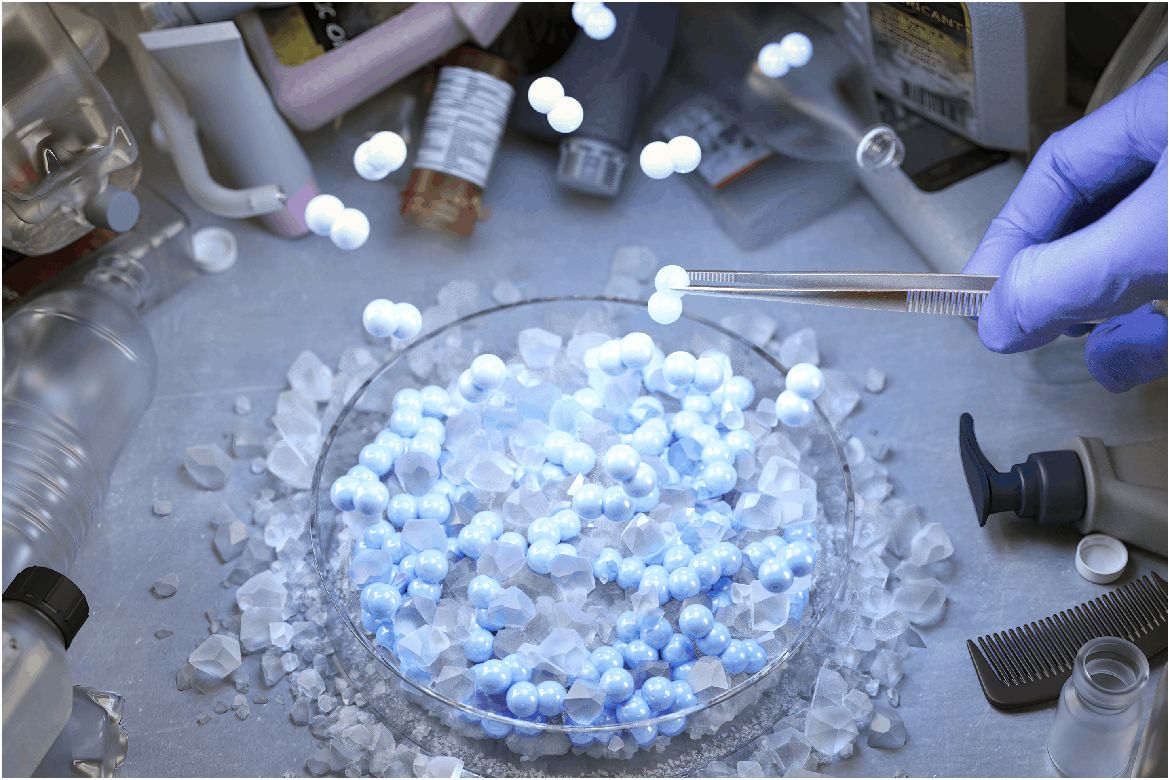
The cobalt strategically calibrates the electronic state of the nickel. This synergy allows the system to break internal carbon bonds with high precision. Consequently, the process avoids creating excessive methane gas and instead produces liquid hydrocarbons (C8-C16). These specific molecules serve as the baseline for high-performance jet fuel.
Optimizing Yield to Turn Plastic into Fuel
Efficiency is the primary catalyst for industrial adoption. Under mild conditions of 280°C and 3 MPa of pressure, the researchers achieved a liquid yield of 82.3%. Unlike previous systems that relied on expensive noble metals like platinum, this approach utilizes abundant, cost-effective materials. This strategic shift in resource allocation makes the technology a viable candidate for large-scale industrial deployment.
- High Selectivity: 79% of the output matches the required C8-C16 alkane range.
- Emissions Reduction: The process slashes greenhouse gas emissions by 80% compared to conventional fuel production.
- Abundant Materials: Nickel and cobalt replace expensive alternatives, ensuring economic sustainability.
The Socio-Economic Impact on Pakistan
This development carries significant weight for urban centers like Karachi and Lahore. Currently, Pakistan faces a dual crisis: a growing plastic waste surplus and rising energy costs. Implementing a localized system that turns plastic into fuel could decentralize waste management. It offers a pathway to reduce landfill pressure while creating a secondary “trash-to-cash” economy for waste collectors and local industries.
Moreover, the 80% reduction in carbon footprint aligns with global climate commitments. For the average Pakistani household, such technological scaling could eventually translate into lower logistical costs and cleaner urban environments.
The Forward Path: An Innovator’s Perspective
This study represents a definitive Momentum Shift in chemical upcycling. While the technology currently resides in the laboratory stage, the logic behind using non-noble catalysts is sound. To reach industrial maturity, we must now address feedstock “poisoning”—where impurities in mixed waste deactivate the catalyst. If our engineers can solve this structural barrier, we will move from a linear “use-and-discard” model to a circular, precision-driven energy ecosystem.