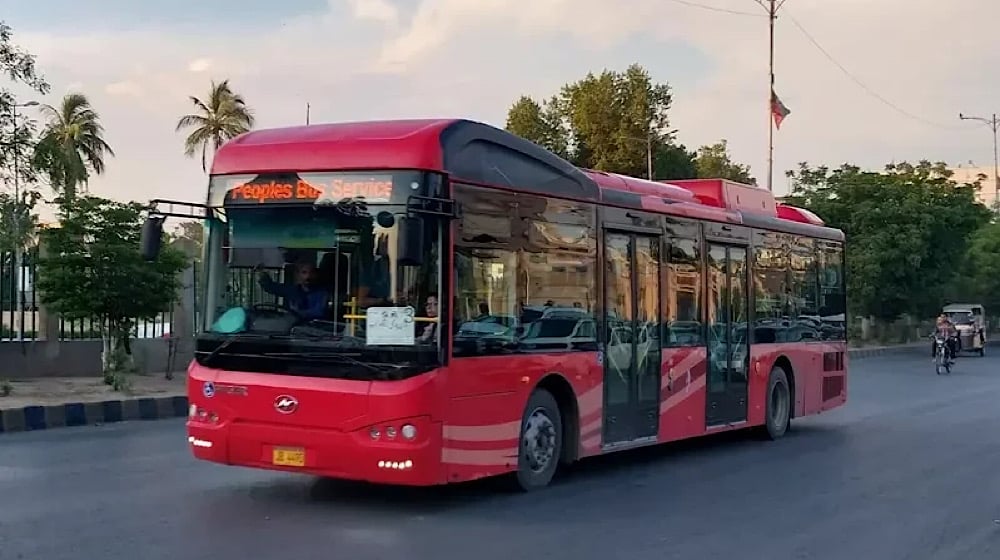
The Sindh Government is engineering a strategic expansion of provincial mobility with the launch of a new Peoples Bus Service route in Hyderabad. Minister for Information, Transport, and Mass Transit, Sharjeel Inam Memon, confirmed the initiative during a recent Sindh Assembly session. This calibrated deployment aims to bridge the transport gap in urban centers, specifically targeting the post-Eid ul Adha 2026 window for full operational status.
Optimizing the Peoples Bus Service Route in Hyderabad
Minister Memon specified that the upcoming route will facilitate transit between Latifabad and Hyder Chowk. This move serves as a catalyst for improving commuter flow within Hyderabad’s dense corridors. Furthermore, the provincial administration is prioritizing system efficiency by mandating that buses stop only at designated locations. This regulation seeks to mitigate unauthorized stops that frequently result in mechanical damage or passenger disputes.
Strategic Fleet Management and Karachi Updates
While the focus remains on expansion, Memon acknowledged a current baseline shortage of vehicles in Karachi. Consequently, the government has delayed additional routes in the provincial capital until the procurement of new units. To address this structural deficit, the Sindh government has approved the purchase of 500 electric buses via a public-private partnership. This move signals a pivot toward sustainable, high-tech transit solutions for the entire province.
The Situation Room Analysis
The Translation: Contextualizing the Expansion
The government’s decision to enforce strict stop-point discipline is a move toward international transit standards. By preventing random stops, the administration aims to preserve the longevity of the Peoples Bus Service route infrastructure. Additionally, the shift to a public-private partnership for 500 electric buses indicates that the province is leveraging private capital to overcome public budget constraints, ensuring a modernized fleet without immediate fiscal strain.
The Socio-Economic Impact
For the average Pakistani citizen in Hyderabad, this development reduces the reliance on unregulated, often expensive private transport. Consequently, students and professionals can expect more predictable commute times and lower monthly transit costs. The introduction of electric buses will also improve air quality in congested urban zones, directly impacting public health and long-term environmental sustainability.
The Forward Path: Strategic Expert Opinion
This development represents a Momentum Shift. The transition from traditional fuel-based fleets to a 500-unit electric bus network is a precision move toward modernizing Pakistan’s infrastructure. While the delay in Karachi routes serves as a temporary stabilization measure, the overall trajectory points toward a more disciplined and technologically advanced transport system for Sindh.