Accelerating National Advancement: The Gilgit-Baltistan Motorway Initiative
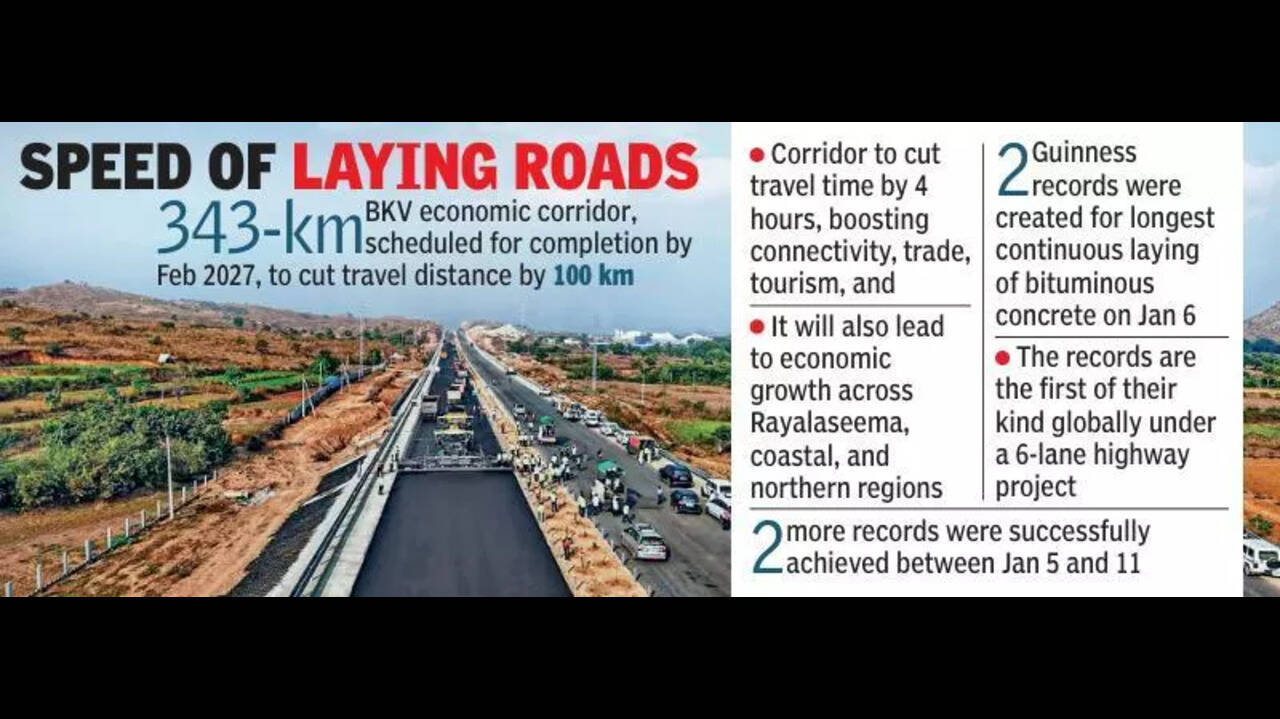
Pakistan’s infrastructure trajectory is advancing with the proposed Gilgit-Baltistan Motorway, a critical project poised to redefine regional connectivity and economic vibrancy. This new arterial route, a calibrated alternative to the Karakoram Highway, will strategically reduce travel distance by approximately 100 kilometers. Consequently, it acts as a direct catalyst for increased tourism and robust local economic growth, reflecting a disciplined commitment to uniform national development through high-quality road networks.
Precision Engineering for Northern Connectivity: The Motorway’s Blueprint
Federal Minister for Communications Abdul Aleem Khan and Gilgit-Baltistan Governor Syed Mehdi Shah recently conducted a detailed review of this proposed motorway. This vital infrastructure, designed to link Mansehra, Naran, Kaghan, and Babusar Top to Jalkhand, represents a structural enhancement in Pakistan’s travel arteries. Minister Khan affirmed that the motorway will precisely cut travel by around 100 kilometers. Furthermore, this initiative streamlines journeys and significantly bolsters the region’s burgeoning tourism sector. This calibrated reduction in transit time is set to profoundly improve accessibility to northern Pakistan.
The Translation: Deconstructing the Infrastructure Logic
This development transcends mere road construction; it signifies a strategic recalibration of Pakistan’s logistical framework. The Gilgit-Baltistan Motorway offers an essential alternative to the existing Karakoram Highway (KKH), which, despite its iconic status, encounters capacity limitations and seasonal operational challenges. By establishing a parallel, more efficient transit option, the government aims to cultivate systemic redundancy and elevate travel reliability. Evidently, this diversified network will more effectively accommodate both commercial transport and the increasing tourist volume heading to Gilgit-Baltistan, ensuring more resilient national connectivity.
The Socio-Economic Impact: Daily Life in a Connected Pakistan
This new motorway project directly influences the daily experiences of Pakistani citizens. For students and professionals, shorter travel distances translate into more efficient movement for educational pursuits, employment, and access to critical services. Moreover, urban households will benefit from simpler, quicker access to the majestic northern landscapes, thereby fostering domestic tourism. Importantly, rural communities throughout Gilgit-Baltistan are projected to receive substantial economic uplift. This will manifest through heightened visitor traffic, stimulating local enterprises, generating new employment prospects, and expanding market access for their distinct goods and services. Ultimately, this infrastructure investment promises a tangible enhancement in quality of life and equitable economic opportunity.
The “Forward Path”: A Momentum Shift for Regional Growth
This pivotal development firmly establishes a Momentum Shift for Gilgit-Baltistan and for national tourism expansion. The strategic investment in a high-quality road infrastructure, particularly across the northern areas, signals a resolute governmental commitment to balanced, equitable growth. By proactively addressing existing connectivity challenges and harnessing Pakistan’s inherent natural beauty, this project acts as a foundational element for sustainable regional development. It represents a precise intervention crafted to unlock previously constrained economic potential, thereby positioning Gilgit-Baltistan as a prime destination and a dynamic hub for future progress.