
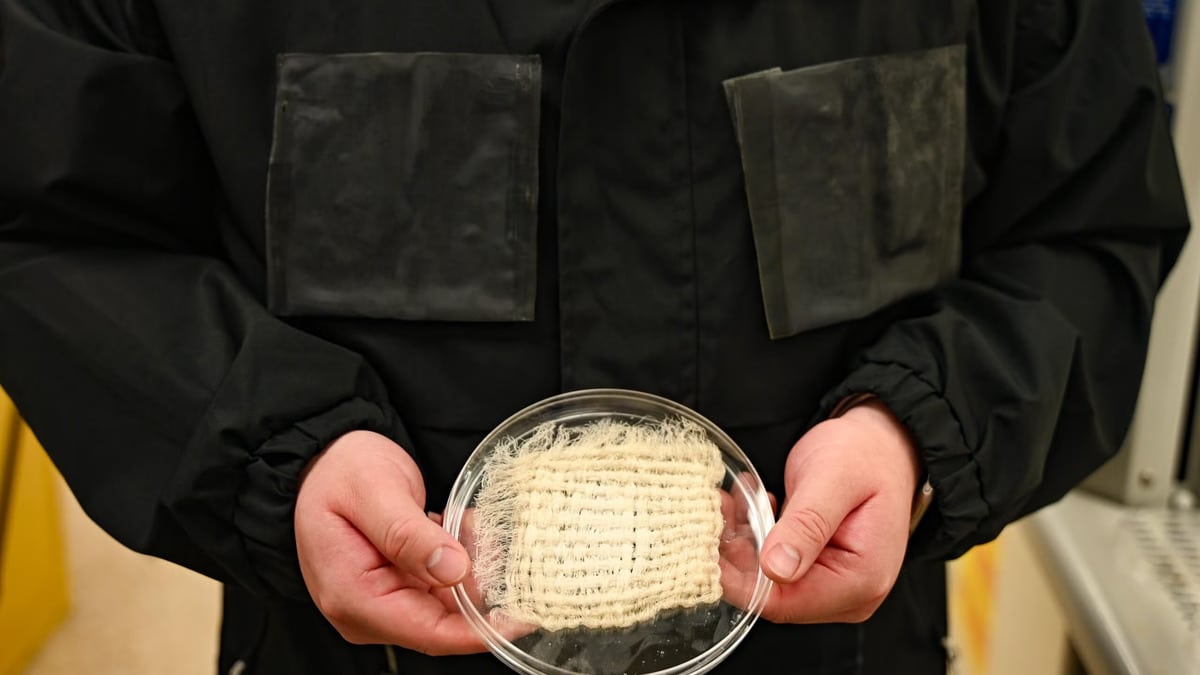
Engineers at the University of Texas at Austin have engineered a revolutionary water-harvesting jacket that extracts clean drinking water directly from the atmosphere. This wearable system serves as a strategic baseline for personal hydration, generating between 400 and 900 millilitres of water daily depending on humidity levels. Consequently, this innovation provides a vital resource for emergency responders, military personnel, and outdoor professionals operating in resource-constrained environments.
The Mechanics of the Water-Harvesting Jacket
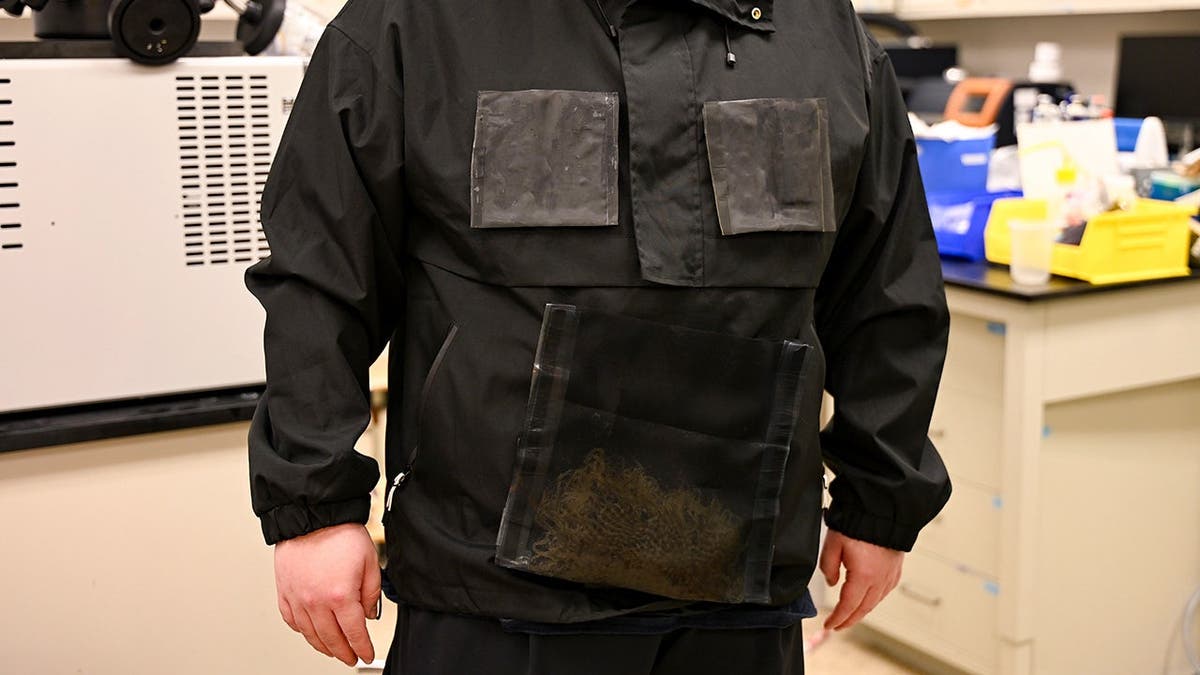
Unlike traditional, stationary atmospheric water-harvesting systems that rely on bulky panels, this precision technology integrates directly into textile fibers. Researchers calibrated the material to facilitate an efficient moisture transport path rather than simply increasing absorption capacity. Specifically, water transitions from vapor in the air to liquid on the fiber surface before moving into detachable collection units. Furthermore, users can heat these units in a foldable collector to release the captured moisture as liquid water.
The Translation: Simplified Logic
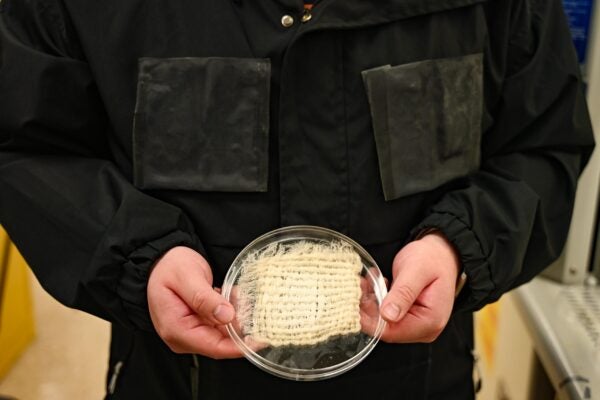
The “Next Gen” logic behind this water-harvesting jacket lies in its molecular efficiency. Traditional materials act like sponges that hold onto water, making it difficult to extract. In contrast, this new textile acts more like a high-speed transit system for molecules. By creating a specific “pathway” through the fabric, the system moves moisture through the fibers three to ten times faster than conventional materials. This allows the technology to function effectively in a portable, wearable format rather than being confined to a laboratory setting.
Socio-Economic Impact: Water Security for Pakistan
How does this development change the daily life of a Pakistani citizen? For rural farm workers in Sindh or disaster-response teams in mountainous regions, this technology represents a decentralized lifeline. As water infrastructure faces structural challenges across Pakistan, wearable water-harvesting tools offer a baseline of safety. In addition to individual use, incorporating this material into tents and emergency shelters could stabilize drinking water access during floods or droughts, reducing the burden on centralized utility systems.
Advanced Hydrogel Systems and Efficiency
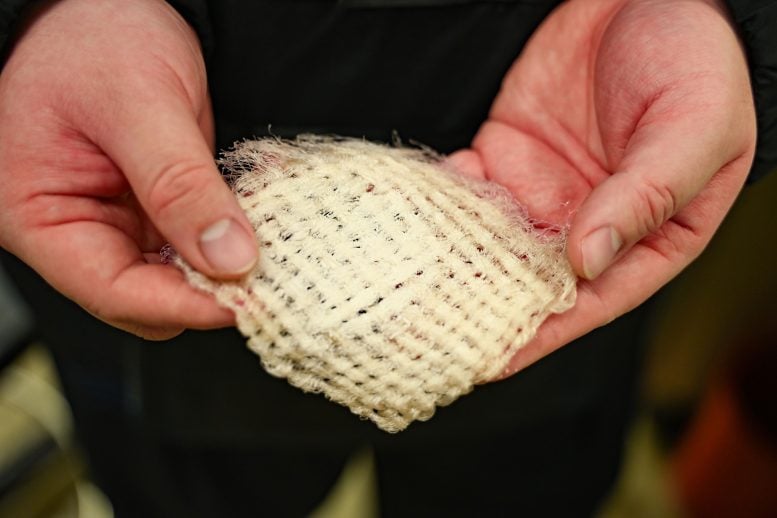
The research team also developed a separate solar-powered device using engineered hydrogel fabric derived from biomass. During field testing in the arid Chihuahuan Desert, this device achieved record collection levels of 1.3 litres per day. Because the system utilizes sunlight to release moisture, it operates with zero external power requirements. This dual-track innovation—both wearable and solar-fixed—positions the technology as a catalyst for resilience in the Middle East and South Asia.
The Forward Path: A Momentum Shift
In our expert view, this development represents a Momentum Shift for global water security. While many “green” technologies remain theoretical, the transition from lab-scale tests to a wearable, field-ready prototype indicates high technological readiness. Moving forward, the strategic integration of these materials into standard-issue gear for outdoor laborers and emergency kits will provide a critical buffer against water scarcity. This is a structural leap toward decentralized resource independence.








