The global medical landscape is currently witnessing a structural shift in sensory restoration. A calibrated clinical trial conducted across eight sites in China recently demonstrated that gene therapy for deafness can successfully restore hearing in 90% of patients. By targeting the underlying genetic architecture of OTOF mutations, researchers have successfully transitioned from mechanical sound processing to permanent biological system repair.
Engineering the Future of Auditory Precision
This strategic study involved 42 participants, including children as young as nine months. Consequently, the data reveals a profound recovery rate, as hearing improvements typically stabilized within one year of the one-time procedure. Furthermore, ten participants maintained their hearing levels for over two years, with many now capable of perceiving normal conversational speech at 50–60 decibels. Some exceptional cases even regained the ability to hear whispers, marking a high-precision success for the gene therapy for deafness protocol.

The Biological Mechanism of the OTOF Gene
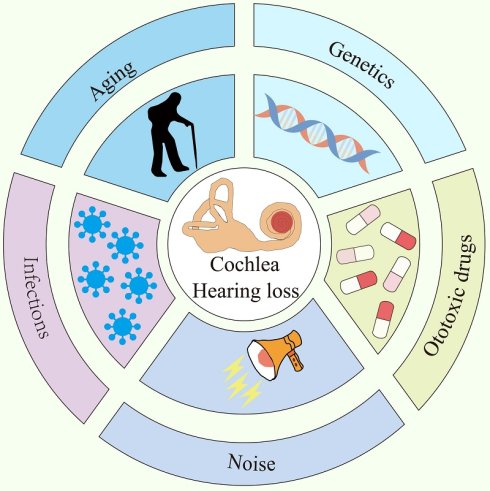
Congenital hearing loss affects approximately 1.5 in every 1,000 children globally. Specifically, 8% of these cases stem from mutations in the OTOF gene, which facilitates the production of otoferlin. This critical protein enables inner ear hair cells to convert sound vibrations into neural signals. This innovative therapy utilizes harmless viruses to deliver functional gene copies directly into the inner ear. Unlike cochlear implants that require ongoing mechanical maintenance, this biological intervention recalibrates the body’s own cellular machinery.
The Translation: Contextualizing the Breakthrough
In simple terms, traditional cochlear implants act as “hardware” workarounds that bypass damaged cells. In contrast, gene therapy for deafness acts as a “software update” for the patient’s DNA. It instructs the ear to grow the necessary proteins it was missing from birth. By fixing the root cause rather than managing the symptoms, this procedure eliminates the need for lifelong external devices and surgical replacements.
The Socio-Economic Impact: Changing Pakistani Lives
For the average Pakistani household, congenital deafness often leads to significant educational and economic barriers. This development offers a catalyst for national advancement. If scaled, a one-time genetic intervention could drastically reduce the long-term healthcare costs associated with disability support. Consequently, students who previously faced social isolation can now integrate into mainstream education systems, thereby enhancing the nation’s human capital and workforce productivity.
The Forward Path: A Momentum Shift
This development represents a definitive Momentum Shift in global medicine. We are moving away from managed disability toward curative precision. While cochlear implants will remain a baseline for many, the durability of gene-based repair suggests that we are entering an era where sensory loss is no longer an irreversible baseline. Future research must now focus on scaling this technology to ensure it becomes a strategic asset for healthcare systems in developing nations.