The global automotive industry is witnessing a strategic pivot as Horse Powertrain unveils a revolutionary hybrid engine system ahead of the 2026 Beijing Auto Show. This innovation, specifically the X-Range C15 Direct Drive, permits manufacturers to convert existing battery-electric architectures into versatile hybrids. By eliminating the necessity for a complete structural redesign, this technology serves as a precision catalyst for automakers navigating shifting market demands.
The Architecture of the Hybrid Engine System
The UK-based supplier Horse Powertrain, supported by Renault and Geely, calibrated this system to integrate seamlessly into current electric vehicle (EV) platforms. Consequently, manufacturers can utilize a singular baseline architecture to produce battery-electric vehicles, traditional hybrids, and plug-in variants. This strategic flexibility drastically reduces the high capital expenditure typically associated with major engineering overhauls.
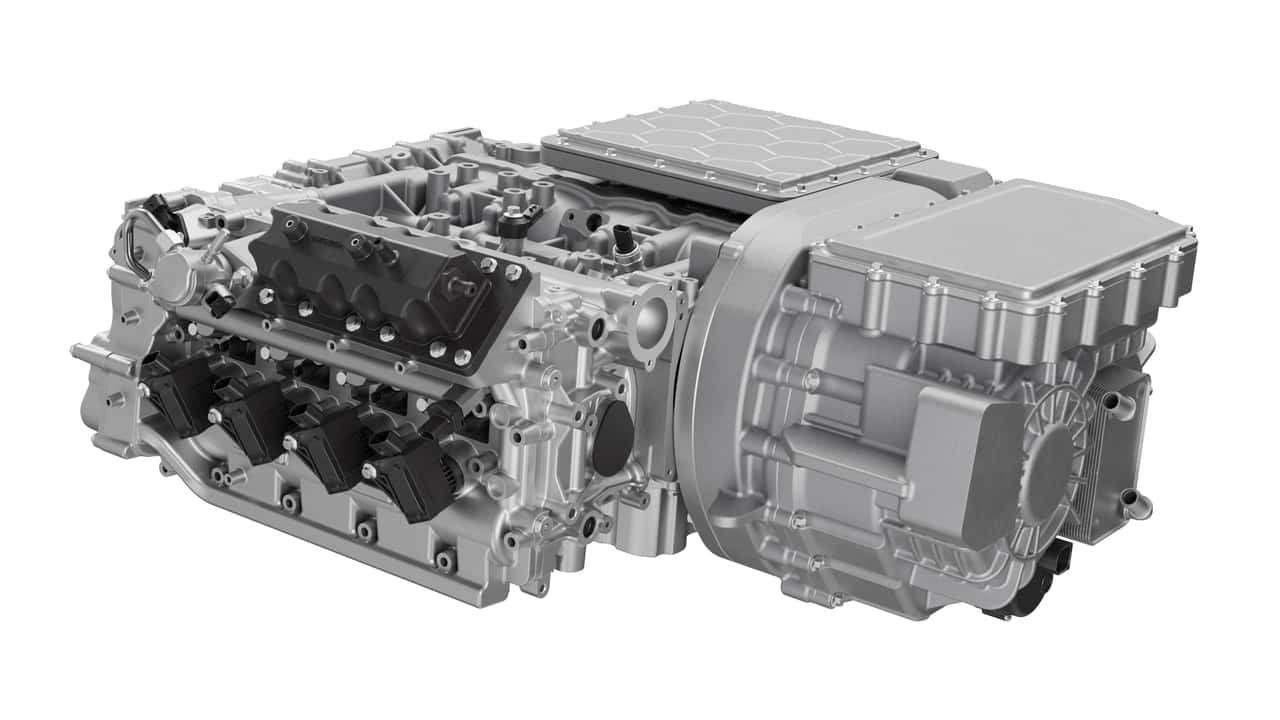
The technical configuration of the X-Range C15 includes a 1.5-liter four-cylinder engine paired with two high-efficiency electric motors. One motor functions as a dedicated generator, while the other powers the transmission output shaft directly. This allows the vehicle to operate in a series-hybrid mode, where the electric motor provides propulsion while the engine maintains the energy baseline.
Scalable Power and Performance Baseline
- Standard Configuration: Optimized for rear-wheel-drive efficiency.
- AWD Capability: Automakers can integrate an additional front-drive unit for all-wheel-drive performance.
- Engine Options: A 95-horsepower naturally aspirated version for compact cars and a 160-horsepower turbocharged version for larger platforms.
- Operational Efficiency: The companion H12 concept targets fuel economy reaching 71.3 mpg under WLTP protocols.

The Translation: Contextualizing Modular Powertrains
In technical terms, the “platform” of a car is its most expensive asset. Previously, switching from a purely electric design to a hybrid required expensive and time-consuming modifications to the chassis and battery housing. The X-Range C15 solves this by acting as a “plug-and-play” module. It fits where the electric components usually sit, allowing car companies to change their production mix on the fly based on what customers are actually buying.
Socio-Economic Impact: What This Means for Pakistan
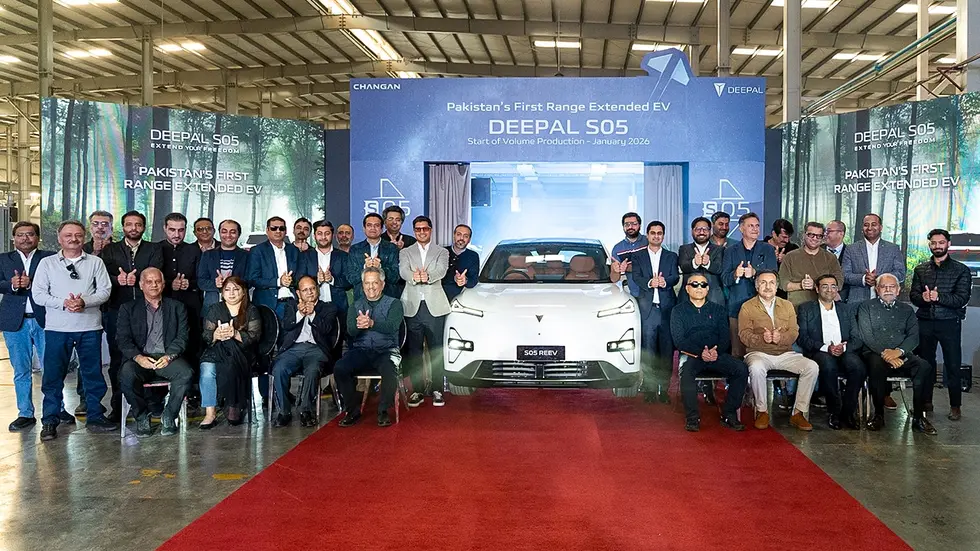
For the Pakistani consumer, this development addresses the primary barrier to EV adoption: charging infrastructure. By allowing manufacturers to produce “range-extended” EVs on existing platforms, we may see a surge in vehicles that offer the fuel efficiency of an EV with the reliability of a petrol engine. Furthermore, this modular approach keeps manufacturing costs low, which could translate to more competitive pricing in the local market for advanced electrified vehicles.
The Forward Path: Our Expert Analysis
We categorize this development as a significant Momentum Shift. The ability to decouple vehicle design from specific fuel types is a structural victory for the industry. Instead of choosing between “all-in” on EVs or staying with combustion engines, manufacturers now have the tactical agility to survive a volatile energy transition. This system represents the precision engineering required to make sustainable transport economically viable in developing markets like Pakistan.