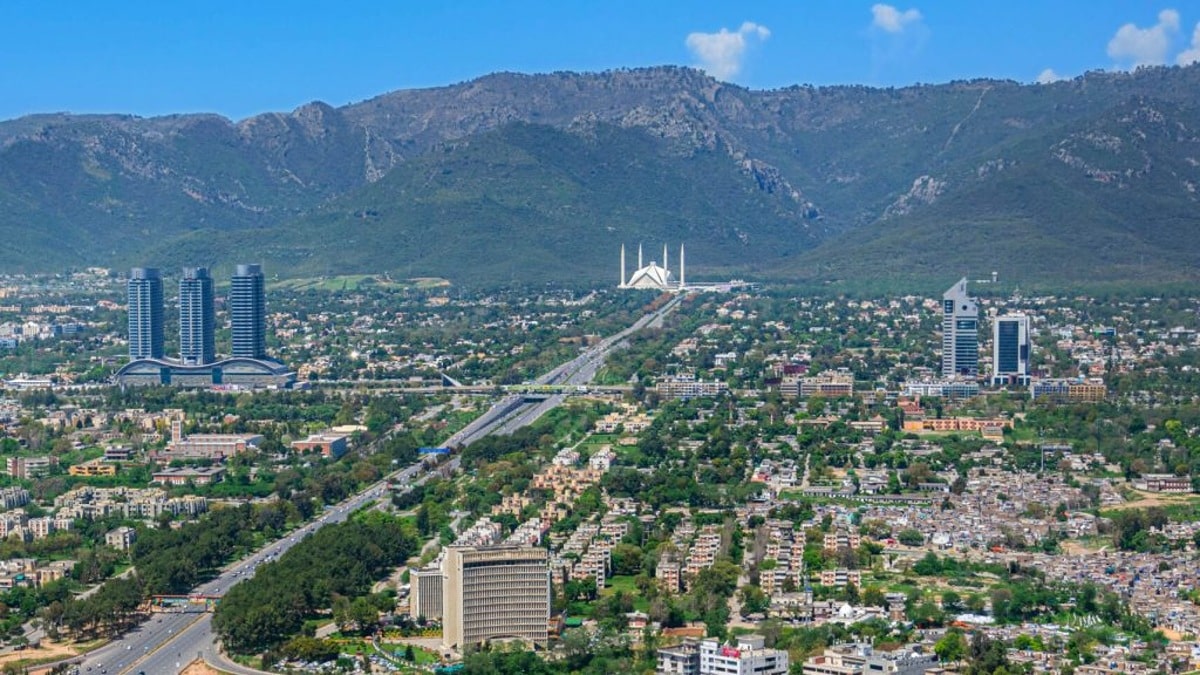
Interior Minister Mohsin Naqvi has officially accelerated the Islamabad Expressway project, demanding completion within a few months rather than the originally forecasted one-year timeline. This strategic shift aims to optimize urban mobility and enhance the structural efficiency of the twin cities’ most critical transport artery. Consequently, authorities have been mobilized to prioritize speed and transparency without compromising engineering standards.
The Technical Breakdown of the Islamabad Expressway Project
The rehabilitation effort focuses on a high-traffic 8.25-kilometer stretch extending from Faizabad to Koral Chowk. To facilitate a precision-driven traffic flow, the project integrates several structural upgrades designed to eliminate existing bottlenecks. The core developments include:
- Six Carriageways: Expanded lanes to accommodate higher vehicle volume.
- New Underpass: Engineered to streamline local traffic intersections.
- Modern Flyover: A strategic addition to reduce signal wait times along the main route.
- Service Road Rehabilitation: Full restoration of the deteriorated service lanes to support local transit.
Operational Precision and Oversight
During a site inspection, Naqvi emphasized that the government will not tolerate delays in this calibrated infrastructure rollout. He conducted a comprehensive review alongside the Chief Commissioner and Deputy Commissioner of Islamabad to ensure the deployment meets baseline quality metrics. Moreover, the project is framed as a catalyst for regional economic connectivity.
The Situation Room Analysis
The Translation (Clear Context)
In technical terms, this is a shift from “maintenance” to “strategic expansion.” By compressing the timeline from twelve months to a few, the administration is attempting to minimize the opportunity cost of traffic congestion. The logic is simple: every day of construction delay costs the economy millions in fuel and lost productivity.
The Socio-Economic Impact
For the average citizen in Islamabad and Rawalpindi, this development is a direct intervention in their daily quality of life. Shorter commute times translate to lower fuel expenditures for households and faster logistics for local businesses. Specifically, students and healthcare professionals will benefit from a more predictable transit baseline, reducing the stress of urban gridlock.
The Forward Path (Opinion)
This development represents a Momentum Shift. Moving away from traditional, lethargic infrastructure timelines indicates a new era of administrative accountability. If the authorities maintain this level of precision and speed, it could serve as the architectural blueprint for future high-impact projects across Pakistan.