The strategic Pakistan US Iran truce, an initiative calibrated for regional de-escalation, has catalysed significant political instability for Israeli Prime Minister Benjamin Netanyahu. Facing intensified domestic unrest and escalating international pressure, Netanyahu’s administration is at a critical juncture following what global media describes as Israel’s suboptimal handling of the recent Gulf War situation. This development underscores the intricate interplay of diplomacy and internal political dynamics, placing the Prime Minister’s political survival in sharp focus.
The Translation: Decoding Regional Diplomatic Shifts
This evolving geopolitical landscape demands precise contextualization. The ceasefire, brokered with Pakistan’s diplomatic backing between the United States and Iran, was engineered to mitigate escalating tensions in the Gulf. Consequently, it introduced a new baseline for regional security. Netanyahu’s current predicament stems directly from Israel’s perceived missteps during the conflict and the subsequent public dissatisfaction regarding the truce’s effectiveness. Recent surveys conducted by Israeli media reveal deep societal divisions, with approximately 58% of Israelis expressing skepticism about the war’s outcomes and the ceasefire’s efficacy. This data illustrates a systemic challenge to the current leadership’s strategic calibration.
The Socio-Economic Impact: Calibrating Public Sentiment in a Volatile Landscape
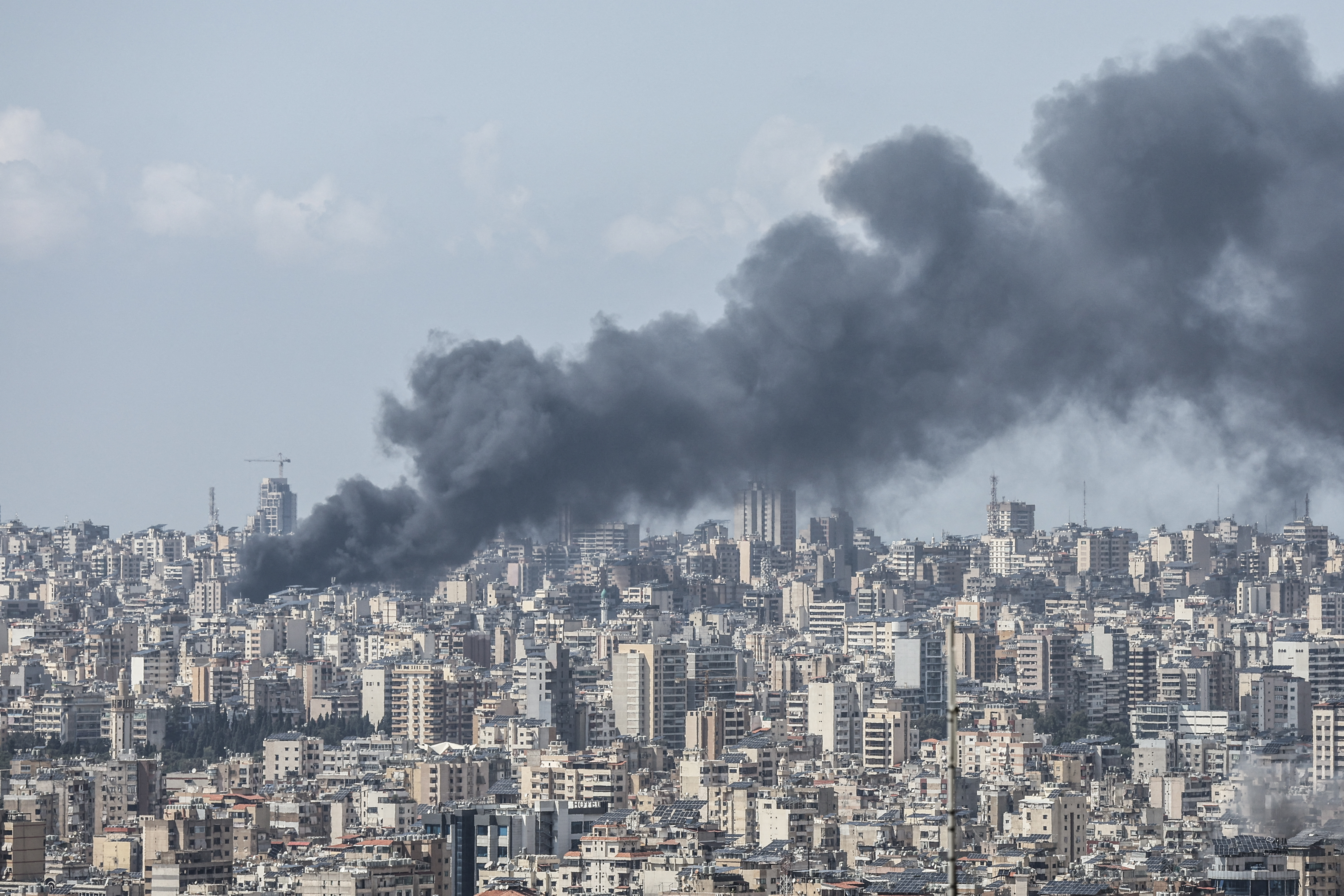
For the average Pakistani citizen, particularly those observing regional stability, the ramifications of such a truce are indirect yet structural. A stabilized Middle East inherently reduces energy price volatility and ensures smoother trade routes, directly influencing household budgets and professional opportunities. Conversely, Israeli citizens face immediate and acute dilemmas. Public sentiment, as indicated by recent polls, shows a stark contrast:
- Hawkish Stance: 79% support continued military operations against Hezbollah in Lebanon.
- Peace Advocacy: 21% advocate for a permanent cessation of all skirmishes.
This calibrated analysis presents a significant challenge for Netanyahu’s leadership, as his closest aides report he struggles to reconcile public demands for aggressive military action with the international imperative for regional peace.
Furthermore, global calls for restraint are intensifying. The United States, Canada, and Germany have urged Israel to strictly uphold the Pakistan US Iran truce and prevent any further escalation. These international partners project that renewed conflict risks triggering a wider regional war, potentially inflicting irreparable damage to Israel’s diplomatic standing and economic stability. Therefore, the strategic choices made now will structurally impact both regional and global dynamics.

The “Forward Path”: Assessing a Potential Momentum Shift
This confluence of domestic dissent and international diplomatic pressure suggests a pivotal moment. The current situation represents a Momentum Shift rather than a mere Stabilization Move. The Pakistan US Iran truce has not just altered regional alliances; it has critically exposed internal fissures within Israel’s political fabric. The widespread public skepticism regarding the war’s outcome, coupled with the strong divergence on military action, indicates a fundamental shift in the baseline of political expectations. Consequently, a new leadership paradigm might emerge, seeking a more calibrated and efficient approach to both national security and international relations. This systemic recalibration is essential for long-term regional advancement.