
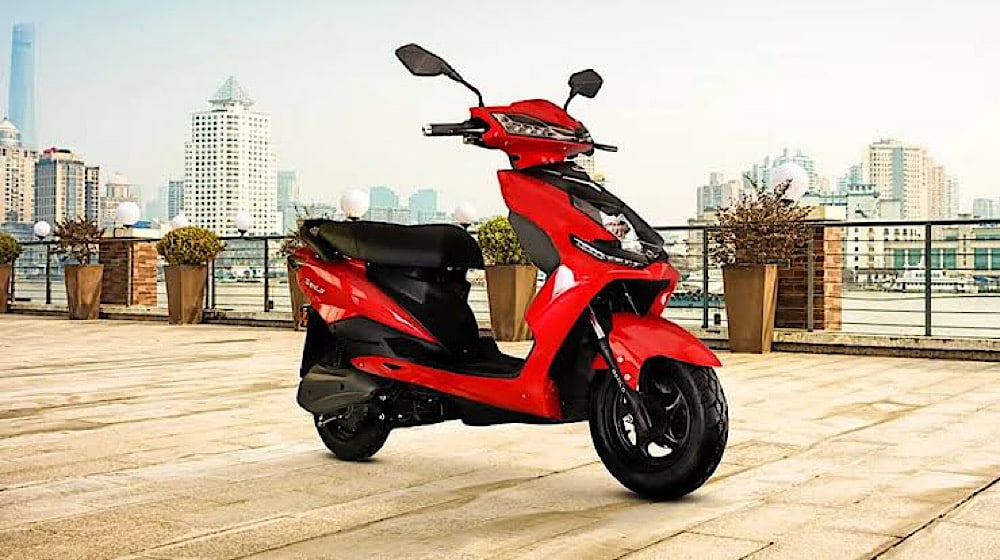
The federal government has officially calibrated a strategic shift toward sustainable mobility by launching the Electric Bike Subsidy program for nearly 100,000 employees. This initiative targets a drastic reduction in the national oil import bill while modernizing the daily commute for public sector workers. By integrating precision financing with green technology, the state aims to mitigate the impact of rising international oil prices on the national treasury.
Strategic Allocation: Understanding the Electric Bike Subsidy
The Engineering Development Board has architected a framework to distribute 76,000 electric bikes to eligible participants across the country. Currently, this proposal awaits final validation at the Prime Minister’s Office to trigger the disbursement phase. Consequently, the government will provide a substantial subsidy of Rs. 80,000 per unit to ensure affordability for the workforce.
The financial structure of the Electric Bike Subsidy is divided into two distinct components:
- Interest Support: Rs. 30,000 is paid directly to partnering banks to offset interest costs on installment plans.
- Direct Assistance: Rs. 50,000 is transferred to the applicant’s verified bank account to cover the initial purchase cost.
Application Protocol and Eligibility Standards
Employees whose payroll is processed through the Accountant General Pakistan Revenues (AGPR) qualify for this structural advancement. Applicants must provide a formal AGPR verification letter to initiate the process. Notably, the government has waived the requirement for personal guarantees, streamlining the path to ownership for thousands of civil servants.
Furthermore, the program includes specific inclusion metrics:
- Journalist Quota: A dedicated allocation for media professionals on a self-financed basis.
- Gender Parity: A specialized quota for female journalists will launch during the second phase of the rollout.
- Registration Requirement: The state will only release the subsidy funds once the bike is officially registered in the applicant’s name.
The Situation Room Analysis
The Translation
This policy is not a traditional cash grant. Instead, it is a calibrated financial instrument designed to lower the barrier to entry for EV technology. By splitting the Electric Bike Subsidy between interest coverage and direct cash, the government ensures that both the banks and the employees remain incentivized to maintain the payment cycle.
The Socio-Economic Impact
This development directly impacts the disposable income of Pakistani households. By removing the volatility of fuel prices from the monthly budget, professionals can redirect savings toward healthcare or education. Moreover, the massive influx of 76,000 electric bikes will serve as a catalyst for urban air quality improvement in high-density regions.
The Forward Path
We categorize this move as a Momentum Shift. This represents a transition from reactionary fuel subsidies to proactive infrastructure investment. If the AGPR and NADRA verification systems successfully stabilize after Phase 1 technical hurdles, this could provide the baseline for a nationwide transition to electric vehicle dominance.








