
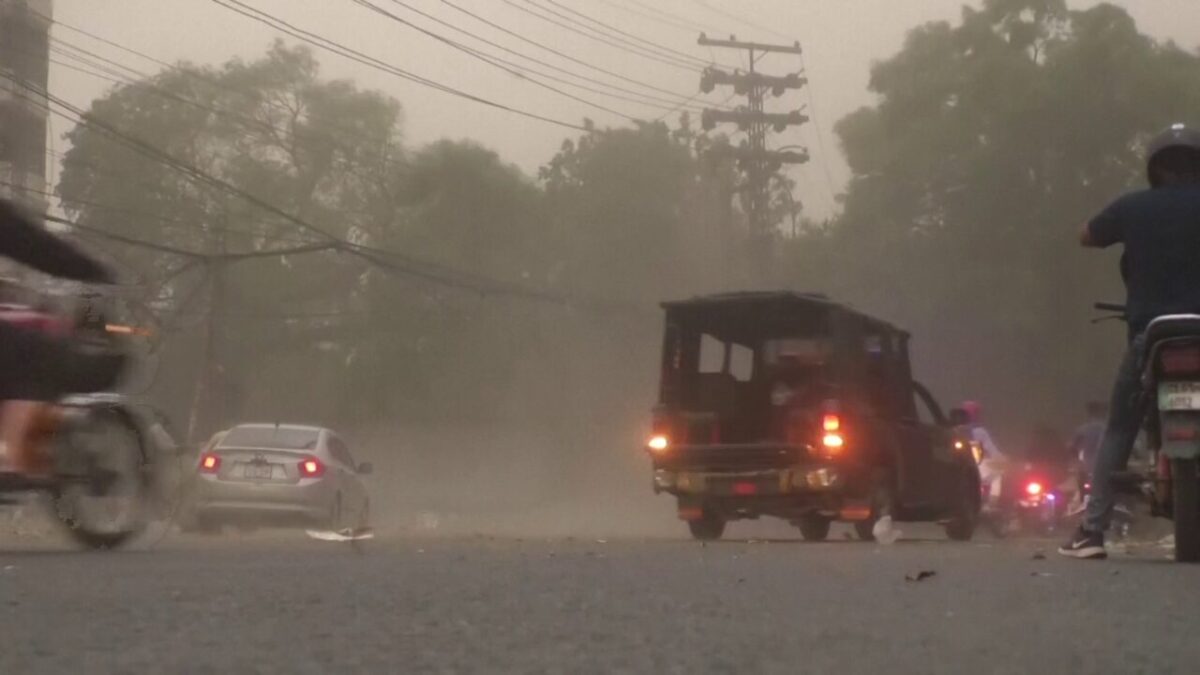
National resilience requires precise data and rapid structural coordination to withstand environmental stressors effectively. The National Disaster Management Authority (NDMA) recently issued a critical NDMA weather alert, signaling a high-stakes 24-hour window for the entire federation. Data from the National Emergencies Operation Centre (NEOC) confirms that heavy rainfall, dust storms, and urban flooding risks will likely catalyze structural challenges across multiple provinces. Consequently, authorities have calibrated emergency protocols to mitigate potential damage to infrastructure and public safety.
Strategic Risk Assessment: Mapping the Weather Frontier
The current meteorological baseline suggests a multi-dimensional threat profile affecting diverse topographies. In the northern territories, including Gilgit-Baltistan (GB), Khyber-Pakhtunkhwa (KP), and Azad Jammu and Kashmir (AJK), the risk of Glacial Lake Outburst Floods (GLOFs) has reached an elevated threshold. Furthermore, intense precipitation will likely trigger landslides, potentially severing critical supply chains. In the urban corridors of Punjab and Sindh, the focus shifts to hydraulic pressure on drainage systems.
- High-Risk Urban Centers: Lahore, Rawalpindi, Faisalabad, and Gujranwala face imminent urban flooding threats.
- Northern Vulnerabilities: Murree and KP districts must prepare for rapid-onset flash floods.
- Southern Impact: Dust storms and heavy winds will likely disrupt power grids in Sindh and Balochistan.

The Translation (Clear Context)
The NDMA weather alert is not merely a forecast; it is a synchronized warning based on seasonal precision modeling. When the NEOC mentions “GLOF risks,” they refer to the structural failure of glacial dams due to rapid temperature shifts or heavy rain. Similarly, “urban flooding” indicates that the volumetric capacity of our current city drainage cannot handle the predicted rainfall intensity. Understanding this logic allows citizens to transition from passive observation to proactive risk mitigation.
The Socio-Economic Impact
This weather event directly affects the daily operational efficiency of the average Pakistani citizen. For urban professionals, flooded thoroughfares mean lost productivity and potential vehicle damage. For rural households, particularly in mountainous regions, these conditions threaten livestock and physical property. Strategic travel delays are inevitable; therefore, the NDMA advises utilizing the “Pak NDMA Disaster Alert” application to maintain real-time situational awareness and avoid economic loss due to stranded logistics.
The “Forward Path” (Opinion)
This development represents a Stabilization Move. While the weather itself is a recurring seasonal stressor, the NDMA’s proactive dissemination of risk assessments reflects an evolving maturity in our national disaster management framework. We are moving away from reactive rescue operations toward a model of precision-based preparedness. To achieve true momentum, however, Pakistan must eventually transition these short-term alerts into long-term infrastructural climate resilience.








