
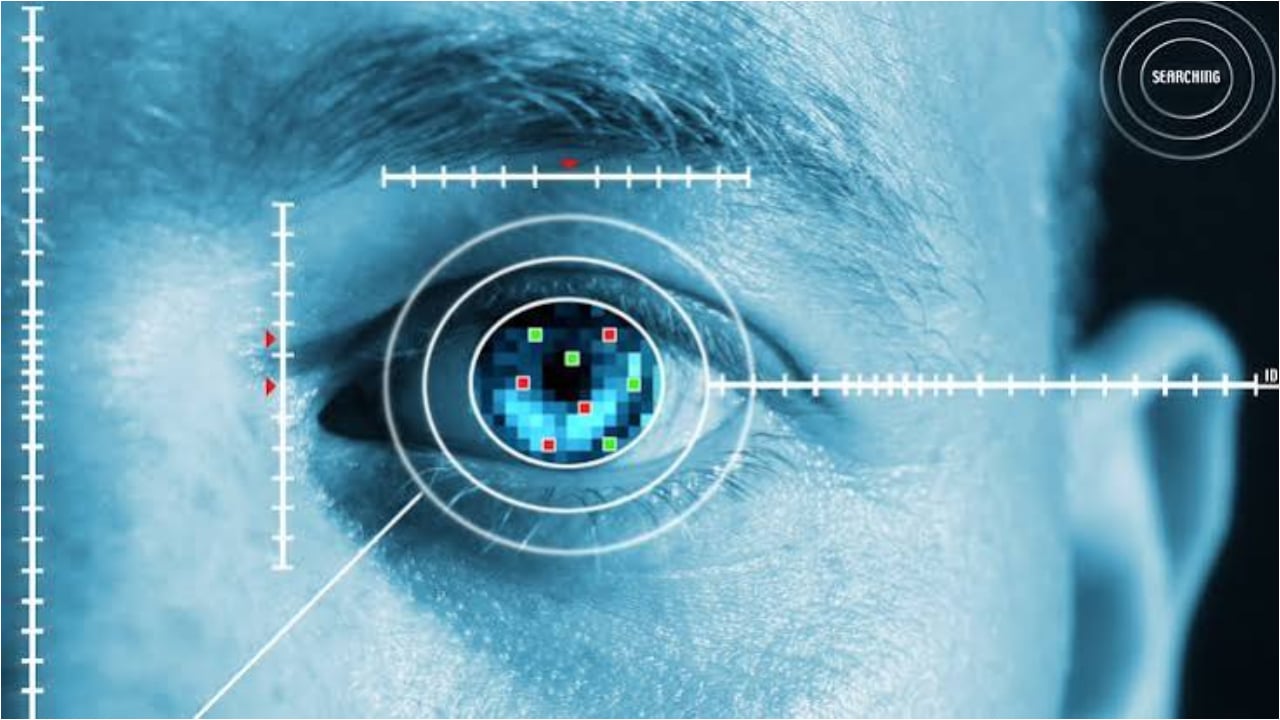
The National Database and Registration Authority (NADRA) has officially deployed its NADRA iris scan service across all national registration centers, establishing a more robust biometric baseline for every Pakistani citizen. Consequently, this initiative eliminates vulnerabilities inherent in traditional fingerprinting by utilizing unique ocular patterns. By offering this biometric upgrade free of charge, the state ensures that every citizen can access high-precision verification without financial barriers.
The Translation: High-Precision Ocular Logic
While fingerprints can wear down due to age or manual labor, the iris remains a stable and unique physiological marker. Specifically, the NADRA iris scan service captures the intricate mathematical patterns of the eye, which are virtually impossible to replicate or forge. This technological shift acts as a catalyst for a more reliable database. It creates a secondary authentication layer that works in tandem with existing thumbprints to verify identity with near-absolute certainty.

The Socio-Economic Impact: Protecting the Citizenry
For the average Pakistani household, this development provides a structural shield against identity theft and financial fraud. Parents who bring children aged three and above for iris registration are effectively securing their children’s digital futures. Furthermore, this accuracy accelerates access to government services and banking. Consequently, marginalized groups whose fingerprints may be difficult to read will now experience seamless verification, reducing bureaucratic delays in rural and urban sectors alike.

The Forward Path: A Momentum Shift in Security
This development represents a significant Momentum Shift for Pakistan’s digital infrastructure. By integrating iris recognition at no cost, NADRA is not merely maintaining the status quo; it is actively modernizing the national security framework. This precision-driven approach aligns Pakistan with global biometric standards. Therefore, we anticipate that this baseline will eventually facilitate smoother international travel and high-security digital transactions, marking a definitive step toward a more secure digital frontier.








