

The municipal administration of Murree has initiated a calibrated fiscal shift by implementing a new Murree street vendor tax. This strategic move targets local revenue optimization through a revised fee structure starting July 1, 2026. Consequently, the administration aims to modernize the baseline for municipal earnings while regulating the informal economy. This precision-driven policy will impact every mobile trader operating within the hill station’s primary commercial zones.
Analyzing the Impact of the Murree Street Vendor Tax
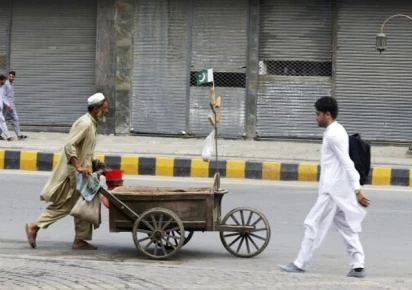
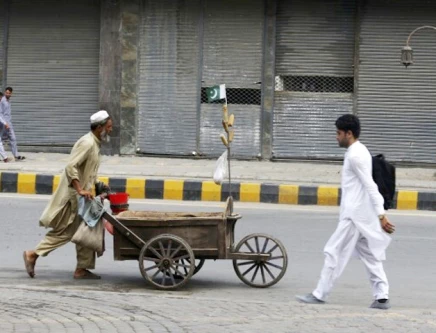
Under the new regulatory framework, mobile hawkers selling balloons, corn, and traditional snacks must pay a daily tax of Rs. 200. Specifically, this includes sellers of peanuts, chickpeas, and ice balls. Failure to comply with these calibrated rates will result in the immediate confiscation of goods and pushcarts. Furthermore, the Chief Officer of Municipal Corporation Murree confirmed that enforcement begins mid-2026, following a public objection period ending June 16.
Structural Adjustments in Municipal Services
The administration has also scaled charges for essential public services and commercial visibility. Public toilet fees will rise from Rs. 30 to Rs. 50 to facilitate better maintenance. Moreover, commercial signboard taxes have shifted from an annual baseline to a monthly precision model. Small shop owners will now face a monthly charge of Rs. 100 per square foot. In contrast, large company boards will maintain an annual rate of Rs. 300 per square foot.
Advertising and logistical costs have also undergone a strategic revision. For instance, six-foot banners now cost Rs. 500, while utility pole advertisements carry a price of Rs. 300 per square foot. Large-scale vehicle advertisements now require a daily payment of Rs. 20,000. Additionally, parking fees for cars and jeeps have doubled to Rs. 200 during the day and Rs. 300 at night, affecting all incoming tourist traffic.
The Translation (Clear Context)
The Murree municipal administration is transitioning from a passive fee collection model to an active revenue generation system. By taxing street vendors daily rather than sporadically, the government creates a consistent cash flow. This move clarifies the legal status of hawkers while simultaneously demanding a financial contribution to the city’s upkeep. Effectively, the administration is treating the public space as premium real estate that requires a subscription fee from those profiting from it.
The Socio-Economic Impact
For the average Pakistani citizen, these changes manifest as a higher cost of visiting Murree. Families will experience a “drip-feed” of increased expenses—from more expensive snacks to higher parking and toilet fees. For the street vendors, a daily tax of Rs. 200 represents a significant portion of their slim margins. While this may fund better infrastructure, it places a heavy burden on the lowest tier of the economic ladder who lack the safety net of fixed shops.
The Forward Path (Opinion)
This development represents a Stabilization Move with the potential for a Momentum Shift. While the immediate goal is fiscal stability through diversified revenue, the success of this policy depends on transparency. If the collected taxes directly fund sanitation and pedestrian safety, it will be a catalyst for Murree’s modernization. However, if the enforcement is purely punitive without improving the vendors’ working conditions, it may only serve to stifle local entrepreneurship.








