

Motorola is strategically expanding its foldable device portfolio with the anticipated launch of the Motorola Razr 70 Ultra. Recent intelligence leaks have meticulously detailed key specifications for this upcoming smartphone, offering a baseline for its capabilities. Consequently, an initial assessment reveals that while enhancements are present, the device primarily represents a calibrated iteration rather than a radical architectural overhaul from its predecessor.
Structural Design & Display Calibration for the Motorola Razr 70 Ultra
The Motorola Razr 70 Ultra is projected to unfold with precise dimensions of 171.48 x 73.99 x 7.19 mm and a structural weight of 199g. Fundamentally, this device integrates a expansive 7-inch inner folding display, calibrated for a high-fidelity resolution of 1224 x 2992 pixels. Furthermore, its external interface features a functional 4-inch cover display, offering a clear resolution of 1080 x 1272 pixels for quick interactions.

Precision Internals & Operating Framework
Under its refined chassis, the Motorola Razr 70 Ultra is expected to be powered by the Snapdragon 8 Elite chipset, slated for a 2024 release. This processing unit will reportedly be paired with a substantial 16GB of RAM, ensuring robust multitasking performance. Moreover, a generous 512GB of internal storage provides ample capacity for data and applications. Operationally, the device is slated to ship with Android 16 as its native software framework, offering the latest functionalities.

Imaging System & Optical Architecture
For advanced photographic capabilities, the Motorola Razr 70 Ultra is configured with a dual rear camera system. This robust setup comprises a primary 50MP sensor, optimized for detailed captures, alongside a 50MP ultrawide camera, designed for expansive field-of-view shots. Additionally, a dedicated 50MP front-facing camera is integrated to facilitate high-resolution selfies and clear video conferencing.

Power Module & Charging Protocol
The device is engineered to incorporate a 5,000mAh battery, providing a significant power reserve for extended usage. This substantial power module is complemented by support for 68W wired charging, enabling rapid energy replenishment. Comparatively, this battery capacity represents an approximate 6% increase over its predecessor’s 4,700mAh unit. Beyond this singular enhancement, the comprehensive leaked specifications indicate a pattern of minimal incremental upgrades from the previous model.

Durability Standards & Environmental Resilience
In terms of structural integrity and protection, the Motorola Razr 70 Ultra is anticipated to feature an IP48 rating. This critical certification signifies a degree of resistance against both dust ingress and water exposure, enhancing the device’s operational resilience in various environmental conditions. Therefore, users can expect a higher baseline of durability from this next-generation foldable device.
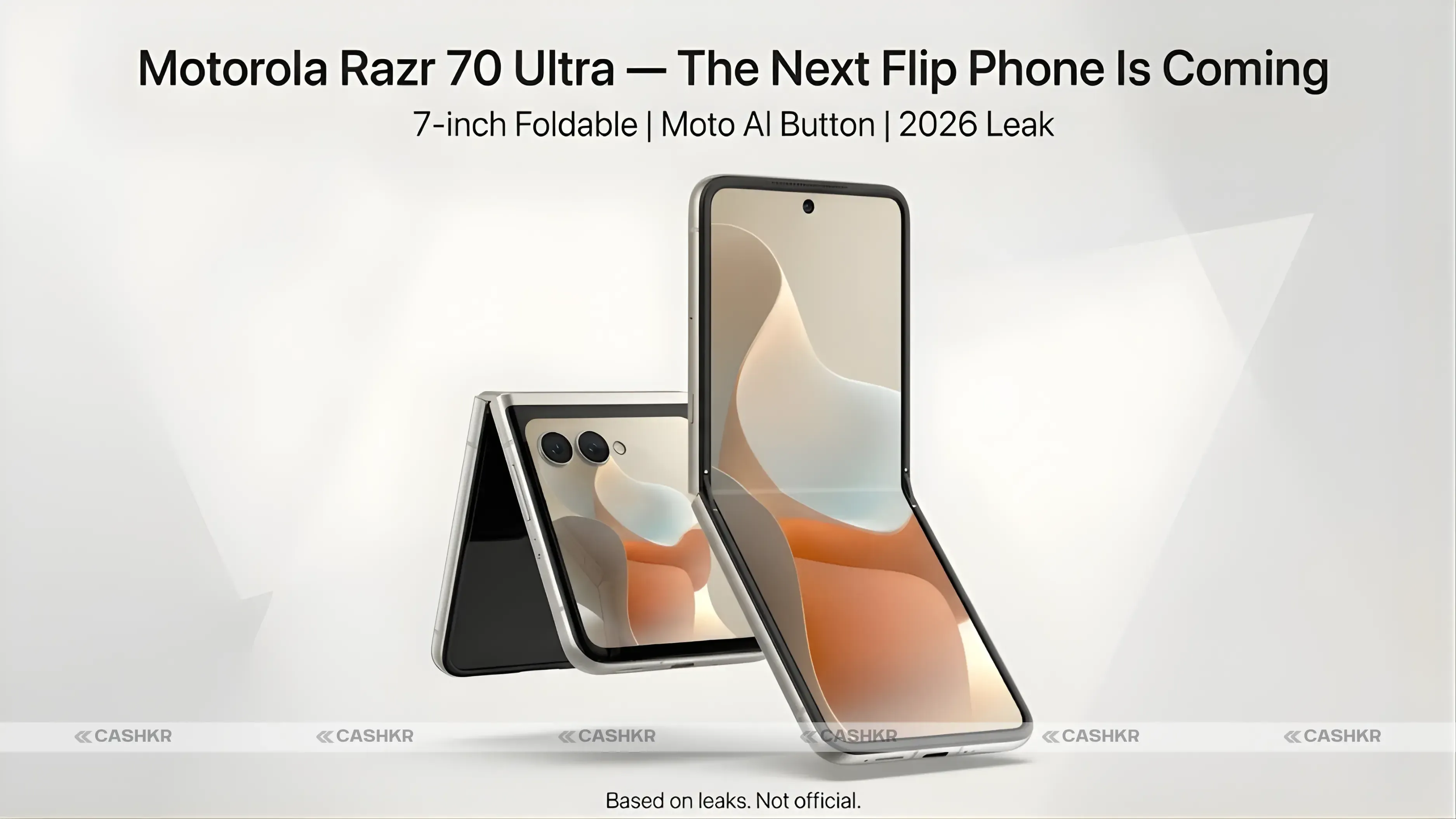
The Translation: Unpacking the Razr 70 Ultra for Pakistan’s Digital Horizon
For the average Pakistani citizen, the technical specifications of the Motorola Razr 70 Ultra translate into practical digital experiences. The larger displays, both inner and outer, offer enhanced visual real estate, making multimedia consumption and information access more immersive. The Snapdragon 8 Elite chipset implies superior processing power, which directly impacts application responsiveness and gaming performance. Essentially, this phone promises a fluid and efficient user experience, setting a new benchmark for foldable devices in the region.
Furthermore, the upgraded camera system means crisper photos and videos, crucial for social media engagement and preserving personal memories. The increase in battery capacity, albeit minor, offers longer operational times between charges, a vital consideration for users in areas with inconsistent power supply. Consequently, these improvements aim to provide a more reliable and enjoyable digital tool for daily life.
Socio-Economic Impact: How the Motorola Razr 70 Ultra Shapes Daily Digital Life
The introduction of advanced devices like the Motorola Razr 70 Ultra has a nuanced socio-economic impact across Pakistan. For students, enhanced processing power facilitates complex research and educational applications, potentially bridging digital divides. Professionals, particularly those in tech or creative fields, benefit from the multitasking capabilities afforded by 16GB RAM and substantial storage, increasing productivity on the go. Urban households will find the device a powerful tool for entertainment and connectivity.
In rural Pakistan, the improved durability and battery life contribute to greater utility in challenging environments. The ability to stay connected longer and withstand dust makes the device more practical for agricultural communities or those with limited access to charging infrastructure. Thus, while seemingly a premium product, its underlying advancements can incrementally improve digital inclusion and efficiency for various demographics.
The Forward Path: A Stabilization Move for Foldable Tech
This development concerning the Motorola Razr 70 Ultra represents a “Stabilization Move” within the foldable smartphone market, rather than a “Momentum Shift.” The incremental battery upgrade and the consistent integration of high-end components signify a focus on refining existing successful designs. This strategy aims to solidify Motorola’s position in the premium foldable segment by enhancing reliability and user experience, without introducing revolutionary form factors or technologies.
In contrast, a “Momentum Shift” would involve disruptive innovations that fundamentally alter user interaction or manufacturing processes. Therefore, this calibrated approach suggests a mature product cycle, where the emphasis is on optimization and market consolidation. This strategy is essential for building consumer trust in foldable technology’s long-term viability.








