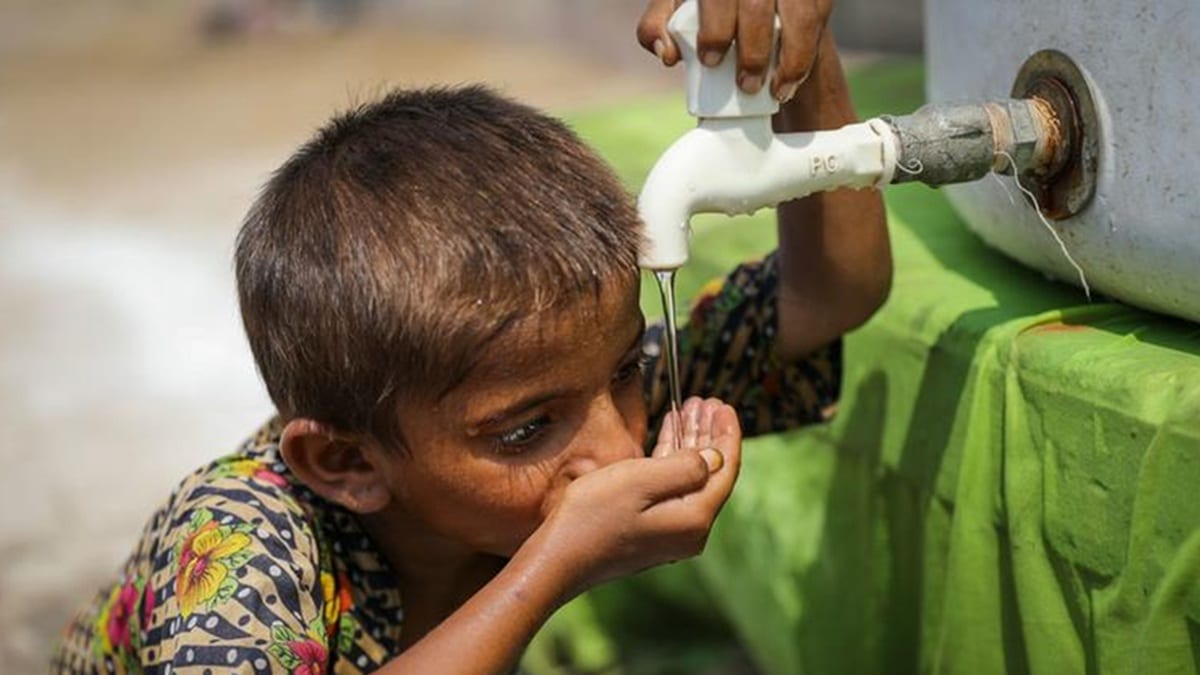
Pakistan faces a calibrated emergency as the availability of safe drinking water continues to plummet across the nation. Recent data from three United Nations reports reveals that more than half of the country’s population lacks access to safely managed water services. Consequently, this structural scarcity serves as a catalyst for a burgeoning public health crisis that threatens the national economic baseline.
The Structural Decline in Per Capita Water
The United Nations reports, released by UNESCO, WHO, UNICEF, and the UNDP, highlight a staggering 80% decline in annual per capita water availability since 1947. Federal Minister for Water Resources, Mian Muhammad Mueen Wattoo, confirmed these findings during a strategic briefing. He noted that while each citizen initially had access to 5,000 cubic meters of freshwater, that figure has now dropped below the 1,000 cubic meter threshold.
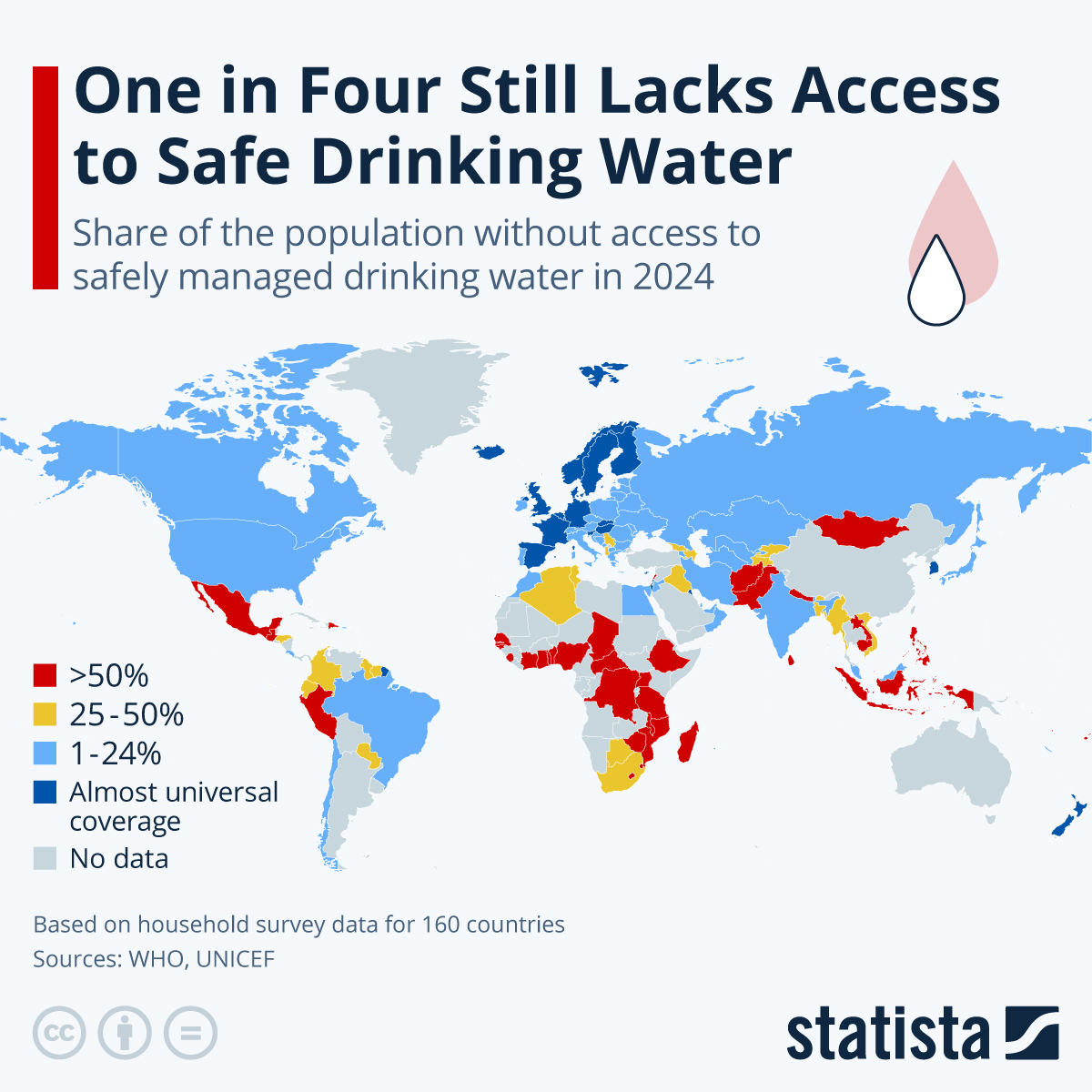
Furthermore, the UN World Water Development Report 2026 indicates that 55% of Pakistanis currently live without safe drinking water. This precision data underscores the growing water stress exacerbated by rapid population growth and shifting climate patterns. Limited financial resources also hinder the implementation of large-scale sanitation infrastructure in high-density urban zones.
Analyzing the Safe Drinking Water Crisis in Rural Zones
The crisis extends beyond consumption into the realm of hygiene and sanitation. Statistics show that 58% of residents in rural areas lack safely managed sanitation facilities. This deficiency creates a cycle of waterborne illness and environmental degradation. Moreover, the investment gap in the water sector remains a significant hurdle to achieving national stability and sustainable development goals.
The Translation (Clear Context)
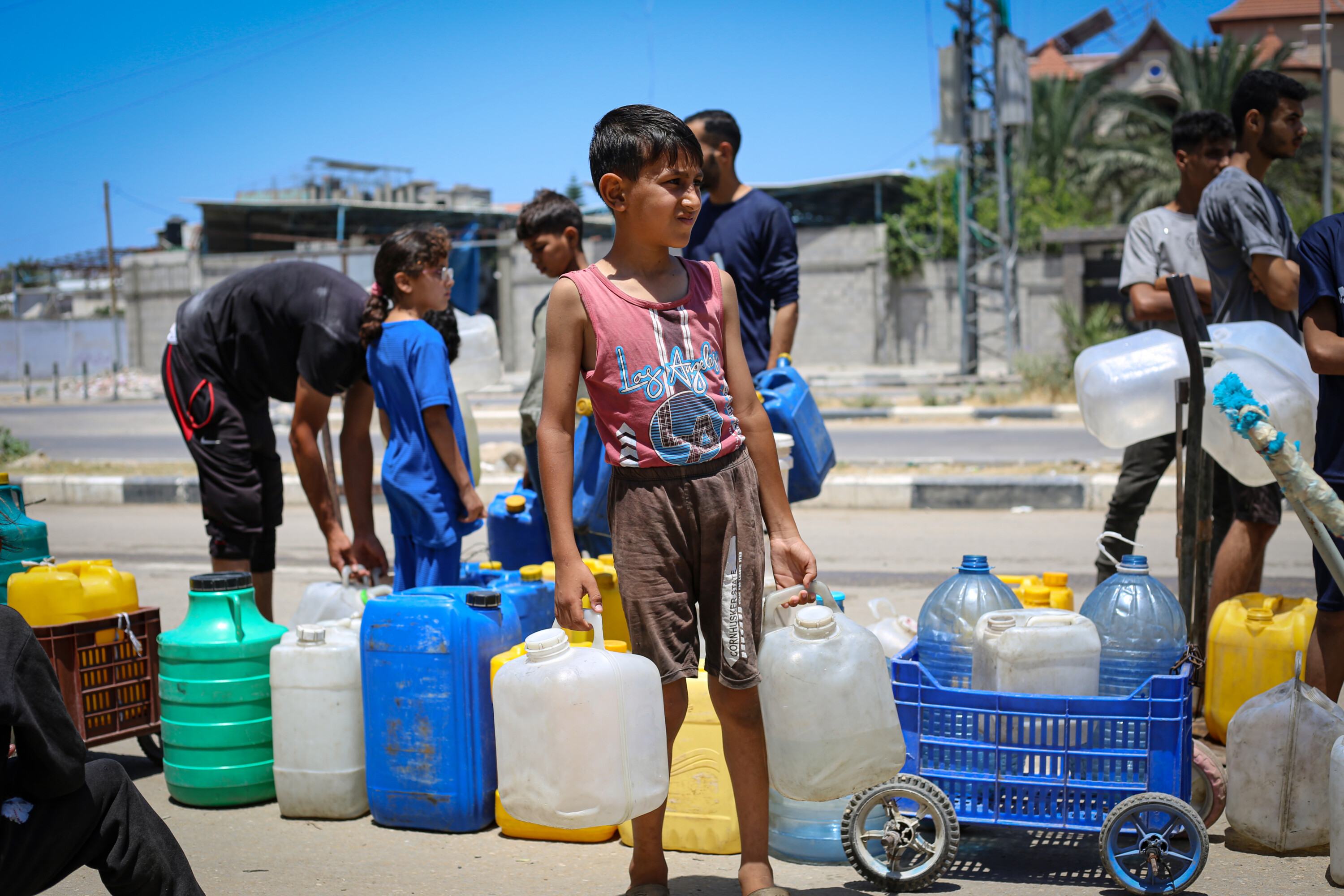
In “Next Gen” terms, the transition from 5,000 to 1,000 cubic meters represents a shift from water abundance to absolute scarcity. This is not merely a seasonal shortage but a structural failure of our supply-demand equilibrium. When the UN cites “safely managed” services, they refer to water that is free from contamination and available on-premises. Currently, our infrastructure fails to meet this baseline for every second citizen.

The Socio-Economic Impact
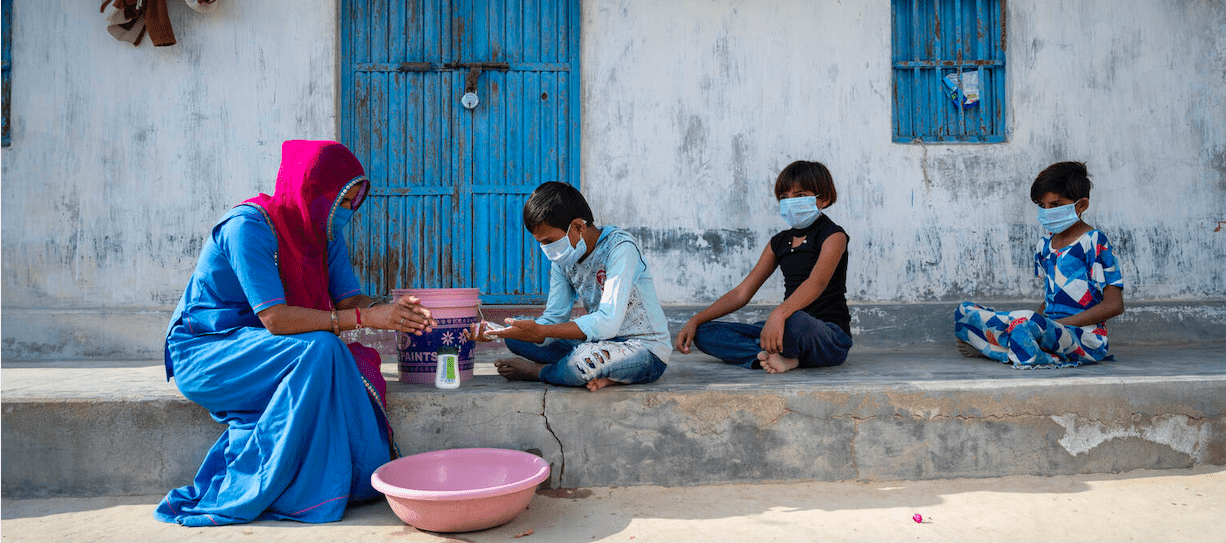
This development directly impacts the daily productivity of the Pakistani household. For professionals and students, water scarcity leads to increased healthcare costs and lost working days due to illness. In rural regions, the lack of safe drinking water forces families to spend hours daily fetching water, a task that disproportionately removes children from classrooms. Ultimately, this degrades the human capital necessary for Pakistan’s STEM-driven future.
The “Forward Path” (Opinion)
This situation represents a critical “Momentum Shift” toward national instability. To reverse this trajectory, Pakistan must transition from reactive management to a precision-engineered water strategy. We require calibrated investments in desalination, wastewater recycling, and smart-grid water distribution. Without a structural overhaul, our economic and social systems will face an inevitable baseline collapse.