

The recent Islamabad monkey invasion in Bahria Enclave represents a structural misalignment between urban expansion and ecosystem stability. Consequently, the displacement of Rhesus macaques from the Bari Imam region highlights a critical baseline failure in environmental management. Residents report that these animals have started snatching food and encroaching upon private residential perimeters.
The Translation: Habitat Disruption and Migration Logic
The Capital Development Authority (CDA) recently executed an extensive anti-encroachment drive. This operation targeted informal settlements within the Bari Imam belt, specifically Muslim Colony and Noorpur Shahan. While the drive intended to restore urban order, it simultaneously destroyed the calibrated habitat of local wildlife. Specifically, the demolition of shelters forced the monkey population to seek food sources in nearby affluent housing societies.
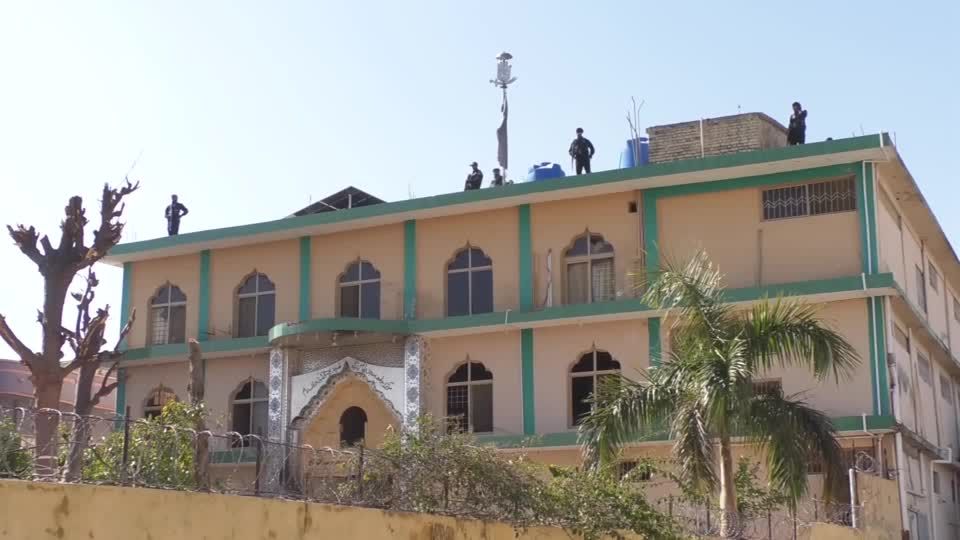
Rhesus macaques are native to the Margalla Hills. Traditionally, they maintain a stable presence near the Bari Imam Shrine. However, systematic habitat disruption acts as a catalyst for migration. When natural foraging grounds disappear, the species pivots toward human settlements where food density is higher.
The Socio-Economic Impact: Urban Safety and Household Stress
How does this development change the daily life of a Pakistani citizen? For residents in Islamabad’s expanding zones, the Islamabad monkey invasion introduces several precision risks:
- Physical Safety: Increased human-wildlife interaction elevates the risk of bites and disease transmission.
- Property Damage: Monkeys frequently damage garden infrastructure and external household fixtures.
- Psychological Stress: Families, particularly those with children, face heightened anxiety regarding outdoor safety.

The Forward Path: A Momentum Shift in Urban Planning
This situation represents a significant Momentum Shift in how we must view urban development. We can no longer treat “clearance drives” as isolated administrative actions. Every structural change to the landscape requires an ecological impact baseline. To stabilize the situation, the CDA and Islamabad Wildlife Management Board must deploy calibrated containment strategies. National advancement requires a synthesis of modern housing and preserved natural biodiversity. Without this integration, human-wildlife conflict will continue to compromise our urban efficiency.








