
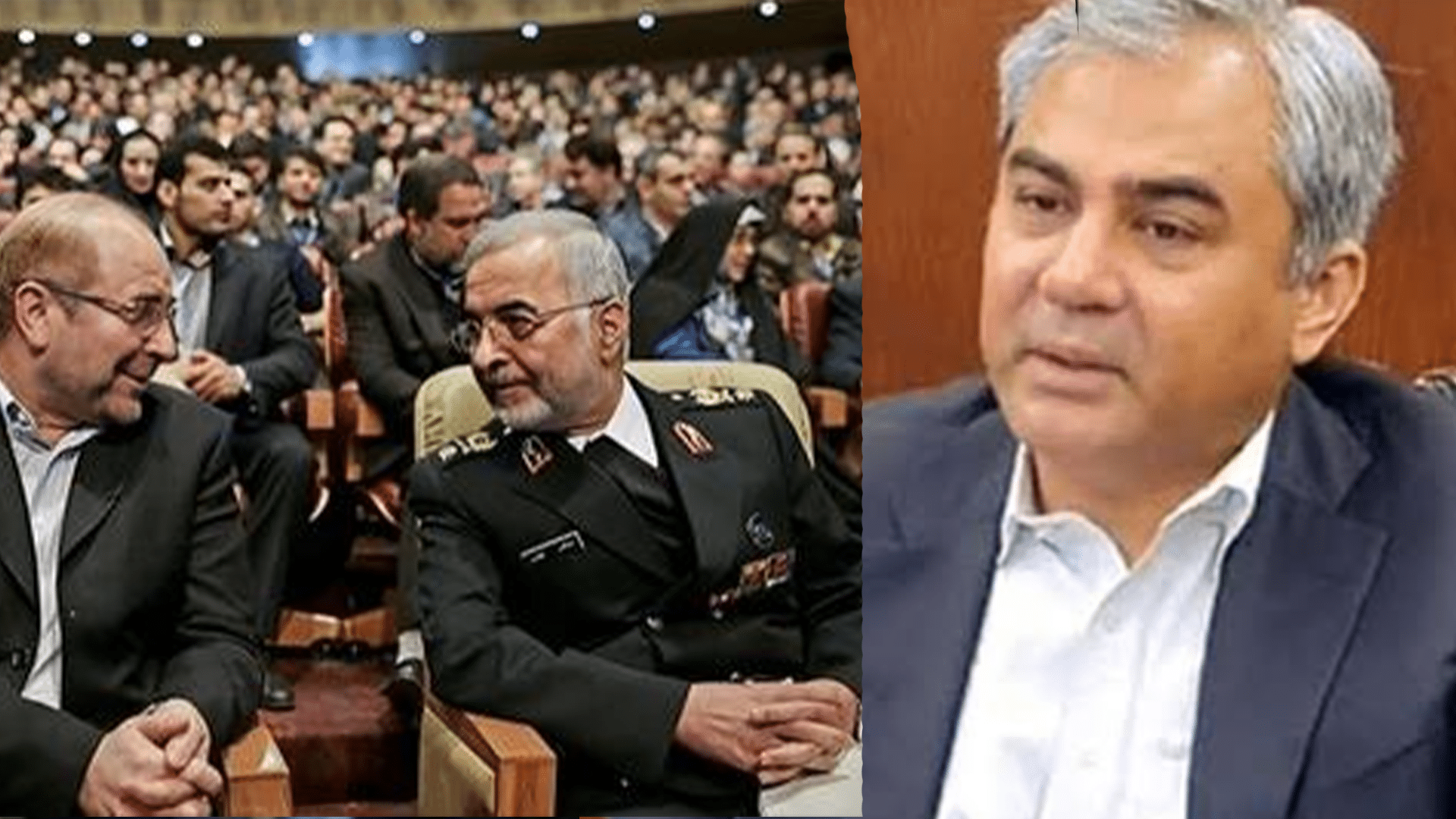
Next week, Interior Minister Mohsin Naqvi will lead a strategic delegation to meet Iranian Interior Minister Dr. Eskandar Momeni. This high-level summit focuses on reinforcing Iran-Pakistan security cooperation through calibrated diplomatic efforts. Consequently, both nations aim to stabilize the regional landscape and establish a precision-driven framework for mutual advancement following recent regional shifts.
Strengthening Iran-Pakistan Security Cooperation and Regional Trade
Minister Momeni’s visit represents a structural baseline for expanding engagement between the two neighboring interior ministries. Specifically, the ministers will exchange intelligence-backed perspectives on the current regional climate. They will evaluate the implications of the latest ceasefire agreements to ensure that national interests remain protected. Furthermore, the agenda prioritizes the following architectural pillars:
- Border Management: Implementing advanced protocols to ensure a secure and efficient transit corridor.
- Bilateral Trade: Removing structural barriers to facilitate a higher volume of economic exchange.
- Cybersecurity & Intelligence: Developing synchronized defenses against digital threats and regional instability.
- Counterterrorism: Calibrating joint operations to mitigate security risks across shared frontiers.

The Situation Room Analysis
The Translation (Clear Context)
While standard diplomacy often relies on vague rhetoric, these talks are focused on system efficiency. The reference to “ceasefire implications” signifies a strategic pivot; Pakistan and Iran are adjusting their security posture to fill power vacuums created by shifting regional conflicts. By enhancing Iran-Pakistan security cooperation, both ministries are effectively upgrading their “National Operating System” to prevent spillover instability from neighboring territories.
The Socio-Economic Impact
For the average Pakistani citizen, particularly those in border provinces and trade hubs, this development is significant. Enhanced security protocols lead to safer trade routes, which lower the cost of imported goods and energy. For professionals in cybersecurity and logistics, these talks signal new government mandates and investment in infrastructure. Ultimately, a stable border means that households in both urban and rural Pakistan experience lower inflation and increased physical safety.
The Forward Path (Opinion)
This engagement represents a Momentum Shift. Moving beyond mere border patrolling, the inclusion of cybersecurity and immigration reform indicates a forward-thinking approach to modern statecraft. If the interior ministries can successfully calibrate their counter-terrorism strategies, this will serve as a catalyst for long-term regional economic integration that has been stalled for decades.








