
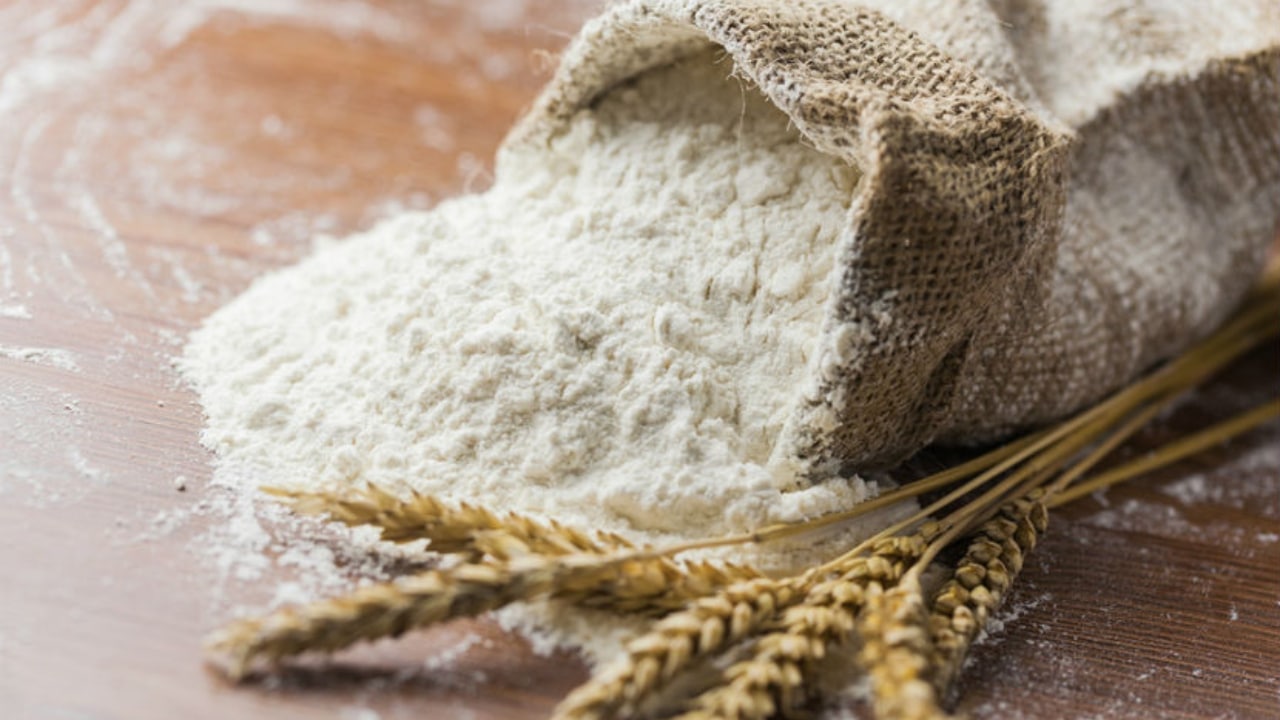
In a calibrated effort to stabilize the urban food supply chain, Karachi officials and the Pakistan Flour Mills Association have successfully negotiated a strategic flour price reduction. Consequently, the ex-mill rate for flour dropped by Rs. 8 per kilogram, shifting the baseline price from Rs. 133 down to Rs. 125. This structural adjustment represents a significant catalyst for immediate consumer relief across the city’s retail network.
Systemic Efficiency: Executing the Flour Price Reduction
Karachi Commissioner Syed Hassan Naqvi facilitated the precision negotiations following executive directives from Sindh Chief Secretary Syed Asif Hyder Shah. Key stakeholders, including PFMA Chairman Abdul Junaid and Sindh Food Secretary Ghulam Abbas, finalized the agreement at the Commissioner’s office. Furthermore, the participants emphasized that the new pricing tier must reach the wholesale and retail levels without delay.

The Pakistan Flour Mills Association also committed to establishing specialized fair-price stalls. These strategically placed outlets will provide direct access to the commodity at reduced rates. By bypassing traditional retail friction, these stalls ensure that the flour price reduction benefits the most vulnerable socio-economic segments immediately.
The Translation: Decoding the Price Shift
When “ex-mill” prices drop, it refers to the cost of the product as it leaves the manufacturing facility. In contrast to retail prices, which include logistics and middleman margins, the ex-mill rate serves as the primary floor for all market pricing. By lowering this baseline, the government forces a downward pressure on the entire supply chain. Therefore, citizens should expect a proportional decrease in the cost of a standard 10kg or 20kg flour bag at their local grocery stores within the next 48 hours.
The Socio-Economic Impact: Kitchen Budget Relief
This flour price reduction acts as a vital buffer for the average Pakistani household. Flour remains the primary caloric source for millions; thus, even a marginal decrease of Rs. 8 per kg results in significant cumulative monthly savings. For a standard family of six, this change could potentially lower the monthly grocery bill by hundreds of rupees. Consequently, this increase in disposable income allows families to allocate resources toward other essential needs like education or healthcare.

The Forward Path: Momentum Shift or Stabilization?
This development represents a Momentum Shift toward proactive market governance. While price caps are often temporary, the collaborative nature of these negotiations suggests a more integrated approach between the private sector and state regulators. To maintain this progress, the government must ensure rigorous enforcement at the retail level. If successfully monitored, this move could serve as a precision blueprint for stabilizing other essential commodity markets across Pakistan.








