
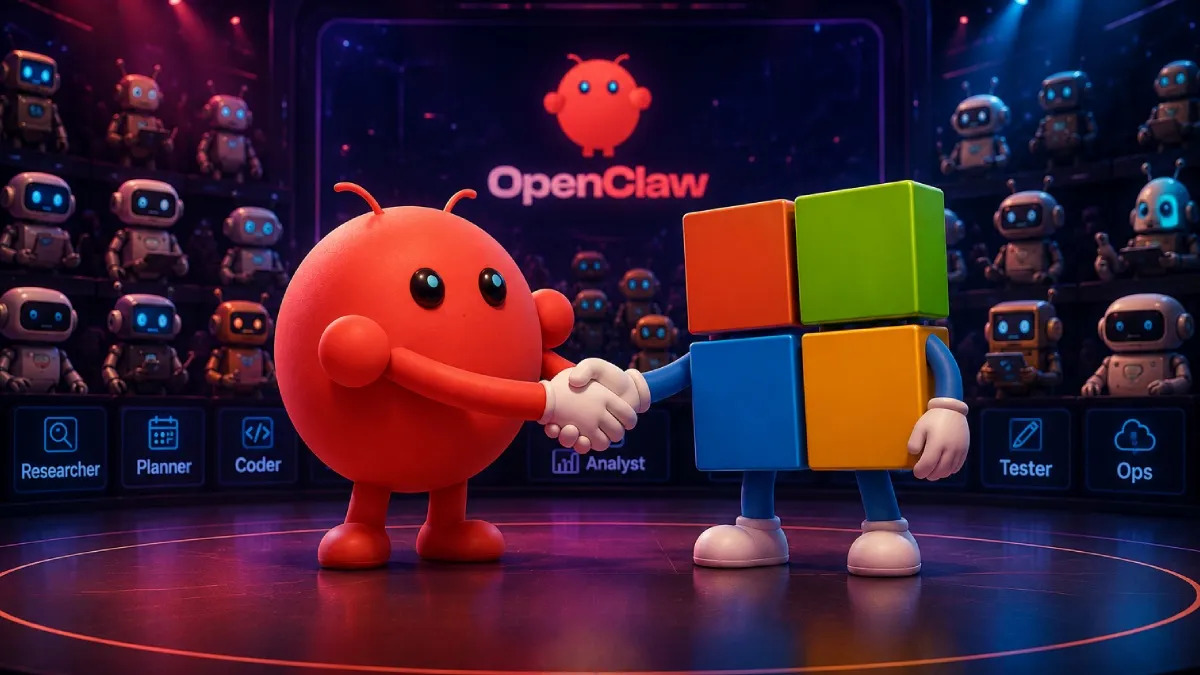
Autonomous systems represent the next structural baseline for global productivity. Microsoft recently released a comprehensive framework to build AI agent solutions from the ground up, utilizing a specialized “harness” architecture. This four-part series provides side-by-side examples in .NET and Python, allowing developers to calibrate agents that plan tasks, retain information, and execute actions with precision.
The Structural Blueprint to Build AI Agent Systems
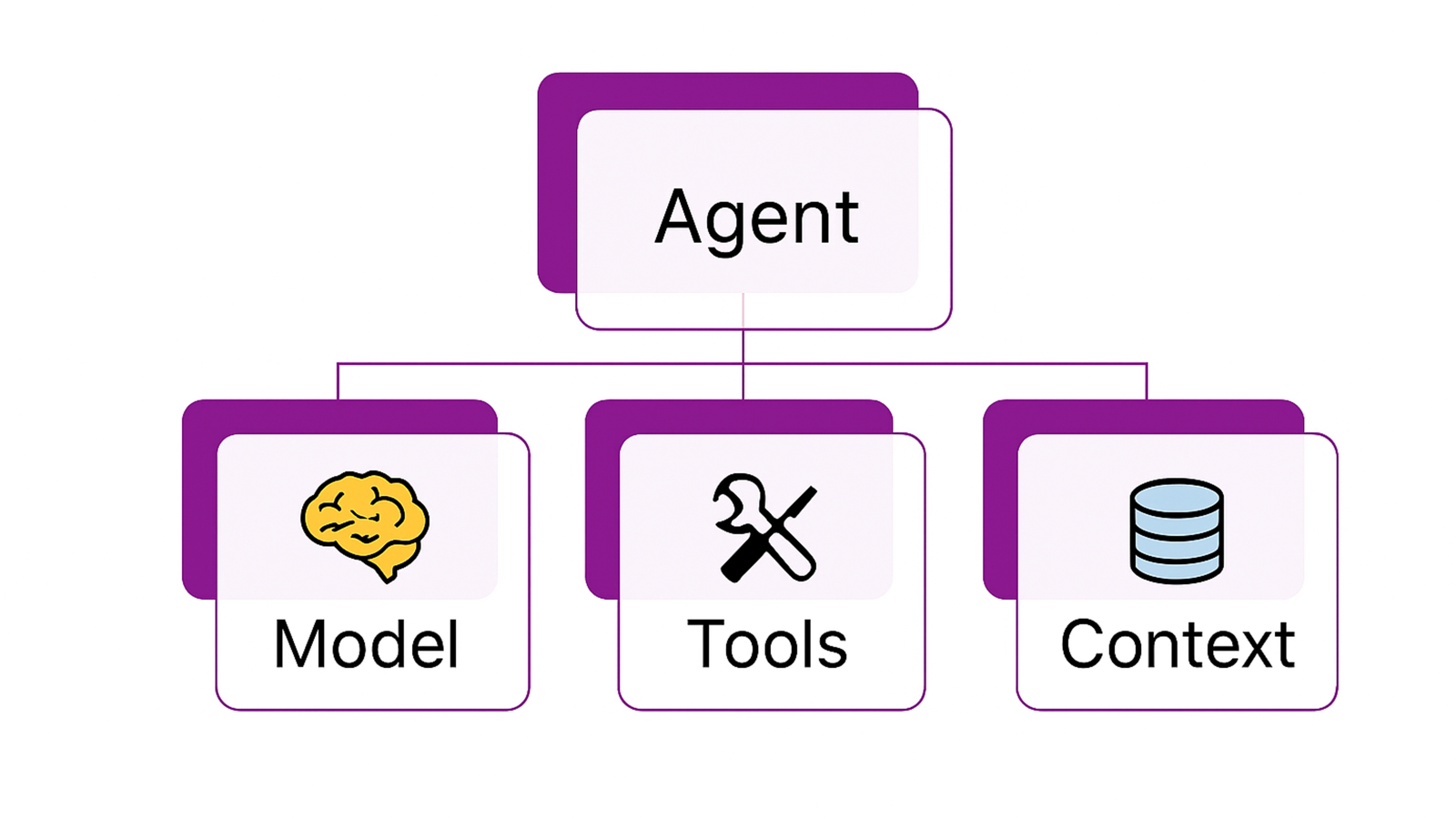
Microsoft defines the core of this system as an “agent harness.” This software loop functions as the connective tissue between a raw language model and practical operating environments. While the model provides the reasoning catalyst, the harness manages tools, planning, and memory. Consequently, the agent can request human approval before executing sensitive tasks, ensuring a safe and governed deployment.
- Task Planning: Breaking complex requests into calibrated sub-steps.
- Durable Memory: Retaining context across multiple conversations.
- Tool Integration: Connecting the model to external data sources and APIs.
- Governance: Implementing human-in-the-loop triggers for risky actions.
A Four-Phase Roadmap for Developers
The series offers a calibrated path toward production-ready autonomy. Initially, the guide focuses on a basic harness equipped with web search and task list functionality. Subsequently, the second phase introduces file access and durable memory storage. By the third phase, developers integrate background agents that execute concurrent tasks. Finally, the series concludes with enterprise-grade observability and governance through Microsoft Purview.
The Model Still Calibrates the Outcome
Although the harness expands utility, the underlying model remains the primary engine for multi-stage reasoning. Microsoft recommends utilizing high-capability models to ensure the system follows layered operating instructions accurately. Smaller models may struggle with complex tool calling or recognizing when an action requires human intervention. Therefore, selecting a current-generation model is essential for maintaining system efficiency.
The Situation Room: Strategic Analysis
The Translation
Think of the “Model” as a brilliant architect and the “Harness” as the construction crew and project manager. An architect can design a building, but they need a crew to source materials, follow safety protocols, and physically lay the bricks. By providing the “harness” code, Microsoft is giving developers the management system needed to turn theoretical AI logic into a functional, working employee.
The Socio-Economic Impact
For the Pakistani workforce, this framework lowers the barrier to entry for high-tier global software exports. Developers in Lahore, Karachi, and Islamabad can now use these reusable components to create specialized AI tools for international clients without building expensive infrastructure from zero. Specifically, this empowers local startups to build “Personal Finance Assistants” or “Supply Chain Agents” that can transform regional business efficiency.
The Forward Path
This development represents a Momentum Shift. We are moving away from simple chatbots toward autonomous “Agentic Workflows.” This standardization by Microsoft will likely become the baseline for how software is built in the next decade. Precision in mastering these harnesses today will define the competitive edge of Pakistan’s tech sector tomorrow.








