
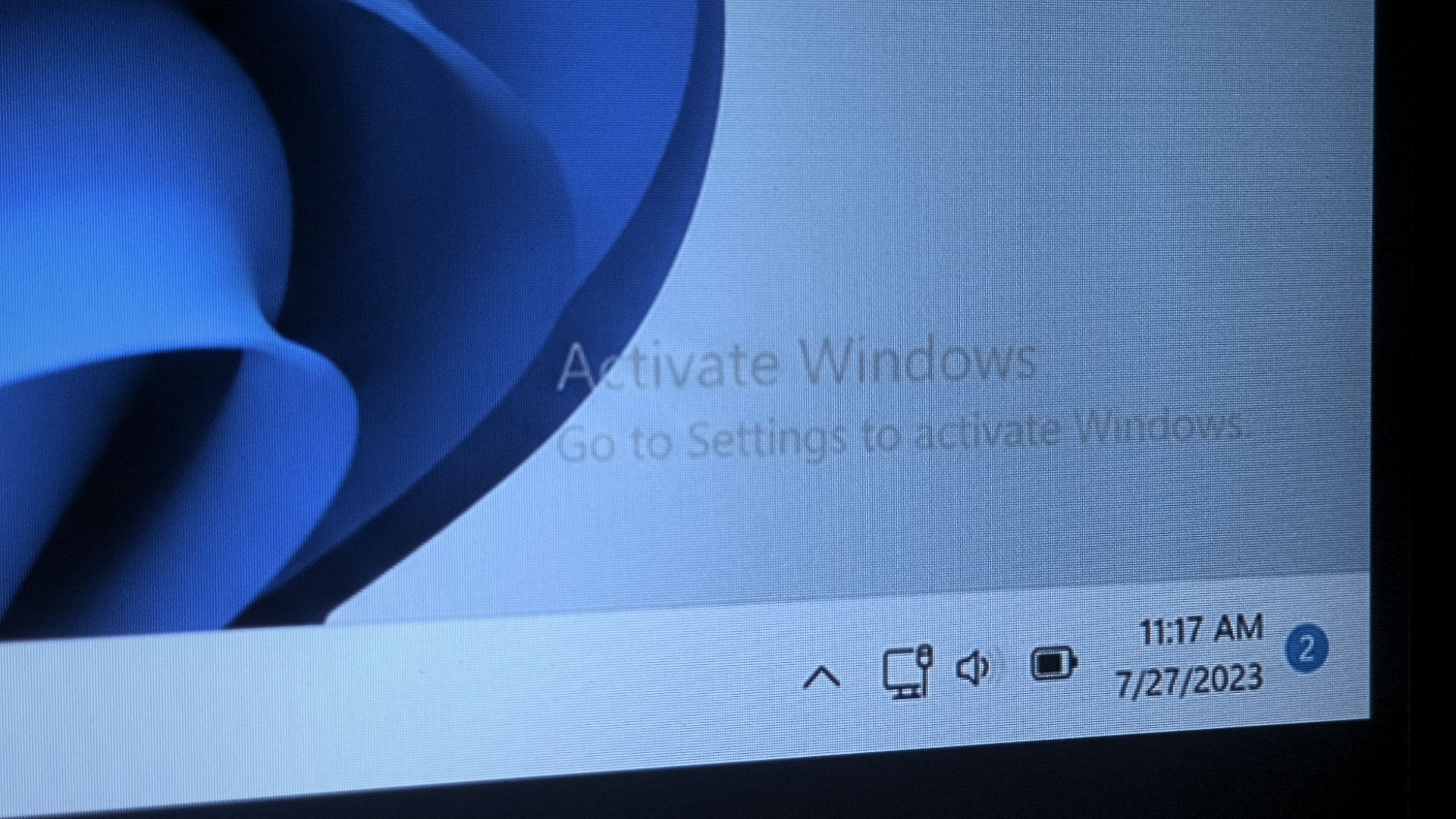
System integrity serves as the baseline for any national digital infrastructure. Consequently, Microsoft is recalibrating its ecosystem by transitioning Windows Activation Security from vulnerable software scripts to immutable hardware-based verification via Trusted Platform Module (TPM) chips. This calibrated move effectively targets the unauthorized activation servers that have historically bypassed licensing protocols.
The Structural Shift to Hardware-Based Trust
Microsoft is introducing the “KMS Hardware-Secured” framework. This system mandates that Key Management Service (KMS) hosts—the servers responsible for activating bulk licenses—must prove their legitimacy through hardware attestation. By utilizing the built-in TPM chip, Microsoft ensures that an activation server is genuine and has not been compromised by third-party modifications.
Phase One: Early Calibration and Warning
The rollout begins in August 2026. Microsoft will deploy notifications within Windows Server 2025 to alert IT administrators of their hardware readiness. Organizations must confirm that their hardware supports these specific security checks before the next Long-Term Servicing Channel (LTSC) release makes these requirements mandatory.
The Translation (Clear Context)
- KMS (Key Management Service): Think of this as a local “license distributor” for large offices. Instead of every PC calling Microsoft, they call the office server.
- TPM (Trusted Platform Module): A physical vault inside your computer. It stores cryptographic keys that software cannot easily fake or replicate.
- Hardware Attestation: Microsoft no longer “takes the software’s word for it.” It now demands a digital fingerprint from the hardware chip itself to prove the server is legal.

The Socio-Economic Impact
For the average Pakistani professional or student, this change increases the precision of digital compliance. While it targets piracy, the broader impact is a safer computing environment. Pirated activations often serve as gateways for malware; by enforcing Windows Activation Security, Microsoft is indirectly reducing the national baseline for cyber-vulnerability. However, small businesses relying on legacy hardware may face a capital expenditure challenge as they upgrade to TPM-compliant systems by 2026.

The Forward Path (Opinion)
This development represents a Momentum Shift toward a more secure global digital economy. While critics view it as a restrictive move, it is a strategic necessity for system efficiency. By anchoring trust in hardware rather than easily manipulated code, Microsoft is setting a new standard for how software ecosystems must be protected. The “Next Gen” professional should view this as an opportunity to adopt legitimate, high-performance infrastructure that prioritizes data sovereignty and security over short-term cost-cutting.








