
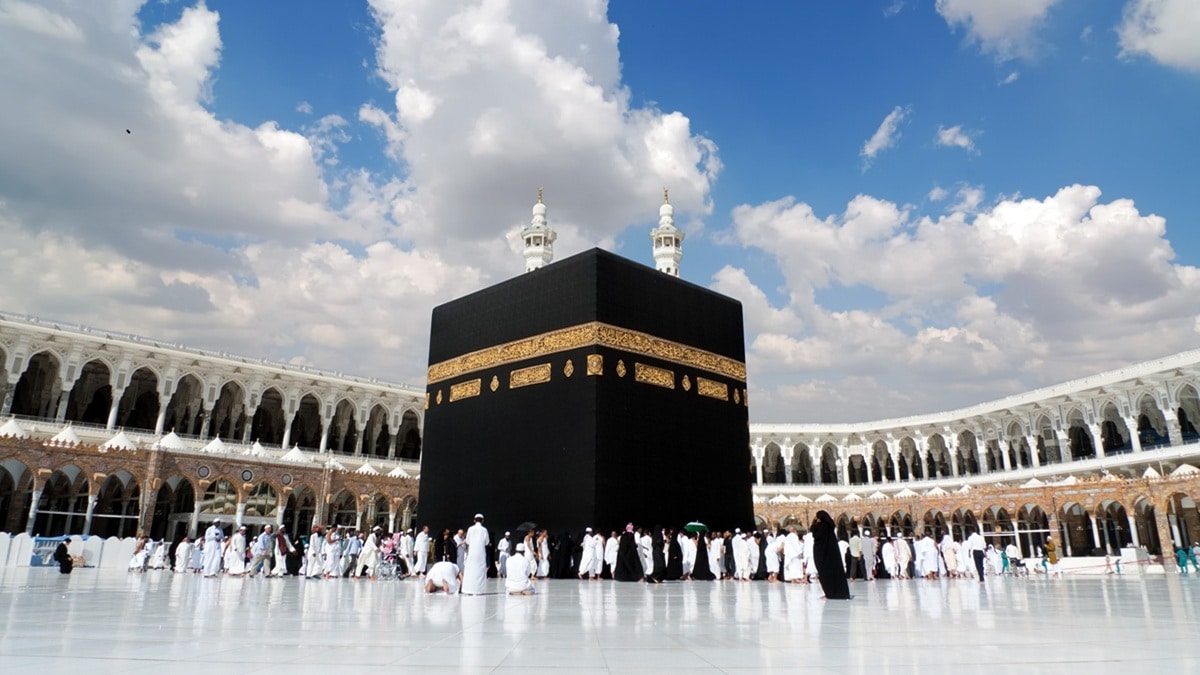
Saudi Arabia has calibrated a new logistical baseline for the pilgrimage experience by introducing mandatory Umrah food vouchers for travelers from Pakistan, India, Egypt, and Bangladesh. This systemic shift, effective from 1 Rabi ul Awwal, integrates meal costs directly into the Umrah visa fee, ensuring a standardized level of service for all attendees. Consequently, pilgrims will no longer navigate fragmented food markets, as the Nusuk digital ecosystem now centralizes these essential services.
The Digital Infrastructure of Umrah Food Vouchers
Authorities have precision-engineered the Nusuk app to serve as a unified platform for hotel bookings, transportation, and nutrition. Each pilgrim receives a unique digital code linked to their visa, which grants access to a network of approximately 10,000 participating restaurants across Makkah and Madinah. Moreover, the daily cost is fixed at approximately 20 Saudi riyals per day. This move eliminates the reliance on unregistered service providers and establishes a verifiable quality benchmark across the holy cities.
The Situation Room Analysis
The Translation
This policy represents a transition from a “laissez-faire” meal system to a regulated digital utility. By bundling food costs into the visa, Saudi Arabia is leveraging economies of scale to provide predictable dining options. The unique code system functions as a digital wallet, ensuring that the funds allocated for nutrition are utilized specifically within a vetted network of culinary providers.
The Socio-Economic Impact
For the average Pakistani household, this change necessitates a budget recalibration. While the Umrah food vouchers add a mandatory daily expense of roughly 20 SAR, they protect pilgrims from price surges and hygiene risks associated with unverified vendors. Students and elderly professionals will benefit from the “single-window” convenience of the Nusuk app, though travel agents must now adjust their package price points to reflect these integrated charges.
The Forward Path
This development constitutes a Momentum Shift. It signals a move toward a fully automated, transparent pilgrimage economy. While the immediate cost increase may challenge some budget travelers, the long-term gains in system efficiency and pilgrim safety represent a significant upgrade in the infrastructure of the Umrah experience.








