
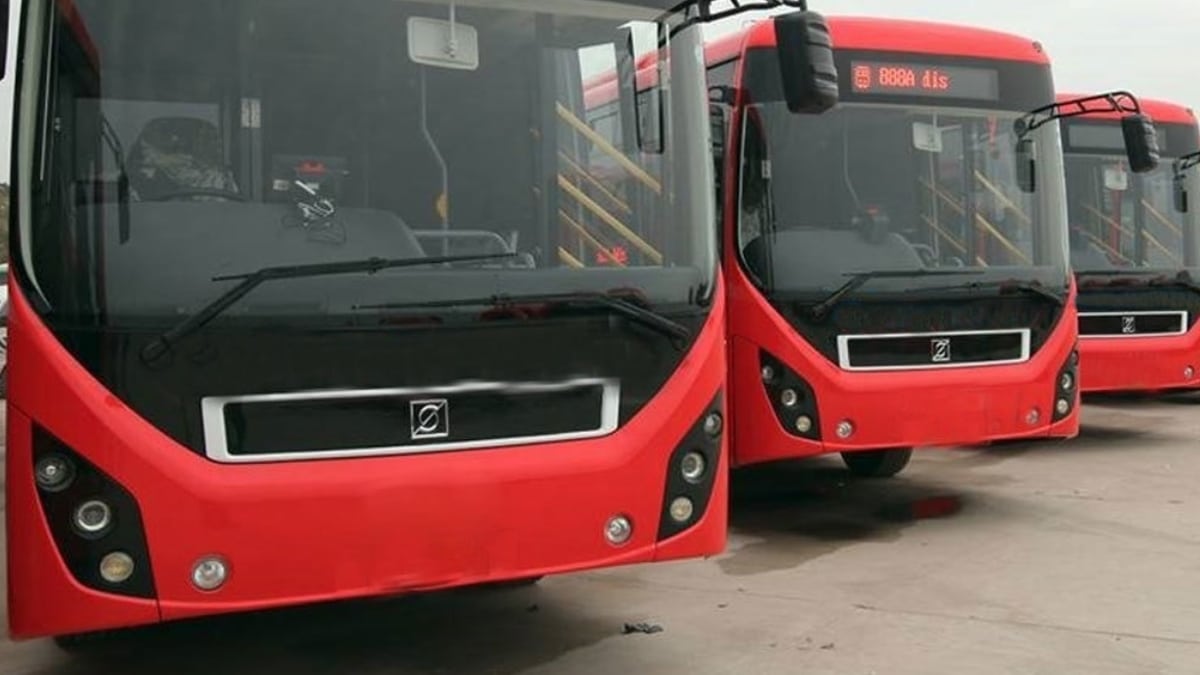
Precision-engineered infrastructure requires standardized safety protocols to protect the public. However, the recent Karachi BRT lawsuit involving a Rs. 178.07 million compensation claim exposes a catastrophic failure in project site management. Syed Waqas, an overseas Pakistani, filed the suit against the Sindh government and BRT Red Line authorities after losing an eye in a preventable collision. Consequently, this legal action challenges the baseline safety standards currently calibrated for major urban developments in Karachi.
Structural Failures on University Road
The plaintiff alleges that the BRT Red Line contractor failed to implement mandatory safety measures. While traveling to the Karachi airport in May 2025, Waqas’s vehicle collided with a construction barrier. The lawsuit asserts that these barriers lacked reflective markings and warning signs, making them effectively invisible at night. Therefore, the negligence of the authorities directly resulted in multiple facial fractures and the permanent loss of the plaintiff’s eye.

The Situation Room: Analysis
The Translation
In the context of modern civil engineering, “negligence” denotes a failure to adhere to the calibrated safety baseline. The Karachi BRT lawsuit highlights that the contractor ignored standardized protocols for road hazard illumination. In high-velocity urban corridors, an unlit barrier is not merely an obstacle; it is a structural hazard. This case seeks to bridge the gap between technical safety manuals and actual site execution.
01917-8/asset/c7917572-8a54-49ca-8826-8503546b818d/main.assets/gr2_lrg.jpg)
The Socio-Economic Impact
For the average Pakistani citizen, this development signals a shift toward institutional accountability. When infrastructure projects prioritize speed over safety, the economic burden shifts to households. The loss of income and permanent disability for a professional destabilizes the family unit. Furthermore, these safety gaps deter overseas Pakistanis from investing their human capital back into the country, creating a secondary economic drain.
The Forward Path
This development represents a Momentum Shift in Pakistan’s legal landscape. By seeking significant financial damages, the plaintiff forces a recalibration of how contractors value human life versus project timelines. For Karachi to achieve true systemic efficiency, the legal system must penalize negligence as a catalyst for future compliance. We view this as a necessary step toward a disciplined urban development framework.
Legal Demands and Next Steps
- Compensation: Rs. 178.07 million for medical expenses and loss of income.
- Accountability: Joint liability for the Sindh government, BRT administration, and the contractor.
- Precedent: Establishing a legal baseline for road safety during construction phases.









