
The Strategic Blueprint for Plastic-Free Markets
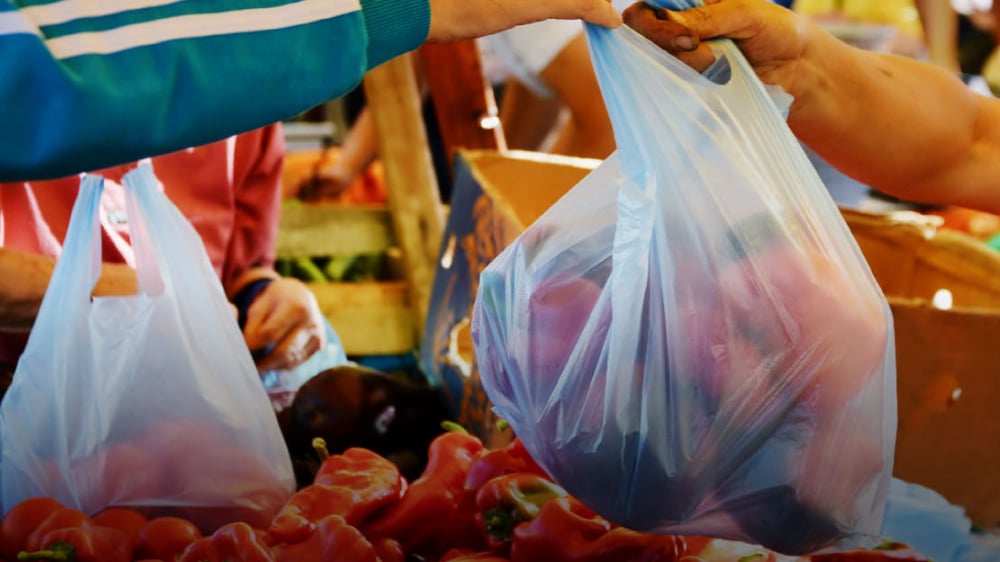
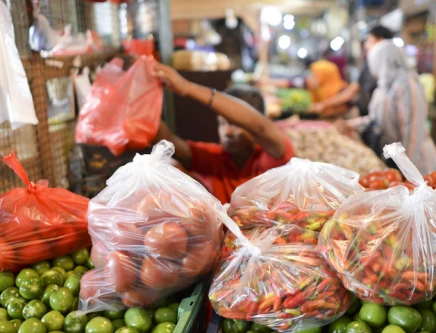
The structural integrity of Lahore’s urban environment requires a precision-led shift toward sustainable materials. Consequently, the Punjab government has initiated a calibrated transition toward establishing plastic-free markets to eliminate non-biodegradable waste systematically. This baseline environmental strategy aims to replace hazardous shopping bags with sustainable alternatives across the city’s primary commercial zones. By enforcing a zero-tolerance policy, authorities are addressing the long-standing issue of urban pollution at its source.
The Translation: Technical Parameters of the Ban
While the term “plastic ban” is often used broadly, the current government enforcement focuses on specific technical thresholds. Authorities are strictly prohibiting shopping bags with a thickness below 75 microns. Thinner bags are nearly impossible to recycle and serve as the primary catalyst for sewage blockages and soil degradation. By targeting these specific dimensions, the Environment Department ensures that only durable, reusable, or properly recyclable materials remain in circulation. Recent operations have already yielded significant results:
- Provincial Seizures: Over 400,000 kilograms of banned plastic materials recovered across Punjab.
- Lahore Precision Strike: More than 100,000 kilograms confiscated within the provincial capital alone.
- Operational Efficiency: A single-day operation in Mochi Gate successfully removed 1,000 kilograms of non-compliant bags from the supply chain.

The Socio-Economic Impact: Protecting the Citizenry
Establishing plastic-free markets directly enhances the quality of life for the average Pakistani citizen. Reduced plastic waste leads to fewer drainage failures, which historically cause urban flooding and significant property damage during monsoon seasons. Furthermore, this policy encourages the growth of a local “Green Economy.” Small-scale manufacturers of cloth and paper bags now have a strategic opportunity to fill the market void. For the household, this shift means a cleaner living environment and a reduction in microplastic exposure, ultimately lowering long-term public health costs.
The Forward Path: A Momentum Shift
In our expert assessment, the transition toward plastic-free markets represents a significant “Momentum Shift” for Pakistan’s environmental governance. This is not merely a temporary crackdown but a structural realignment of how commerce interacts with ecology. To maintain this progress, the government must pair enforcement with incentives for traders to adopt biodegradable packaging. If the Ichhra Market model proves successful, it will serve as the precision baseline for every major commercial district across the nation. We view this as a vital step toward modernizing Pakistan’s urban infrastructure and ensuring long-term system efficiency.








