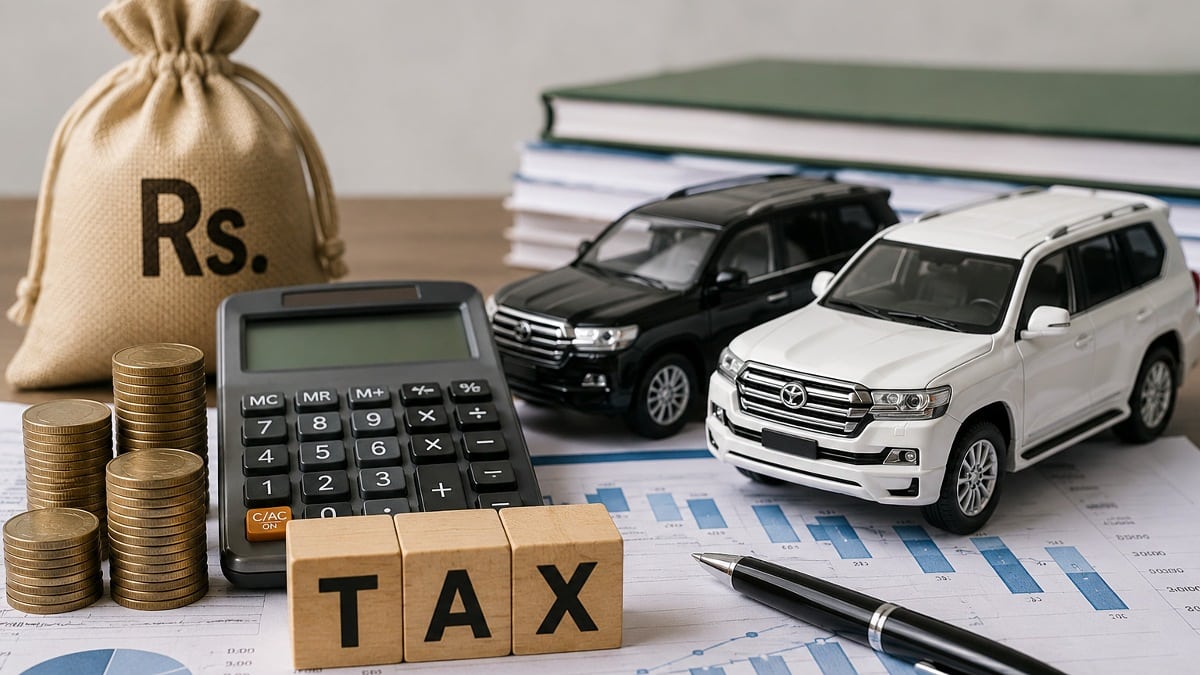
Fiscal infrastructure requires constant calibration to maintain systemic balance and national progress. The federal government recently proposed a new luxury vehicle tax framework as part of the FY2026-27 budget strategy. This precision-driven move targets imported SUVs with engine capacities exceeding 2000cc and premium electric vehicles valued over Rs. 20 million. Consequently, the cost of high-end mobility will escalate significantly starting next month as the government seeks a fairer distribution of the economic burden.
The Structural Mechanics of the Luxury Vehicle Tax
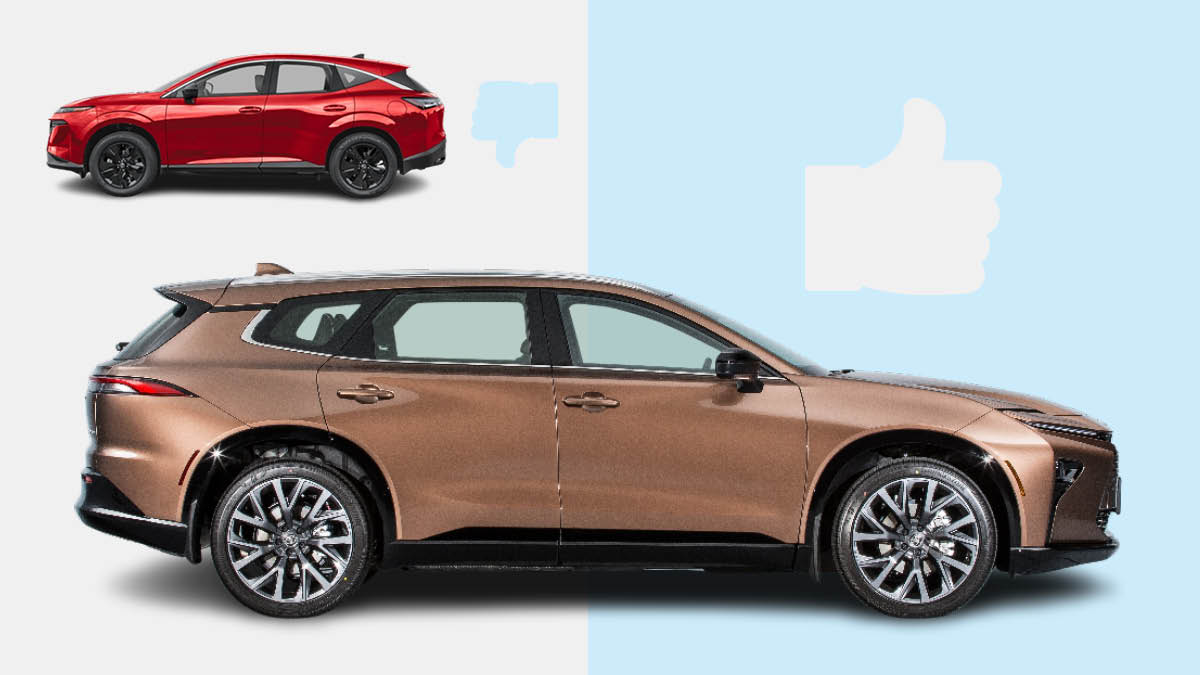
Structural adjustments in federal excise duty (FED) will primarily impact the upper-tier automotive segment. Specifically, the government will impose these duties on imported cars and SUVs with engine capacities between 2000cc and 3000cc. Furthermore, the budget proposes even steeper duty increases for vehicles exceeding the 3000cc threshold. This strategy ensures that those with the highest purchasing power contribute proportionately more to the national treasury.
Protecting the Green Mobility Baseline
While the luxury vehicle tax recalibrates the high-end market, the government remains committed to sustainable transport for the masses. The budget retains existing incentives for electric motorcycles, rickshaws, and buses for another fiscal year. Additionally, a 1 percent sales tax facility will now extend to imported electric trucks. These measures prevent tax incentives intended for mass-market mobility from being absorbed by buyers of ultra-expensive luxury assets.
The Situation Room Analysis
The Translation: Technical Clarity
- Federal Excise Duty (FED): This is a surgical tax on specific goods to discourage excessive consumption of luxury items while generating essential state revenue.
- Concessional Tax Regime: A series of financial ‘discounts’ on taxes designed to keep essential green technology, like entry-level EVs, affordable for Pakistani citizens.
The Socio-Economic Impact
This policy creates a distinct divide between luxury consumption and essential utility. For the average Pakistani professional or student, the stability of incentives for electric bikes and buses is a catalyst for affordable commuting. Conversely, the increased luxury vehicle tax on high-capacity SUVs may lead to a cooling effect in the premium imported car market. Ultimately, this protects foreign exchange reserves while promoting a more localized, sustainable automotive ecosystem.

The Forward Path: Expert Opinion
We categorize this development as a Stabilization Move. By decoupling luxury imports from green mobility incentives, the government is executing a calibrated defensive maneuver. This ensures that the transition to electric vehicles remains focused on efficiency and national energy security rather than subsidizing wealth. It is a necessary structural correction for Pakistan’s evolving economic landscape.