
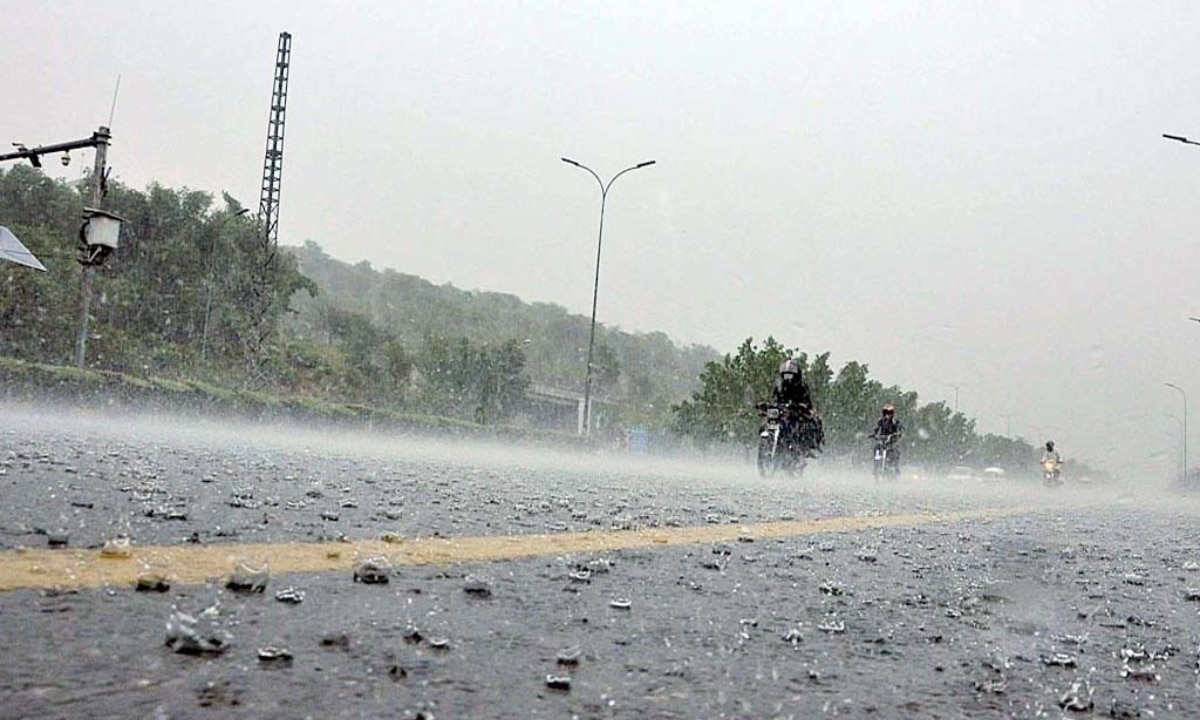
The Pakistan Meteorological Department (PMD) has calibrated its latest monsoon rainfall forecast, signaling a precision alert for several provinces. Strong monsoon currents from the Arabian Sea are currently saturating the upper and central regions of the country. Consequently, these weather patterns will intensify over the weekend, creating a high-moisture baseline for significant precipitation.
Structural Weather Patterns and Regional Impact
A western disturbance will serve as a catalyst when it reaches the upper regions on Monday. This atmospheric shift will trigger a prolonged spell of rain, windstorms, and thunderstorms across the national landscape. Specifically, Kashmir and Gilgit-Baltistan face a high-density rainfall window from July 18 to July 25.
- Khyber Pakhtunkhwa: Expect heavy thundershowers from July 19 to July 23.
- Punjab & Islamabad: Regional data indicates heavy rain and windstorms through July 23.
- Balochistan: North and northeastern districts will see activity starting the night of July 19.
- Sindh: While mostly humid, isolated rain remains a strategic possibility for southern districts.

Mitigating Infrastructure and Urban Risks
The current monsoon rainfall forecast highlights critical vulnerabilities in urban infrastructure. Windstorms and lightning may damage weak structural elements, including solar panels, electric poles, and commercial billboards. Furthermore, flash flooding remains a high-probability threat for local streams in Kashmir and Islamabad.
Identifying Urban Flooding Zones
Major urban hubs including Lahore, Peshawar, Faisalabad, and Rawalpindi must prepare for potential urban flooding. These systemic disruptions often paralyze transit networks. Consequently, the Met Office advises travelers to exercise extreme caution and avoid non-essential movement during this wet spell.
The Situation Room: Analysis
The Translation (Clear Context)
The convergence of “monsoon currents” (warm, moist air) and “western disturbances” (cool, low-pressure systems) creates a volatile atmospheric mix. This interaction forces moist air to rise rapidly, resulting in heavy, localized “downpours” rather than steady, gentle rain. Understanding this dynamic is key to anticipating the sudden intensity of these storms.
The Socio-Economic Impact
This weather event directly impacts the daily lives of Pakistanis through energy and economy. For urban households, the risk to solar panels represents a potential loss of renewable energy investment. For the agricultural sector, farmers must adjust irrigation and livestock safety immediately to prevent resource depletion. In rural areas, landslide risks in Murree and Galliyat could sever supply chains, impacting local market prices.
The Forward Path (Opinion)
This development represents a Stabilization Move. While the rainfall is necessary for reservoir replenishment, the primary focus is on maintaining current infrastructure against predictable seasonal stressors. Pakistan must move toward “Sponge City” architectural designs to convert these urban flooding threats into water-harvesting opportunities.








